Child Protection, National Security Lead Proposed AI Laws from Andreesen Horowitz
President Donald Trump signed an executive order last week pressuring states to drop efforts to regulate AI on their own.
Sign up for smart news, insights, and analysis on the biggest financial stories of the day.
Artificial intelligence, for better or for worse, is going to rapidly transform the world and the global economy in the next few years.
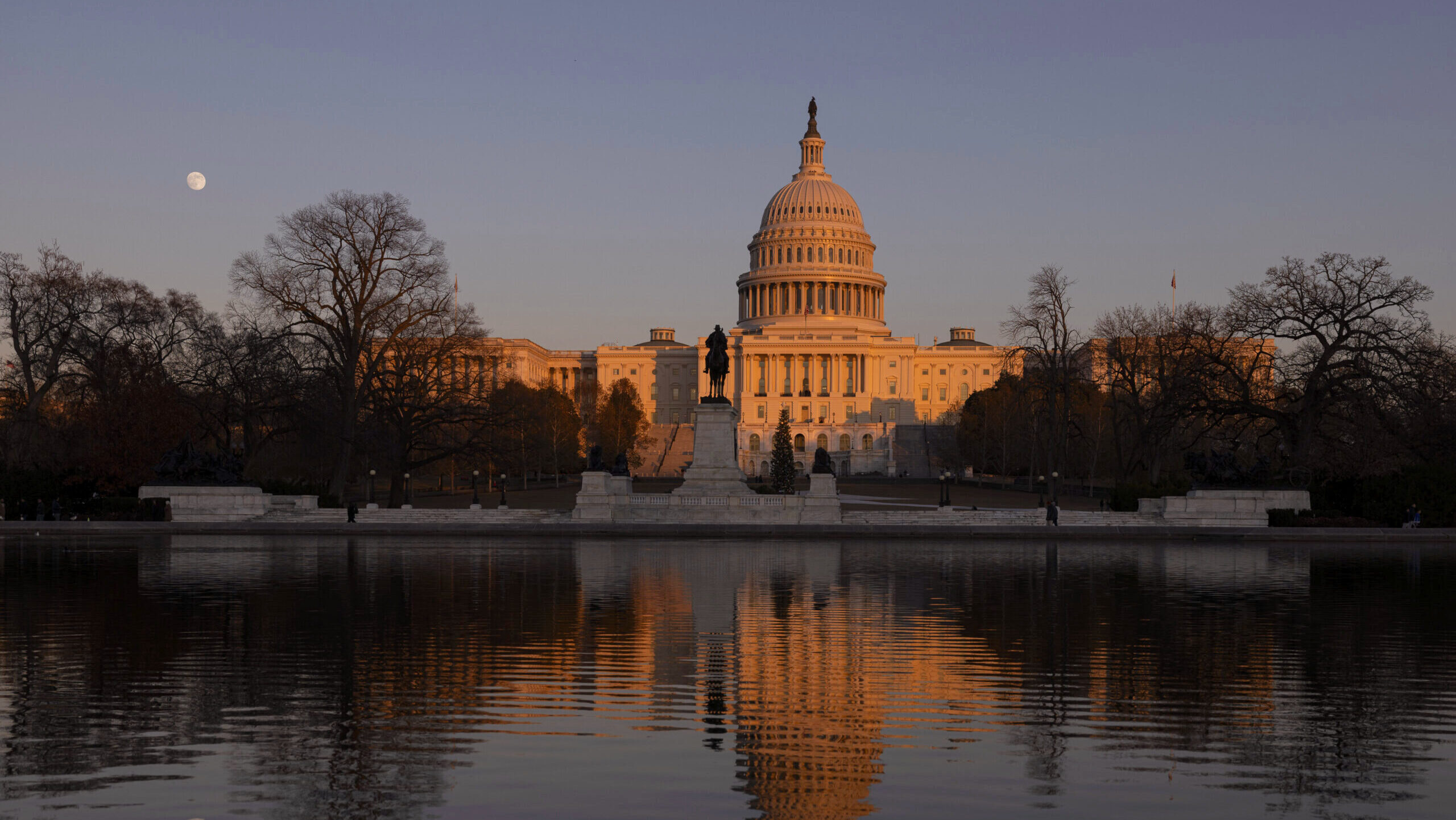
How the world’s AI superpower, the United States, should regulate the technology, given the balance of risks and intense competition from emergent China, is a hotter topic in Washington than whether the ghost of Ulysses S. Grant really does haunt the Willard Hotel. Andreessen Horowitz, Silicon Valley’s most prestigious venture capital firm, offered lawmakers a handful of ideas on Wednesday.
States of the Nation
President Donald Trump signed an executive order last week pressuring states to drop efforts to regulate AI on their own. The order threatens to withhold federal funding from states that don’t comply and directs the attorney general to sue to overturn any state legislation that threatens America’s “global AI dominance.” Trump prefers a single federal regulatory framework, which his administration argues will avoid a patchwork of laws and preserve America’s competitive edge against China.
That strategy, however, has faced pushback from both sides of the aisle. Nearly 300 state lawmakers from across the country signed a letter penned by South Carolina Republican state Representative Brandon Guffey opposing efforts to curtail state AI laws. Florida’s Republican Governor Ron DeSantis said he plans to move ahead with proposed consumer AI protections in his state, telling a Florida State University roundtable, “We have a right to do this.” California Governor Gavin Newsom, a Democrat, signed a law in September that will compel developers of highly advanced AI models to issue transparency and safety reports.
That tension is what made the “roadmap for federal AI legislation” put forward by Andreessen Horowitz on Wednesday notable. The VC has arguably more insight into Silicon Valley thinking than any other firm and counts tech-friendly Democrats and Republicans as allies. Unsurprisingly, it’s calling for investment galore in AI infrastructure, talent and research, but it also contains other suggestions that may gain traction:
- Three key safety proposals include protecting children (barring kids under 13 from AI without parental go-ahead and introducing limits for teens), ensuring criminal law is extended to things done with AI (“if a person uses an AI system to commit fraud, they have still committed fraud”), and national security (launching a federal office that studies AI security capabilities and changing regulations to allow the financial system to bolster its AI defenses with new technologies).
- Notably, Andreessen Horowitz breaks with the idea of exclusive national oversight, writing that “states should have the ability to enforce their own criminal and civil laws to prohibit harmful uses of AI in areas like consumer protection, civil rights, children’s safety and mental health.”
Soft Focus: Industry concerns about over-regulation have already resonated at the state level, however. In Colorado, where AI regulation due to be implemented next year has drawn Trump’s ire, Democratic Governor Jared Polis has convened a working group to propose softening its more onerous terms. Newsom has also rejected stricter AI legislation over innovation concerns, and New York Governor Kathy Hochul has urged lawmakers to soften a bill recently sent to her desk.
Recent News





-

Photo illustration by Connor Lin / The Daily Upside