Amazon-Perplexity Lawsuit Heralds Start of Shop-Bot Wars
This week, Amazeon scored a court order against Perplexity to ban, for now, the AI startup’s agents from shopping on its e-commerce platform.
Sign up for smart news, insights, and analysis on the biggest financial stories of the day.

Amazon’s message for agentic shopping agents is the same one the proprietor of the space jazz cantina on Mos Eisley had for R2-D2 and C-3PO in the original Star Wars: We don’t serve your kind here.
This week, the tech giant scored a court order against Perplexity that, for now, bans its agents from shopping the e-commerce site on users’ behalf. Consider it the first shot across the bow in a massive war over where and how AI agents can traverse the web.
Secret Agents
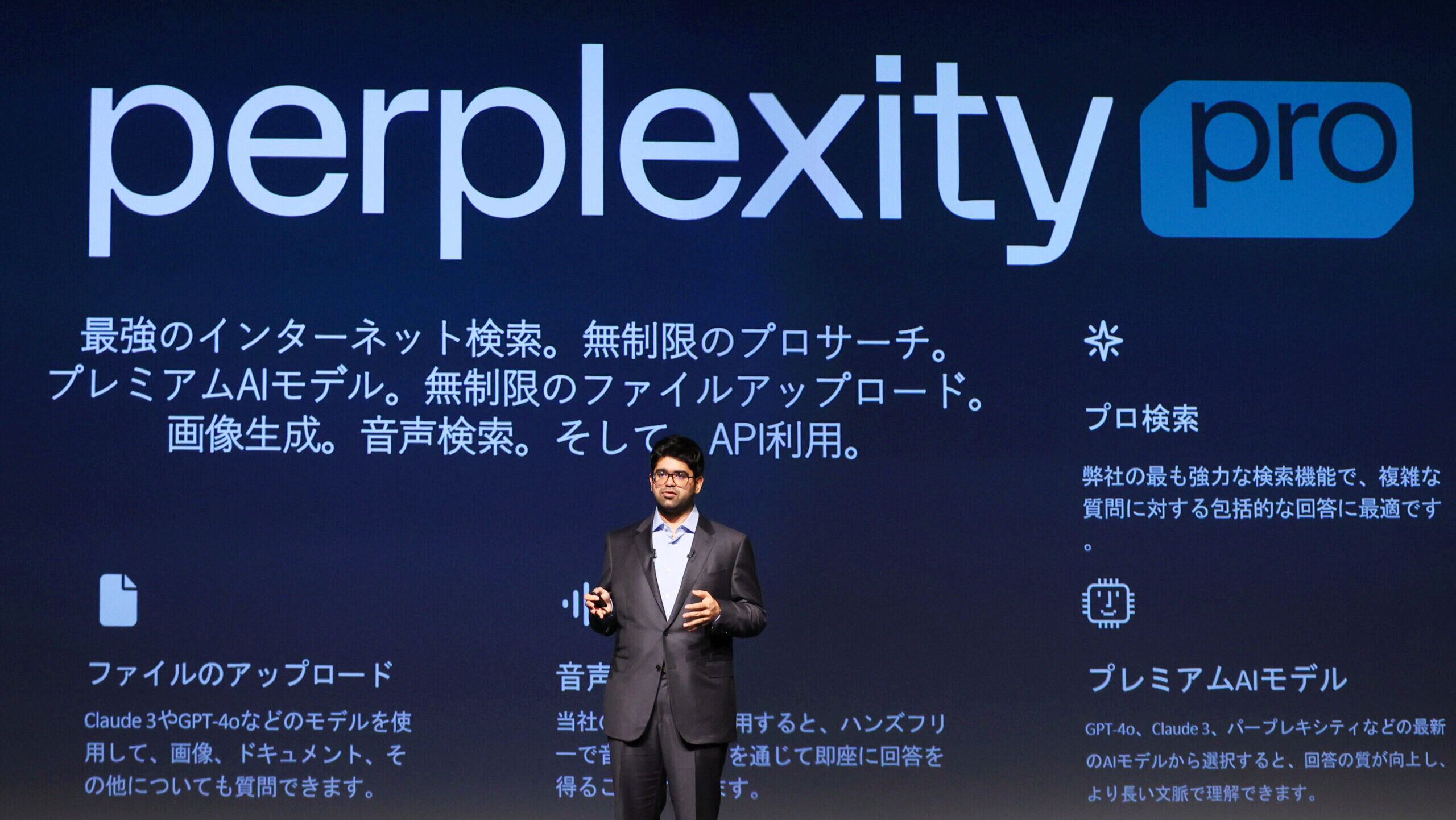
Amazon kicked off its legal fight against Perplexity in November, and the battle lines are pretty clear. Perplexity, via its Comet browser, is allowing users to dispatch agents to Amazon to shop for them. The agents, however, are not disclosing themselves as AI bots when accessing the platform, appearing like any other user of the body-and-soul variety. Amazon says this violates its terms of service and constitutes computer fraud. In other words, Amazon says platform authorization trumps user consent.
The implications, however, stretch far beyond a typical ToS technicality:
- For starters, the prospect of constantly shopping commerce agents (flagged by the infamous Citrini doomsday report as perhaps the most likely point of mass AI adoption) blows a hole through the $700 billion digital ad market. In 2025, Amazon scored some $68 billion in advertising sales, a business very much predicated on humans who can be persuaded by listing placements; empty-hearted robots, on the other hand, ruthlessly search for the best deals and couldn’t care less about which brands pay for top search placement, all while wrecking Amazon’s valuable ability to collect data on user behavior.
- Meanwhile, the promise of autonomous agents becomes a lot less appealing if platforms can bar them from entry. What’s more, AI and law experts tell The Daily Upside that platforms like Amazon could allow agents in, then introduce dynamic pricing tools to counteract AI-powered deal-hunting; platforms could also ban third-party agents altogether and require users to employ first-party bots.
Framework-in-Progress: While the lawsuit is ongoing, Amazon’s success in scoring a preliminary injunction against Perplexity is a sign that its argument has strong legal grounding, legal experts said. The case’s outcome could offer a framework for agentic AI law moving forward, though it might unfurl in several different ways. Jessica Eaves Mathews, an attorney experienced in AI law and the founder of Leverage Legal Group, told The Daily Upside that results might range from a US Supreme Court ruling to a settlement with a negotiated licensing deal, dubbing it agentic AI’s “Napster moment.” In the meantime, Google this year began recruiting commerce players such as Shopify, Etsy and Wayfair to its so-called “Universal Commerce Protocol” for agentic AI in a bid to define an industry-wide framework. That is, until lawmakers come up with one of their own and then take 15 years to set it up.
Recent News



-
Apple’s Product Revamp Shows Fruit of AI Comeback Strategy

Photo via Bob Henry/UCG/Universal Images Group/Newscom
-

Photo via Florian Gaertner/IMAGO/BMF/Newscom