Uber Revs Up Rivian Robotaxis with $1.25 Billion Agreement
In addition to its Rivian deal, Uber has a $300 million partnership with EV-maker Lucid for at least 20,000 robotaxis.

Sign up for smart news, insights, and analysis on the biggest financial stories of the day.

Apparently, the “quiet preferred” option isn’t enough for less chatty Uber riders. Uber said Thursday it’ll spend at least $300 million adding Rivian’s robotaxis to its fleet, with the potential to invest up to $1.25 billion.
Uber plans to add 10,000 Rivian R2 robotaxis to its fleet, revving up to as many as 50,000 by 2031. The Rivian-Uber team-up will hit the road in 2028, starting in San Francisco and Miami, with plans to expand to 25 cities globally.
While providing the unprofitable EV-maker with some cash, the deal helps Uber secure its future in a self-driving world.
The Great Robotaxi Race
Alphabet-owned Waymo has been coasting down an open road in autonomous ridesharing. But traffic’s up ahead, with Amazon, Tesla, and others starting robotaxi services. Uber doesn’t want to get left in the dust.
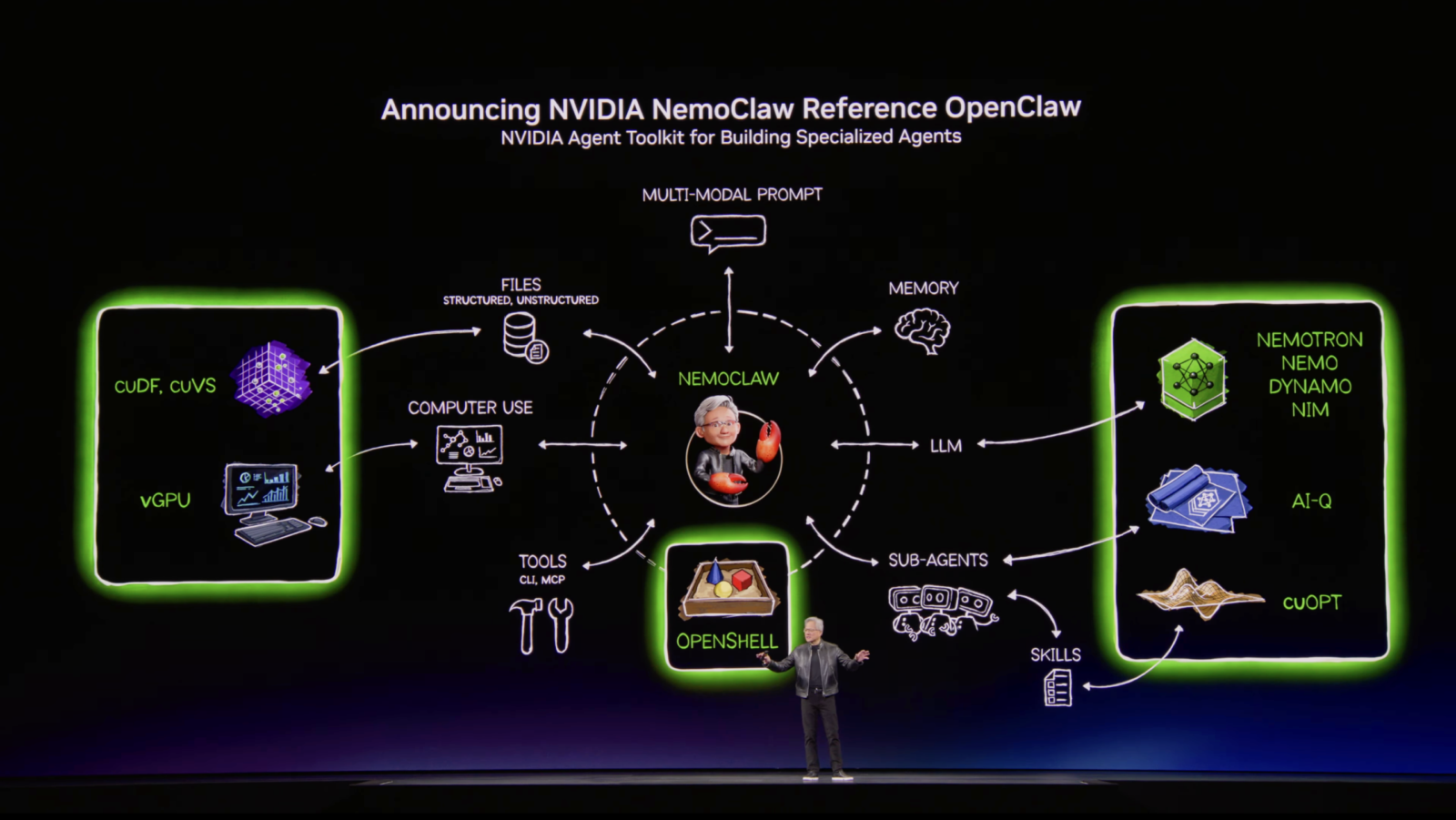
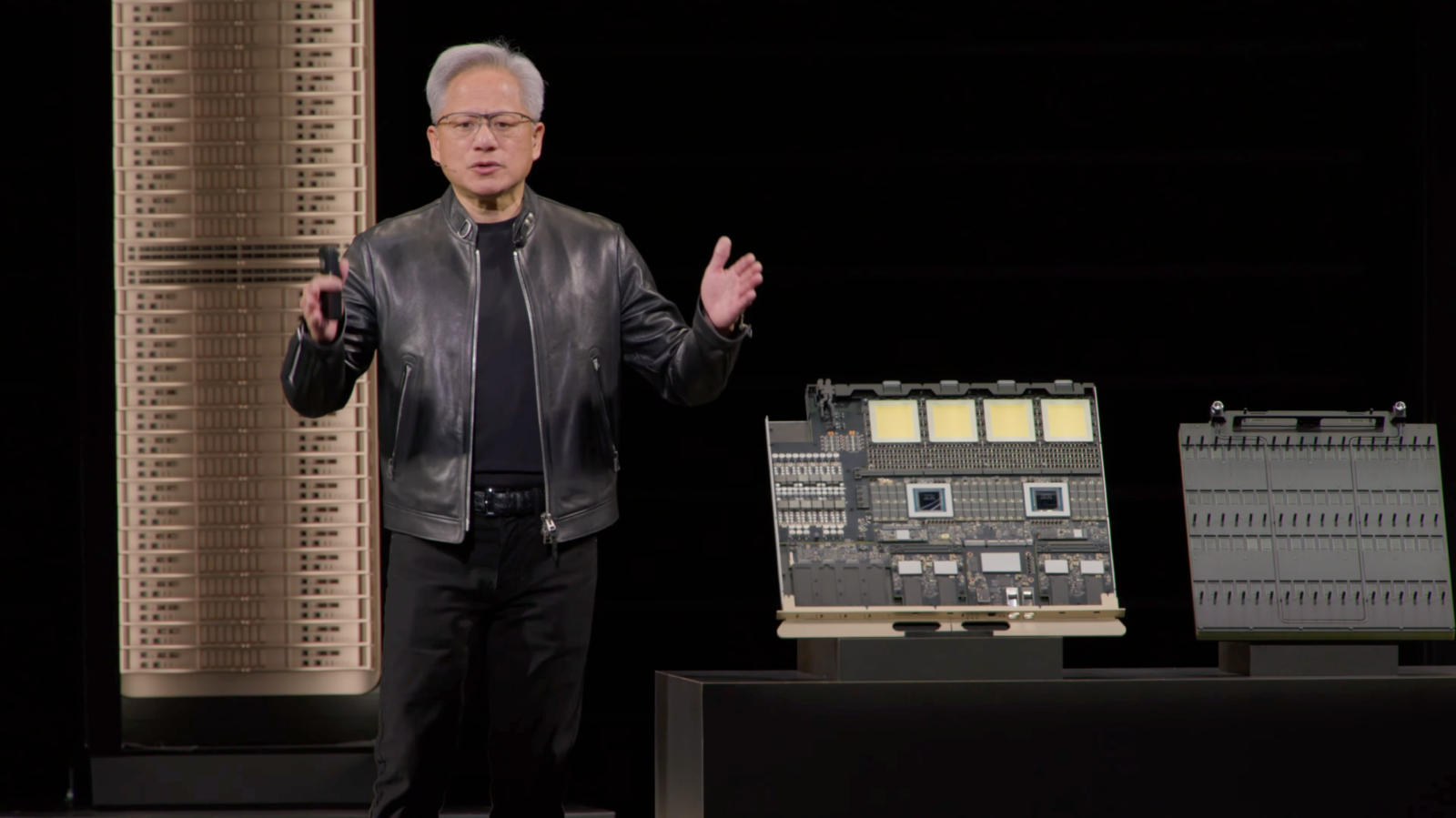
In addition to its Rivian deal, Uber has a $300 million partnership with EV-maker Lucid for at least 20,000 robotaxis, and Nvidia said Monday it’ll work with Uber and Lyft to get their robotaxis on the road. Uber’s push, however, could turn its old robotaxi friends into foes:
- Uber has partnerships with Waymo and other services, such as WeRide and Avride, that let riders book autonomous vehicles in the Uber app in select cities. Amazon said this month that its Zoox service will soon have a similar tie-up with Uber.
- For now, these partnerships help Uber keep robo-riders within its app. But once Uber beefs up its own autonomous armada, keeping competitors in the app could cannibalize Uber’s own robo-business.
Hands off the Wheel: Uber’s so dominant in the US rideshare market that the practice is literally called “Ubering,” not “ridesharing” and definitely not “Lyfting.” While Waymo and other autonomous rideshare services aren’t even a blip in Uber’s rearview mirror yet in terms of market share, they present a growing existential threat to Uber’s core business and, for the first time in years, competition. Uber wants to leverage its dominant position on people’s phones to beat robotaxi rivals to the road, but building an autonomous fleet won’t come cheap or fast.
Recent News
-

Photo illustration by Connor Lin / The Daily Upside