‘Bigger Than Bigger’ iPhone 17 Sales Drive Apple Revenue to Record High
Analysts think customers bought new iPhones for a boring reason: It was simply time to upgrade their old device.
Sign up for smart news, insights, and analysis on the biggest financial stories of the day.

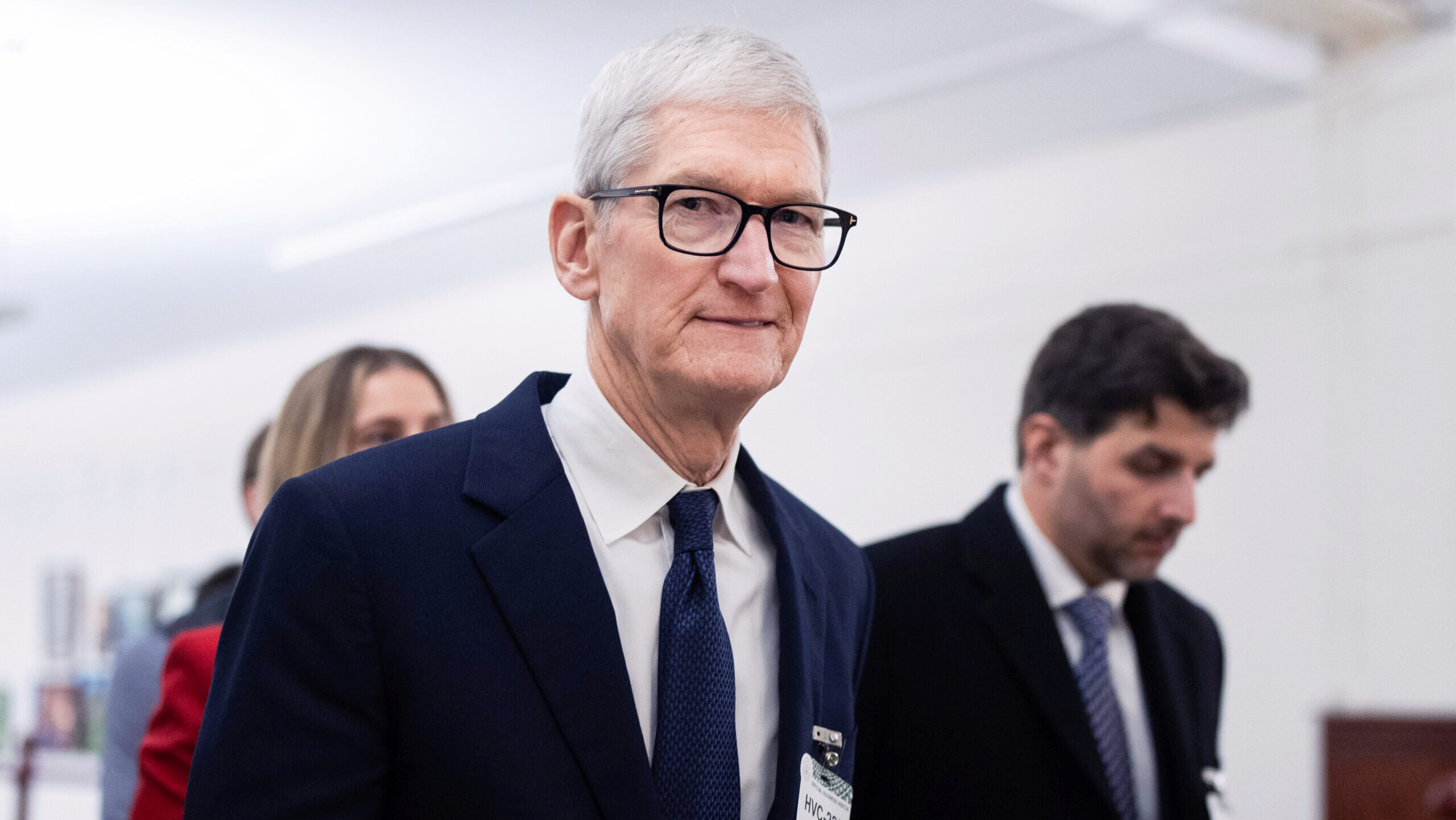
Tim Cook took out his crossbow and shot an apple off the collective head of the company’s skeptics. In October, the Apple CEO set the bar high, saying that the December quarter’s revenue would be the “best-ever for the company and the best ever for iPhone.” Welp, it was. On Thursday, Apple said it notched record revenue and record iPhone sales.
Revenue rose 16%, beating expectations, with sales in China climbing 38% as Apple gains more market share from local rivals.
It’s About Time
Analysts think customers bought new iPhones for a boring reason: It was simply time to upgrade their old devices. The iPhone 17 came along right as people who last bought new iPhones during the pandemic started to notice their batteries dwindling and their screens accumulating one too many scratches. AI features may have helped to convince some shoppers it was time to upgrade, but for others, a smarter Siri was likely just a cherry on top.
Now, Apple’s feeling the pressure to make AI a bigger focal point and catch up to its Magnificent 7 peers:
- The AI-upgraded Siri that Apple launched after a delay isn’t considered on par with rivals like ChatGPT — and Apple has actually struck a deal with OpenAI to pass some more difficult queries to ChatGPT. Additionally, Apple announced last week that it has partnered with Google to power its AI and plans to launch a smarter Siri this year. Bloomberg reports that Siri will get two updates, and the second will be a product much closer to ChatGPT.
- Yesterday, Apple made what the Financial Times reports is one of its largest-ever acquisitions, buying Q.AI for nearly $2 billion. The startup’s tech, which is patented for use in headphones and glasses, analyzes and interprets facial expressions as “silent speech.” Apple’s buy could help it get ahead of competitors in the AI wearables space and set it apart from products like Meta’s Ray-Ban glasses.
Powered Up: Apple has to take a big bite out of 2026 to meet the expectations of investors, who want AI to be a driving force in tech sales. But with strong iPhone 17 revenue, it has more money to play with. That could mean more acquisitions: Cook said in July that Apple’s “very open to M&A that accelerates our roadmap.” Products like Apple’s new foldable phone, due this year, could also buoy sales, especially in China, where foldables from Huawei and Honor have proven popular. But looking further out, Apple is facing a global memory shortage, driven by competing demand from AI data centers, which could impact its tech supply chain.
Recent News
-
Will MANGO Inherit Magnificent 7’s Market Dominance?

Photo illustration by Connor Lin / The Daily Upside
-

Photo via Bob Henry/UCG/Universal Images Group/Newscom




-

Photo via Florian Gaertner/IMAGO/BMF/Newscom