Meta, Microsoft Confront AI Spending Concerns Head-On
Both companies announced capex projections that blew past consensus expectations, but only Meta seemed to rebuff the Wall Street wariness.
Sign up for smart news, insights, and analysis on the biggest financial stories of the day.

Yesterday was a tale of two hyperscalers.
Both Meta and Microsoft held after-the-bell earnings calls (for Meta’s fourth quarter and Microsoft’s second). Both have faced recent shareholder skepticism about the scale of investment in AI-powered data centers and their seemingly far-off returns. Both companies announced capex projections that blew past consensus expectations. And yet only one firm, Meta, seemed to overcome Wall Street’s wariness. Double standard?
Tip of the CapEx
“If we end up misspending a couple of hundred billion dollars, I think that that is going to be very unfortunate, obviously,” Meta CEO Mark Zuckerberg told independent tech journalist Alex Heath during a podcast interview in September. He wasn’t kidding. In its earnings call, Meta said it is projecting capital expenditures of $115 billion to $135 billion for its fiscal year 2026, blowing past both last year’s $72 billion capex spend and consensus 2026 expectations of around “just” $110 billion. Microsoft had a big capex surprise of its own. The Windows-maker said its capital spending in the most recent quarter reached $37.5 billion, about $3 billion higher than anticipated and a staggering 66% year-over-year increase.
Translation: Fret about overspending and an AI bubble all you want, neither of these giants is tapping the data-center-buildout brakes yet. But there’s more to both of these companies than that. Investors seem relatively happy with Meta’s other circus attractions, so it doesn’t get punished for spending like there’s no tomorrow; Microsoft was a different story entirely:
- Meta reported fourth-quarter revenue of nearly $60 billion, besting expectations and marking a 24% year-over-year increase, as well as net income that topped estimates. Its guidance for the current quarter also — you guessed it — bested expectations, and its share price jumped as high as 10% in after-hours trading because nothing soothes the shareholder soul like continuing to operate one of the most lucrative advertising operations in human history.
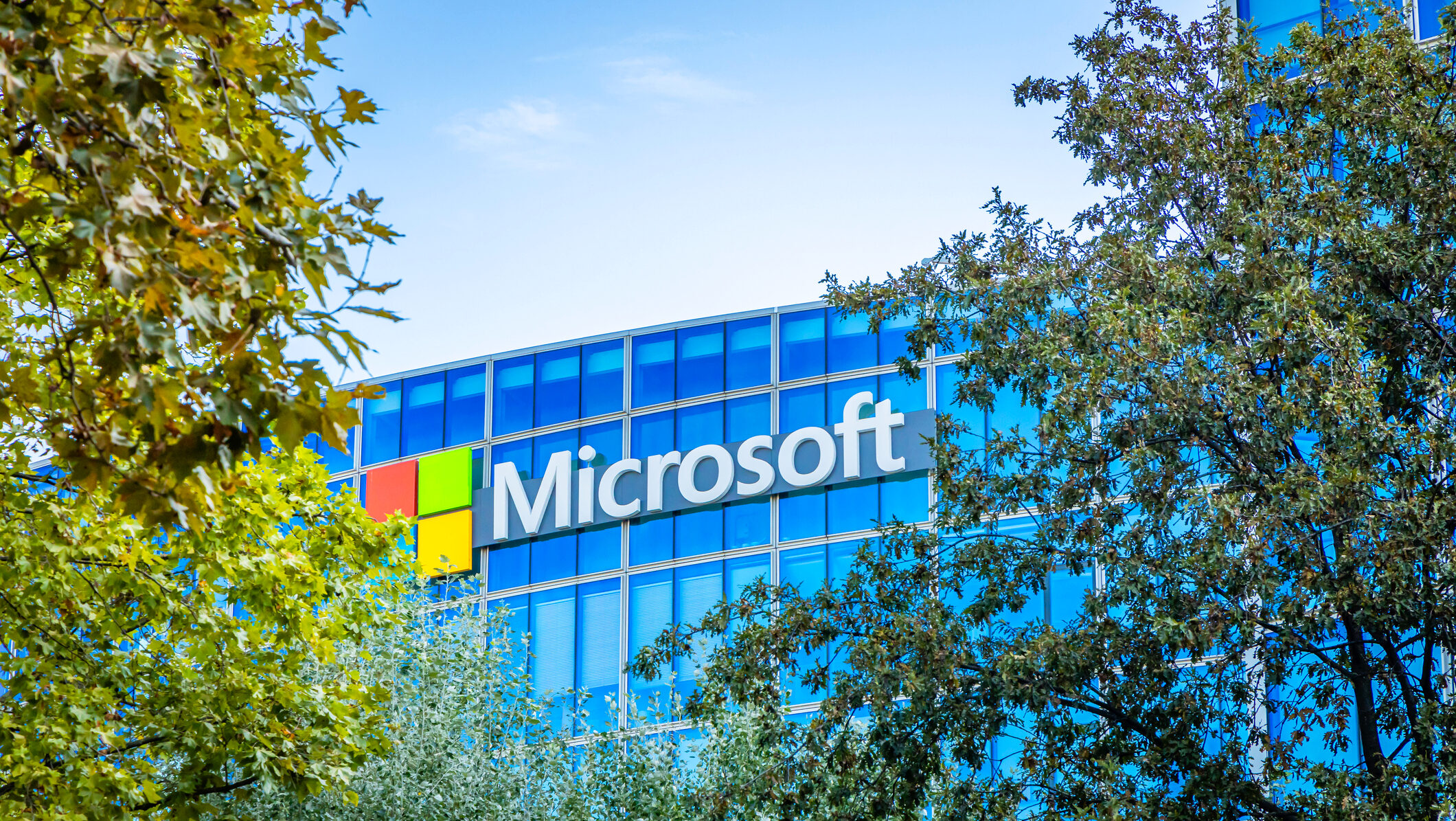
- Microsoft, meanwhile, saw its share price plunge more than 5% in after-hours trading as shareholders grew concerned its internal engines were starting to slow. While revenue and net income figures were beyond solid, its Azure cloud-computing unit posted revenue growth of “only” 38% — a slight dip from the previous quarter, and probably enough to disappoint investors who were looking for continued growth, DA Davidson analyst Gil Luria told Bloomberg.
Open Wide: A look under the hood revealed more trouble spots that could make Microsoft’s future spending plans look a little costly. The company said that its expected total revenue from customer contracts that have not yet been paid stands at about $625 billion, more than double last year’s. Sounds good, right? Microsoft also conceded that 45% of that figure is expected from its pseudo-sibling OpenAI, and that has analysts a little worried. “The backlog is really good, but the disclosure that OpenAI is 45% of their backlog, it goes back to the situation where, ‘Can OpenAI achieve these financial goals to pay Oracle, Microsoft and many of the providers?’” Jefferies analyst Brent Thill said on CNBC.
Recent News






-

Photo illustration by Connor Lin / The Daily Upside