Sandisk Stock Nearly Triples in Record Quarter
The massive demand for flash memory in AI chips is creating lots of good memories for Sandisk shareholders.
Sign up for smart news, insights, and analysis on the biggest financial stories of the day.

If you’ve been thinking about replacing your suddenly sputtering laptop, sooner might be better than later.
An AI-driven run on flash computer memory has driven up prices on all sorts of consumer electronics. That’s bad news for you, but great news for memory-supplier Sandisk, whose shares just capped the best quarterly run in their history. But can the memory maker print good memories forever?
Do You Remember When?
Shares of Sandisk surged 168% in the first three months of the year and have gained more than 1,345% over the past 12 months as massive demand for flash memory in AI chips benefits shareholders. Sandisk, which reports its third-quarter earnings April 30, has forecast revenue of $4.4 billion to $4.8 billion, blowing past the roughly $2.9 billion Wall Street expected.
Most analysts expect the memory shortage to last through 2028, and it’s already causing consumer headaches:
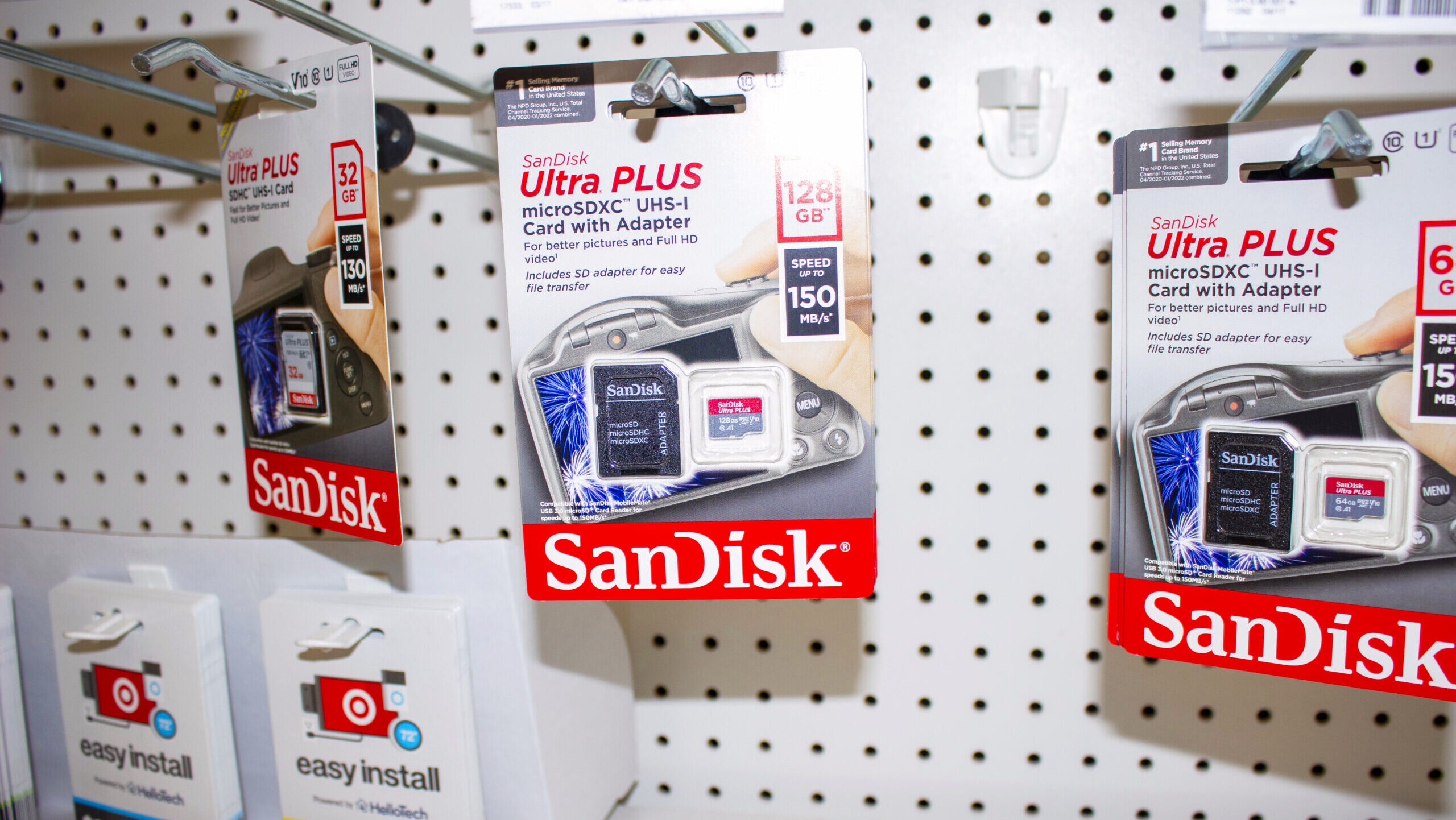
- Sony announced Friday it would raise the price of its base PlayStation 5 by $100 and the PlayStation 5 Pro by $150, and said it would suspend fulfillment of consumer memory card orders due to a global shortage. Sandisk, meanwhile, has dramatically increased the prices of its consumer memory cards over the past year; a 256-gigabyte card now costs $179, up $100 from a year ago.
- Raspberry Pi, which makes ultra-cheap computer boards popular among DIY AI enthusiasts, announced on Wednesday its third round of price hikes since December. The 16 GB Raspberry Pi 5 now costs $220, more than twice the price at its January debut.
Have a Gas: Sandisk’s record quarter comes even after a bumpy end to March. The company’s shares took a double-digit freefall last week as investors digested the news that Google’s AI researchers cracked the code to an ultra-efficient AI memory compression algorithm. The war in Iran has also disrupted the memory chip industry’s supply chain for helium, a crucial input that’s a byproduct of natural gas processing. Still, one helium industry consultant told The New York Times last week that the tech industry will “outbid anybody” to get its helium supply.