Iran War Drags Consumer Sentiment Close to Historic Lows as Wall Street Confidence Falters
While consumer sentiment has been in the gutter for some time, it hasn’t correlated with a dip in consumer spending. Yet.
Sign up for smart news, insights, and analysis on the biggest financial stories of the day.

Washington’s cherry blossoms are in peak bloom, but the US consumer is still stuck in a long, inflationary winter.
The University of Michigan’s Surveys of Consumers reported Friday that consumer sentiment fell to a three-month low in March, as the US-Israel war with Iran stoked fears of inflation and economic sluggishness. The final March reading of 53.3, down from a preliminary reading of 55.5, remains near historic lows.
Data Downer
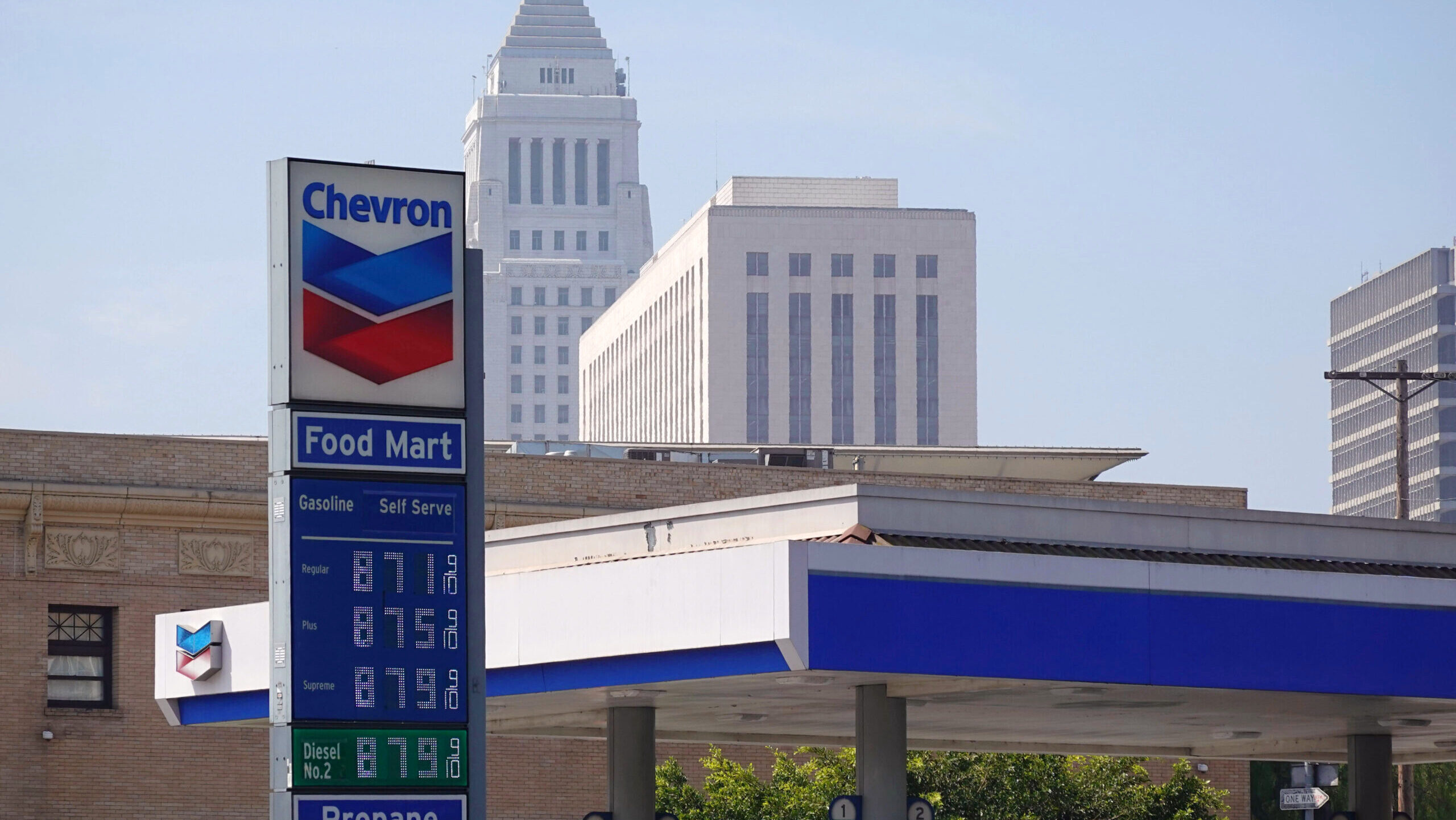
Their gloom is understandable. Against the backdrop of the war, several crucial economic indicators have been more downbeat than a Nick Drake album. Global oil prices rose nearly 50% in the past month. The average price of US retail gas has surged $1 to $3.98 per gallon. The S&P 500 has fallen 7.4%. Meanwhile, the Labor Department’s February jobs report said the economy unexpectedly shed 92,000 jobs in the month leading up to the conflict, while wage growth has slowed to near-decade lows. That’s not a recipe for consumer cheer.
The energy disruption is likely to make life more expensive in the near term. The Michigan survey showed consumers’ expectations for inflation over the next 12 months rose to 3.8% from 3.4% in February. That’s optimistic compared with the Organization for Economic Cooperation and Development, which last week raised its US inflation forecast for 2026 from 2.8% to 4.2%. The Federal Reserve, meanwhile, maintained a much rosier outlook, raising its annual inflation estimate by a single decimal point to 2.7% last week. Small wonder that traders and analysts are tearing up prior assumptions:
- CME Fedwatch data shows traders think the war may be taking Federal Reserve interest rate cuts off the table this year, and even bringing back the prospect of rate hikes. They’re now pricing in a near 25% probability of a hike by December and a less than 3% chance of cuts.
- Moody’s Analytics said last week that the odds of a recession in the next 12 months, at 48.6%, are now basically a coin flip. Goldman Sachs also hiked its recession outlook to 30%, citing inflation, energy prices and growth concerns. Both are well above the typical baseline probability of 15% to 20%.
Cheer Up: While consumer sentiment has been in the gutter for some time, this hasn’t yet correlated with consumer spending. “Consumers appear to believe that any negative economic consequences of the Iran conflict are likely to be limited primarily to the short run,” said University of Michigan economist Joanne Hsu, the director of the surveys. Torsten Sløk, Apollo’s top economist, advised everyone to take a chill pill, writing: “Markets are overreacting to what will likely be a four- to six-week period of volatility, which will ultimately result in 50 years of stability in oil markets, supply chains and geopolitics.”
Recent News
-

Photo via Chen Mengtong/China News Service/VCG/Newscom