Tariff Costs Triple for Midsized US Businesses: JPMorgan
For mid-sized firms largely lack the ability to dictate trade terms or shuffle their supply chains, making tarriffs a major pain.
Sign up for smart news, insights, and analysis on the biggest financial stories of the day.

Tariffs weren’t enough to end America’s import addiction.
Last year, in spite of (or because of) the White House’s aggressive tariff campaign, the US trade deficit of goods reached a record high, according to data Thursday from the US Commerce Department. In other words, tariffs haven’t really altered the behavior of US consumers and companies. But according to a JPMorgan report published Thursday, the tariffs are definitely making life tougher for mid-sized companies.
Beat the Rush
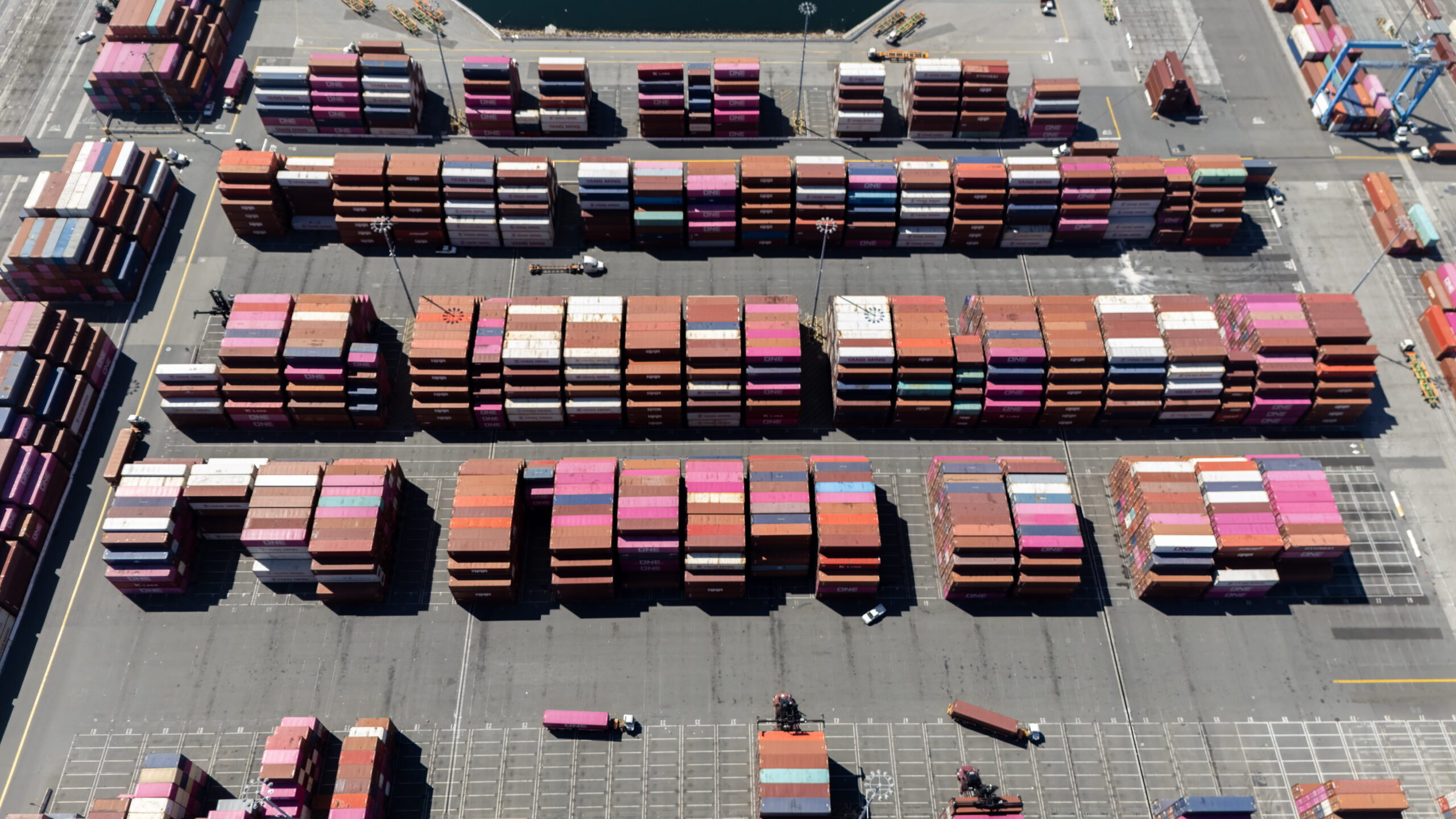
Imports into the US climbed 4.7% last year to $4.3 trillion, while exports rose 6.2% to $3.5 trillion. That places the total trade deficit for goods and services at $901.5 billion, a slight tick down from 2024 levels but still one of the highest on record since 1960. Part of the increase — but not all of it — can be attributed to the rush of imports at the beginning of the year, when ports were overwhelmed by companies trying to frontload supply ahead of the expected tariff regime. The deficit proved as volatile as the on-again, off-again nature of global trade negotiations, plummeting to the lowest point since 2009 in October before stabilizing at normal levels in December, according to the Commerce Department.
So what does that mean? For the most part, companies and consumers alike (who bear the bulk of tariff costs, according to New York Fed economists) grit their teeth and pay the new import taxes. For midsized firms, which largely lack the ability to dictate trade terms or shuffle their supply chains, tariffs proved a major pain:
- According to an analysis of transaction data, JPMorgan found that midsized companies — those that make $10 million to $1 billion in revenue or have 50 to 499 workers — paid roughly triple the tariff payments they shouldered in 2024.
- Overall, outflows to foreign companies remained relatively stable in 2025. A majority of midsized firms conduct international transactions, and nearly half do business with at least two other countries.
Relationship Game: Per JPMorgan analysts, long-term supplier relationships are valuable to midsized companies, which made many hesitant to find a new supplier in a different country. Still, business outflows to China dropped 27% last year — a figure that aligns neatly with the 30% overall decrease in Chinese imports reported by the Commerce Department. After all that, it seems tariffs didn’t change how much Americans import, but rather how they do so.