Trump Deploys New Tariff Tactics After Supreme Court Rejects Emergency Levies
Up to $175 billion of illegally collected tariffs could now be eligible for rebates, economists at Penn Wharton estimate.
Sign up for smart news, insights, and analysis on the biggest financial stories of the day.

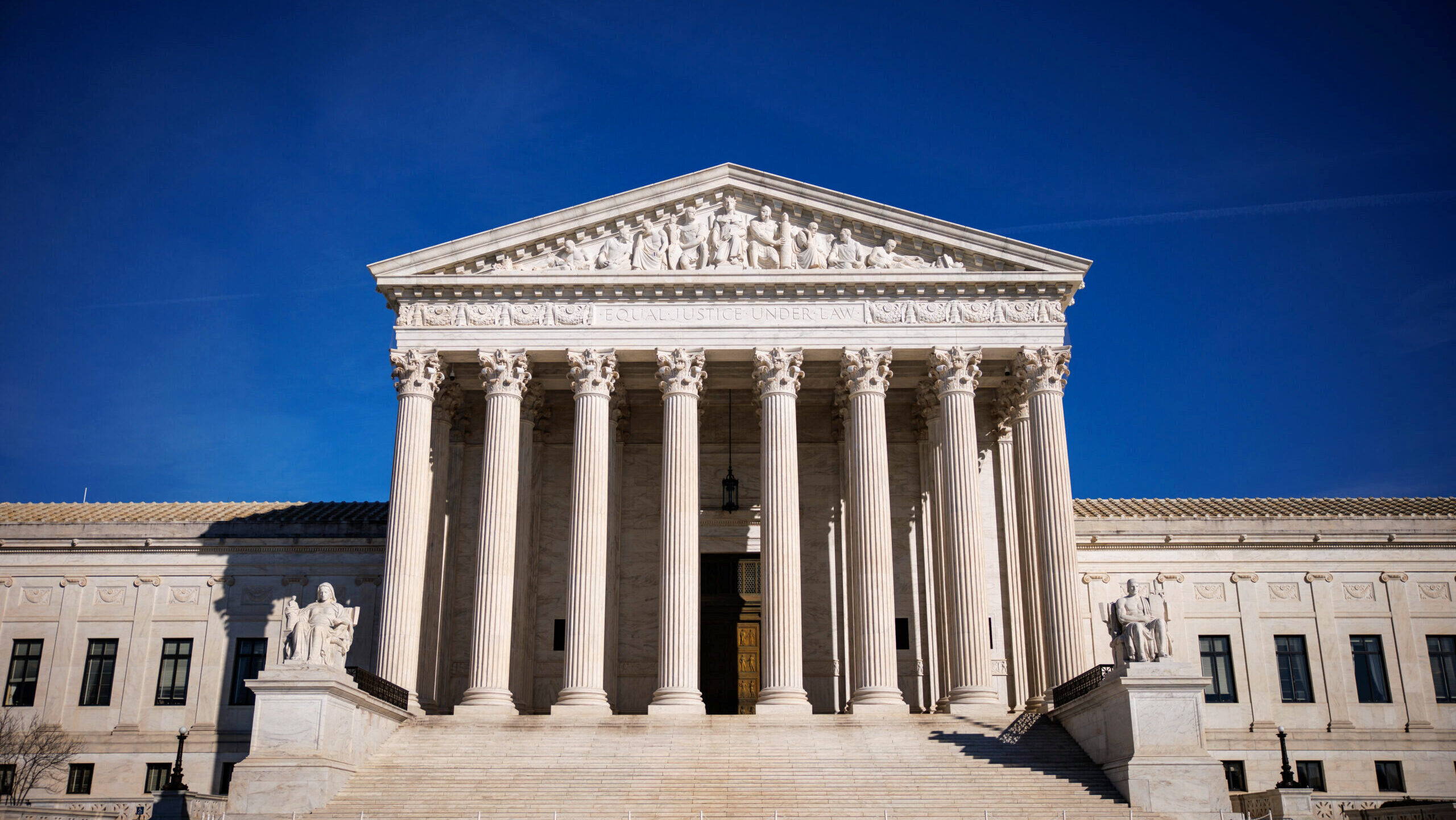
The Supreme Court didn’t stop the trade war; the justices just changed how it’s being waged. By striking down the Trump administration’s use of broad emergency powers, the Court forced a pivot from a global ‘carpet bombing’ approach to a series of surgical strikes.
But that still leaves billions of Liberation Day levies in legal limbo.
Burden of Being Small
Last year, the US government collected $287 billion in tariff revenue, a 192% increase from 2024, according to the Richmond Fed. Up to $175 billion in illegally collected tariffs could now be eligible for rebates, Penn Wharton economists estimate.
This could entail a Trump Tower-sized administrative headache. The court offered no guidance on how or if tariffs imposed under the International Emergency Economic Powers Act, which justices rejected, should be returned, a sort of “have fun figuring that out” between the lines. “It is unlikely to be straightforward, particularly where the economic burden has been shared across the supply chain, so there could be disputes at a contractual level,” said Justin Whitehouse, a managing director at Alvarez & Marsal’s tax practice. At a Friday press conference, President Trump hinted his administration may also fight rebates, stating: “I guess it has to get litigated for the next two years.” Any legal action and paperwork would amount to a “particularly unfair burden for smaller importers that lack the resources to litigate tariff refund claims yet never did anything wrong,” said Cato Institute economist Scott Lincicome.
Then there’s what’s coming next:
- Trump said shortly after the Supreme Court’s decision that he was placing a 10% tariff on global imports using Section 122 of the Trade Act, and on Saturday said he plans to increase that levy to the maximum 15% allowed under the law. The catch: Section 122 requires congressional reauthorization after 150 days.
- Section 122, combined with Section 301 investigations into unfair trade practices, is likely a temporary bandage for the president’s unyielding longer-term tariff ambitions. Trump said he has “great alternatives” that will be rolled out soon.
“The Trump administration will quickly pivot to different legal grounds for replacement tariffs while deficits go higher in the interim,” said LPL Financial equity strategist Jeff Buchbinder. He and other analysts said Friday that lower tariffs could cool inflation, encouraging more Fed rate cuts and unleashing economic activity (as would Friday’s poor 1.4% fourth-quarter GDP growth reading, which badly missed estimates).
What for Equities? Friday’s bounce was muted, just a 0.5% rise on the S&P 500. Eric Diton, president of The Wealth Alliance, said the “ruling and subsequent market reaction lead me to believe that this decision was mostly priced in.” High court justices telegraphed their skepticism of Trump’s tariffs during oral arguments in November, leading many investors to see this one coming. The obvious immediate beneficiaries are in the online retail sector, where imports make up a large share of offerings: Amazon rose 2.5% on Friday, Etsy 8.4%, Wayfair 2.4% and Temu-parent Pinduoduo 2.9%.
Recent News




-

Photo via Chen Mengtong/China News Service/VCG/Newscom