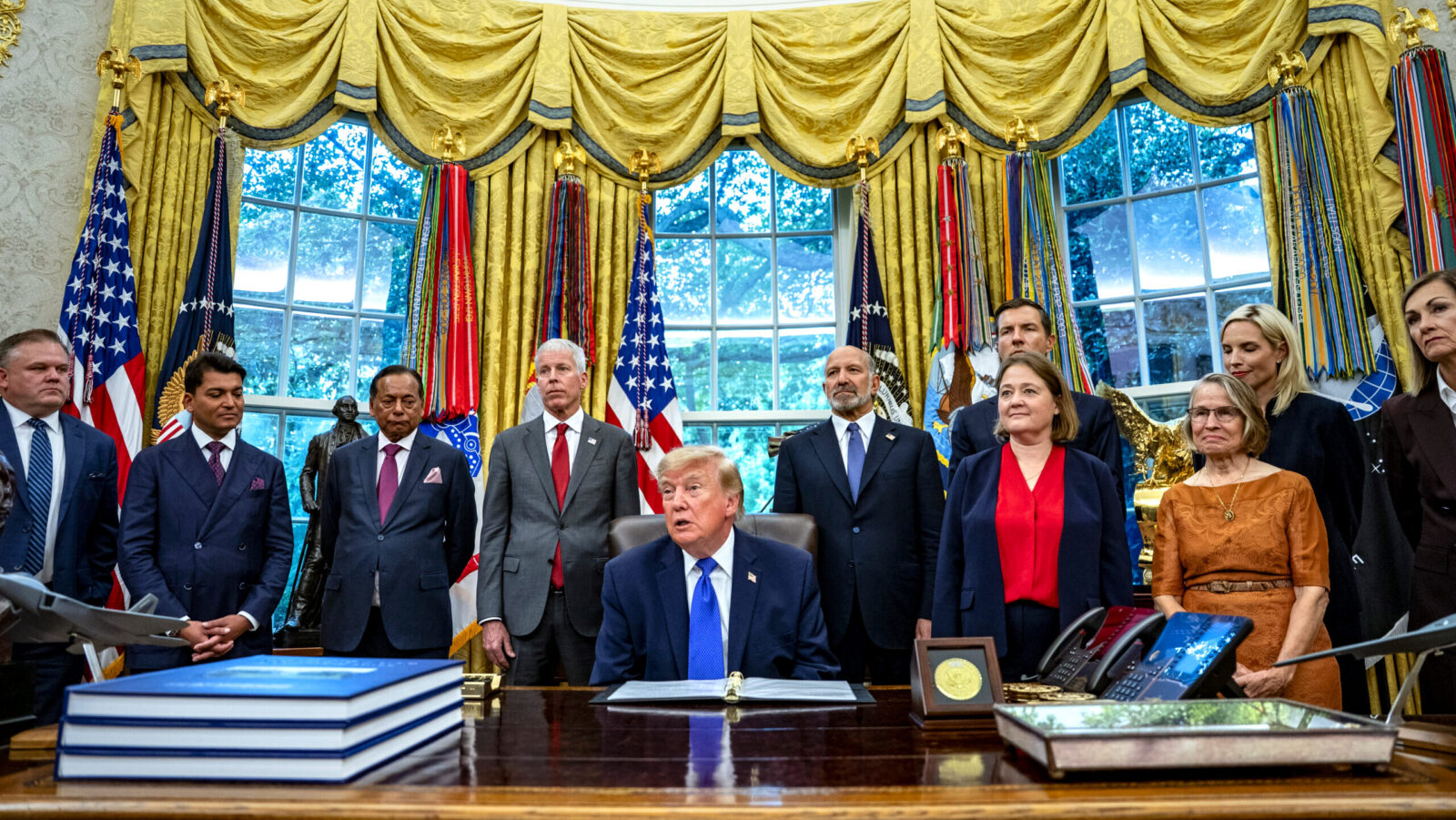
On Friday, Iowa legislators in the were told the mill is “not a done deal” after they were called in to approve incentives worth $1.4 billion.
Our daily email brings you smart and engaging news and analysis on the biggest stories in business and finance. For free.
The yield on the 10-year Treasury note finished September with the biggest quarterly gain since 1994 and reached a 24-year high of 5.34%.
Its Open Agent Safety Platform is a training sandbox designed to prevent the breaches that have led to hacks at Hugging Face and elsewhere.
The 10-year yield has surged to 5.223%, the most in 19 years, while the 30-year yield hit 5.501%, the most since 2004.
The rout has been caused by energy shocks, surging US government debt, inflation and capital investment the size of national GDPs.
Lockheed Martin has been benefiting from missile demand as Western countries look to refill their missile stockpiles and build their arsenals.
Palantir saw its revenue jump 85% year-over-year in the first quarter to $1.6 billion. Its stock is still down 31% so far this year.
Most likely to benefit is Westinghouse, whose AP1000 nuclear reactor, capable of powering small cities, is at the center of the deal.
Enterprise customers have begun to doubt the burdensome cost of pay-per-use token consumption and are looking to cheaper models.
Apple’s supply chain and manufacturing dependencies have turned problematic in the age of tariffs and friend-shoring.
OpenAI’s joint venture with private equity giants will turn some 2,000 portfolio companies into potential AI adopters.
The Iran War reignited demand for the US dollar as a safe haven, but that may not stop the greenback’s longer-term decline.
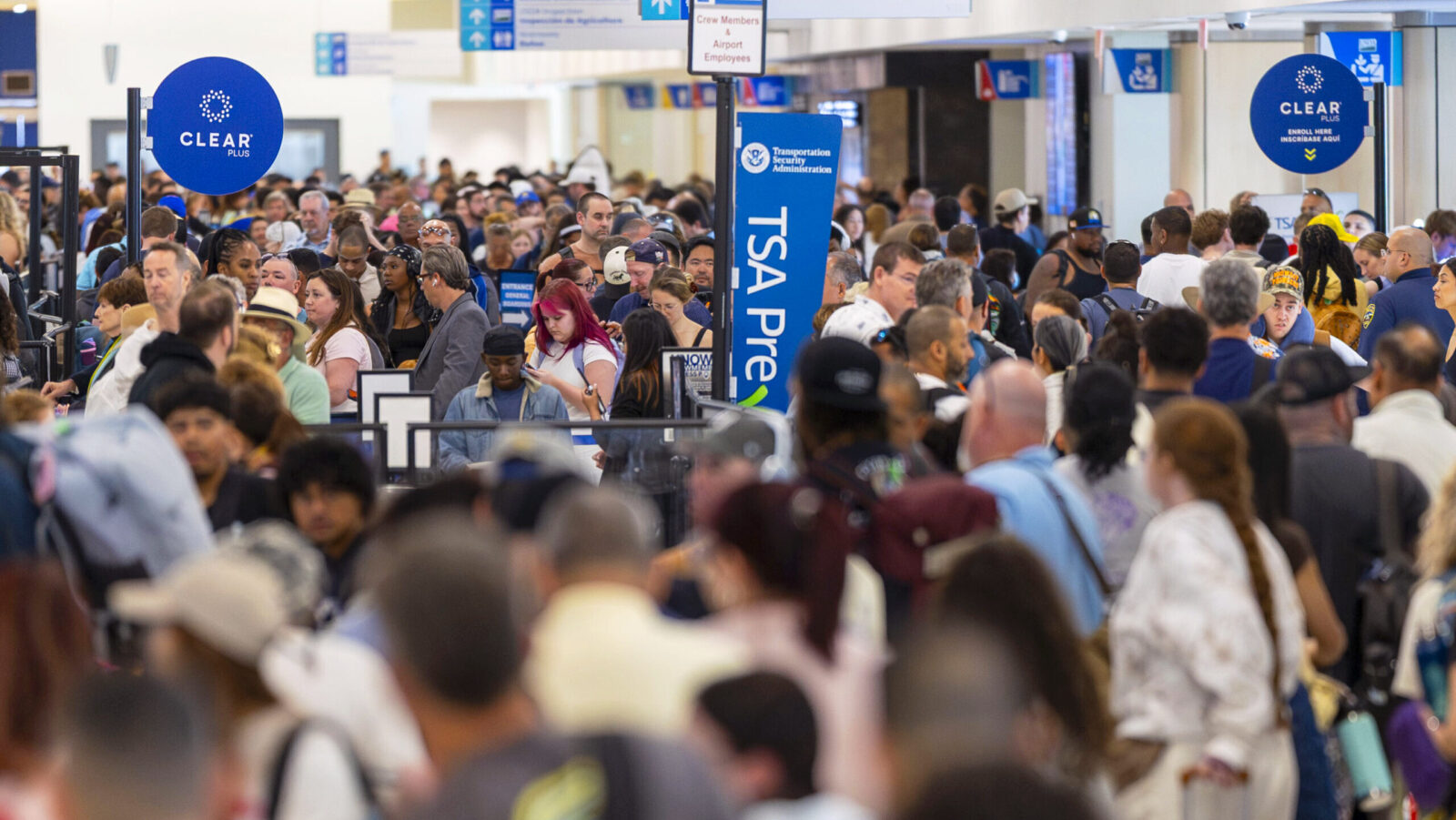
Clear has gained a cult following of travelers who like to show up for flights five minutes before boarding.
Last month, the Pentagon invited 25 drone manufacturers to participate in a competition to win a $150 million prototype order.
Up to $175 billion of illegally collected tariffs could now be eligible for rebates, economists at Penn Wharton estimate.
Just last week, the agency rejected Moderna’s initial application, citing flaws in the company’s research design.