Institutional Investors Want You To Know They’re Good For The Housing Market
An industry group contends that landlord-owned single-family homes help open doors to attractive neighborhoods.
Sign up for smart news, insights, and analysis on the biggest financial stories of the day.

Institutional investors responded on Monday to the White House’s assertion that corporations have no business buying homes: Ban us at your own peril.
In a recent press release, the National Rental Home Council (NRHC), an industry group that represents single-family home landlords, argued that, contrary to popular belief, the presence of investor-owned single-family home rentals is a force for affordability. But does reality match the realty claim?
Bid Pro Quo
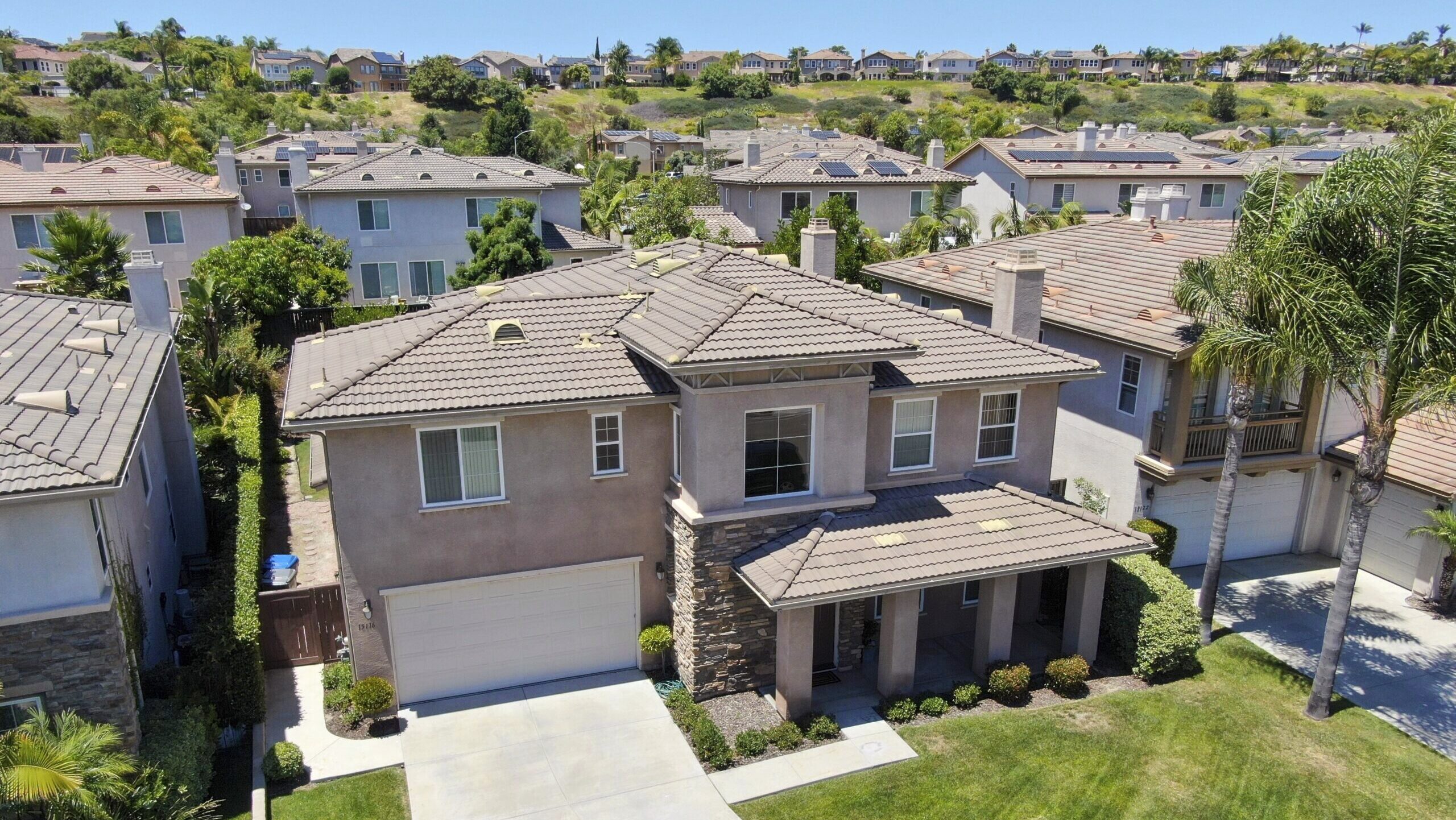
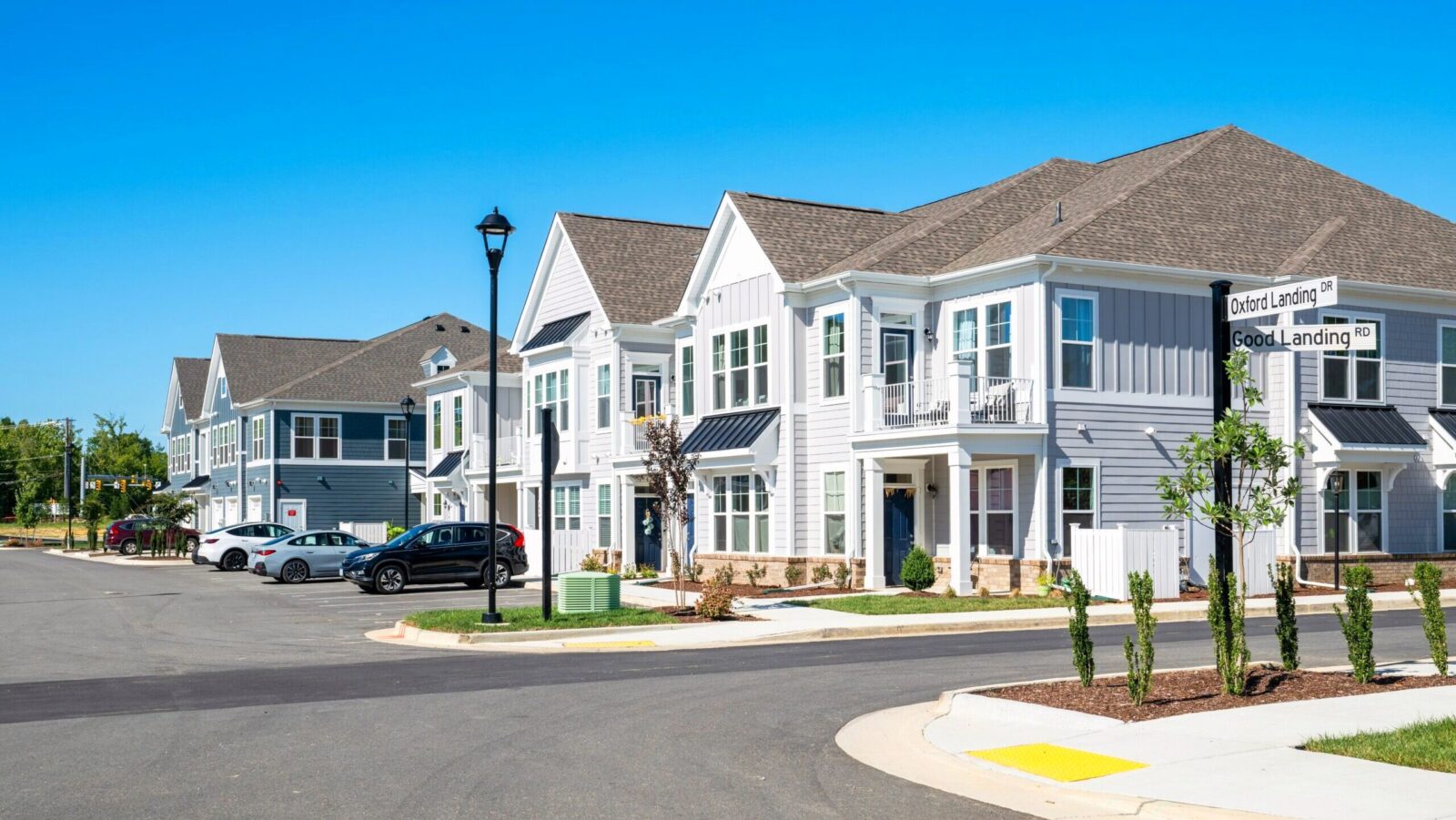
In President Trump’s Truth Social policy proposal last week, he declared, “People live in homes, not corporations.” NRHC’s response? Yes, and we make that possible. The group contends that landlord-owned single-family homes help open doors to attractive neighborhoods where many couldn’t afford to buy, claiming that home ownership exceeds rental costs on average by around 40%. The group also touted how so-called professional housing providers tend to snap up distressed homes and then make major improvements, which can increase the value of surrounding properties.
The Urban Institute, for instance, found that large-scale homebuyer Invitation Homes typically spent nearly $40,000 per home on up-front renovations completed in 2020, much higher than the typical homeowner’s average of $6,300. According to the Federal Reserve Bank of St. Louis, the improvements lead to increased home equity across the rest of the neighborhood, too.
Most experts still say the leading cause of the locked-up housing market is limited supply, and the Wall Street groups say they help on that side of the equation, too:
- Institutional investors remain important buyers of new homes, often serving as the buyer of last resort for homebuilders looking to move inventory and secure more cash to continue building.
- “If you take away a critical buyer, that impacts [builders],” Ali Wolf, chief economist at property data firm Zonda, told Bloomberg. “And if builders aren’t building as many homes, that could put an upward pressure on prices.”
Who’s Counting? One thing is clear: The White House’s policy remains strictly in the “proposal” stage, and the details are still being sorted out. Treasury Secretary Scott Bessent has clarified that any policy would ban investors from future home purchases and would not force the sale of any current assets. Meanwhile, institutional investors are pitching their own compromises. In an interview with Bloomberg Television on Monday, Stephen Scherr, the co-president of Pretium, pushed back on the White House’s proposal and suggested that firms like his could participate in rent-to-own programs: “Imagine a scenario in which rent is paid, money is held back to provide against a deposit account for a down payment.”
Recent News
-
US Housing Market Doesn’t Have Much ‘Tailwind’: Lowe’s CEO

Photo by https://unsplash.com/photos/condo-neighborhood-in-the-suburbs-ROVuTYG_jso via Unsplash
-

Photo illustration by Connor Lin / The Daily Upside







-
Photo illustration by Connor Lin / The Daily Upside, Photo by Gearstd via iStock