The Commercial Real Estate Market Is Touting a Recovery as the Waldorf Astoria Offers a Test
A Chinese state-run company that owns Manhattan’s Waldorf Astoria is preparing to sell the hotel, The Wall Street Journal reported this week.
Sign up for smart news, insights, and analysis on the biggest financial stories of the day.

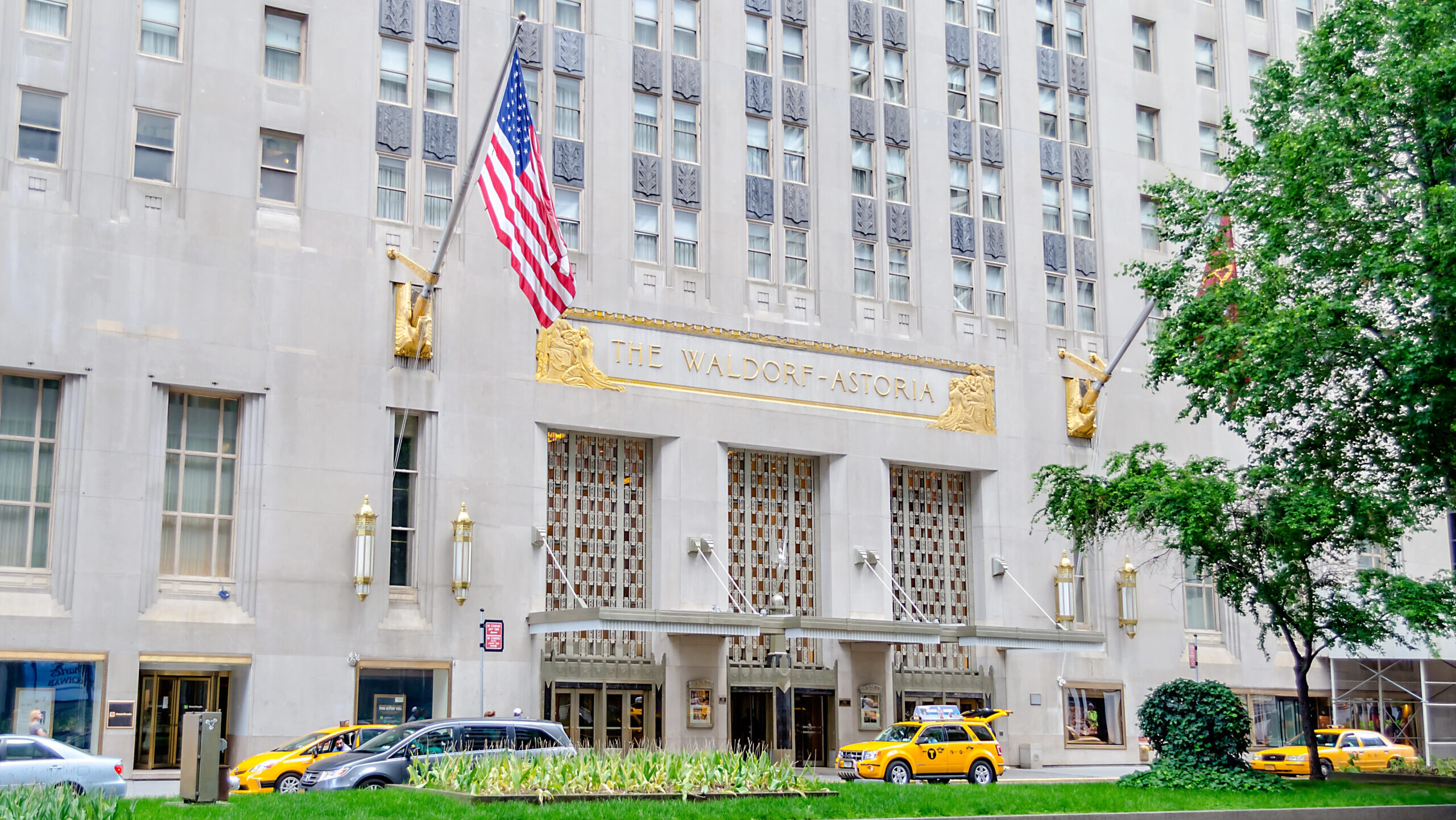
An iconic symbol of New York’s old money scene that Cole Porter, Frank Sinatra and Marilyn Monroe once called home is about to be plastered with a “for sale” sign, offering the commercial real estate market its ultimate test case.
The Chinese state-run company that owns Manhattan’s Waldorf Astoria is preparing to sell the hotel, The Wall Street Journal reported this week, citing people with knowledge of the plans. The Waldorf, where Grace Kelly held her engagement party, was sold to China’s Anbang Insurance Group for $1.95 billion in 2014. The Chinese government later took over the company and appointed the state-run Dajia Insurance Group to handle Waldorf and other assets, which included a makeover of the hotel that went more than $1 billion over budget. The sellers are expecting a billion-dollar-plus sale, per the WSJ, meaning Beijing would take a major haircut.
Real Estate Recovery
The Waldorf’s reported sale comes amid a slew of challenges for the commercial real estate market, including the impacts of inflation, tariffs and the 43-day government shutdown late last year. But there are now signs that the market is stabilizing. Recent research from the commercial real estate development association NAIOP found that in 2025, new commercial development and operations of commercial, residential, institutional and infrastructure real estate contributed $3.5 trillion to US GDP.
Hopes are high:
- Experts at JPMorgan recently forecasted a bright 2026 for the market. “In 2025, we saw improvements in real estate equity fundraising and transaction volume,” said Michelle Herrick, JPMorgan’s head of commercial real estate. “The 2026 market is strong from both a capital and fundamental standpoint — we anticipate more transactions in the coming year.”
- CBRE predicts the market will “thrive” this year, with commercial real estate investment activity growing an estimated 16% to $562 billion, which would nearly match the annual average in the four years leading up to the pandemic.
Automation Alarm: Meanwhile, real estate service stocks are the latest victims of artificial intelligence fears. Shares of CBRE Group, Jones Lang LaSalle, Hudson Pacific Properties and Cushman & Wakefield struggled this week as investors continue to jump ship from industries AI threatens to disrupt. Software and Big Law can relate.
Recent News
-

Photo illustration by Connor Lin / The Daily Upside, Photo by Thanumporn Thongkongkaew via iStock -
Photo by https://unsplash.com/photos/condo-neighborhood-in-the-suburbs-ROVuTYG_jso via Unsplash



-
Photo illustration by Connor Lin / The Daily Upside, Photos via Waymo, Zoox, and Tesla