ETFs Highlight Market Turmoil of Iran Conflict
Broad-market index funds were nearly flat Monday, while gold and defense ETFs were up. All that changed a day later.
Sign up for exclusive news and analysis of the rapidly evolving ETF landscape.

Up. Down. Curiously calm, then volatile.
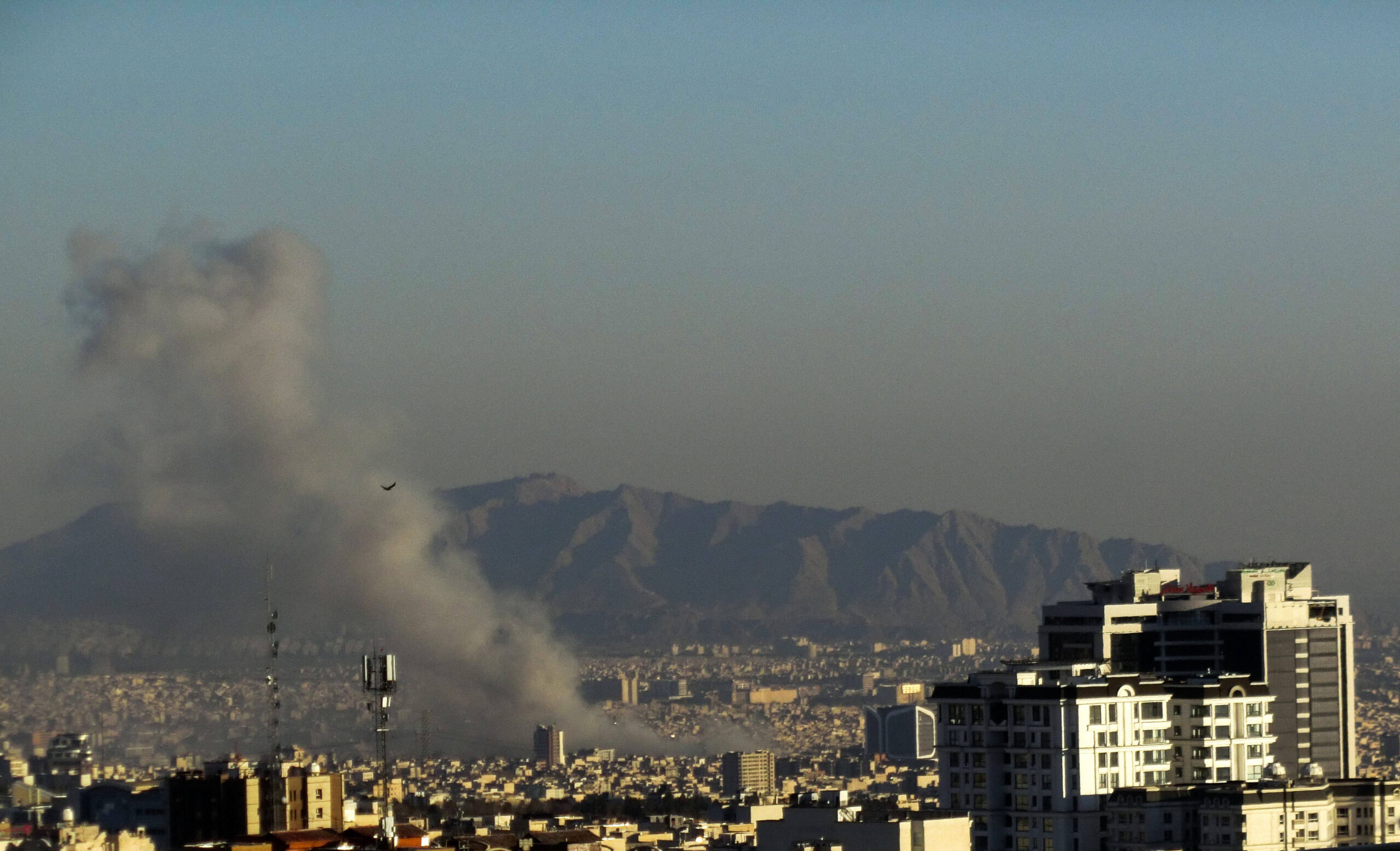
The US-led attacks on Iran have sent sector ETFs climbing or falling after dragging down the major market indexes on Tuesday. Broad markets showed little change on Monday, though the ETFs initially performing best after the large-scale bombings included those focused on defense, oil, gold and crypto assets. Meanwhile, airline ETFs plummeted, along with emerging markets. The Vanguard S&P 500 ETF (VOO) was down less than 1% as of market close on Tuesday.
Investors tend to get spooked immediately after invasions, though markets may bounce back weeks later. “It seems like more fear is creeping into the market,” Amplify ETFs CEO Christian Magoon said. “Over the last 24 hours, as things have played out, the market has become more concerned.”
Gold, Guns and Oil
As the roughly 20% of global petroleum shipments that come via the Strait of Hormuz all but stopped, oil prices spiked. The $39 billion State Street Energy Select Sector SPDR ETF (XLE) was up 2% over five days as of market close on Tuesday. Amplify’s Breakwave Tanker Shipping ETF (BWET) rose 5% over five days after falling 13% yesterday. Before the attacks on Iran over the weekend, energy and basic materials were strong performers in the wider market, and investors may have felt more confident about those areas than technology amid volatility related to AI, Magoon said.
A category typically viewed as a safe haven, gold, initially rose before falling Tuesday. “Gold and silver have been good performers this year,” Magoon said. “There is some profit-taking in some of those areas right now, to potentially raise cash to be defensive or deploy at lower levels.” Other causes of the price drops are a flight to the US dollar and changes in expectations for rate cuts by the Federal Reserve, said Aakash Doshi, head of gold strategy at State Street Investment Management.
A look at how the crisis has affected ETFs by categories:
- With commercial air traffic halted at major hubs in the Middle East, airline stocks fell Monday, and the US Global Jets ETF (JETS) dropped 5% over five days, including a 1% decline on Tuesday. The iShares Core MSCI Emerging Markets ETF (IEMG) fell Tuesday by over 5%, bringing its five-day drop to over 6%.
- The SPDR Gold Trust (GLD) ETF fell 4.5% Tuesday, bringing its five-day decline to over 1.5%.
- The iShares US Aerospace & Defense ETF (ITA) rose 2% Monday but fell just as much on Tuesday.
Sell or Hold? The outcome of a potential war lasting more than a few weeks is uncertain. But a review of geopolitical events since 1990 shows a pattern: “Markets experience an initial shock, followed by recovery over the subsequent three to six months,” Westwood CIO of multi-asset strategies Adrian Helfert said in a statement. “The investors who fare worst in these episodes are those who sell into the initial panic.” Still, every episode is different. “This truly seems to be the first war that is livestreamed on social media,” Magoon said, of videos bystanders have posted of Iranian missiles landing in the UAE. “This is an emotional market, as we know.”
Recent News

-

Photo by Garrett A. Wollman via CC BY-SA 2.5






-
BlackRock Doubles Down on Ethereum With Latest Staked ETF Filing

Photo via Richard B. Levine/Newscom