Berkshire Maintains Buffett’s Bullishness on Japan with $1.8 Billion Tokio Marine Deal
In Tokio Marine, one of Japan’s “Big Three” non-life insurance groups, Berkshire is making a big bet on the country’s huge insurance sector.
Sign up for smart news, insights, and analysis on the biggest financial stories of the day.

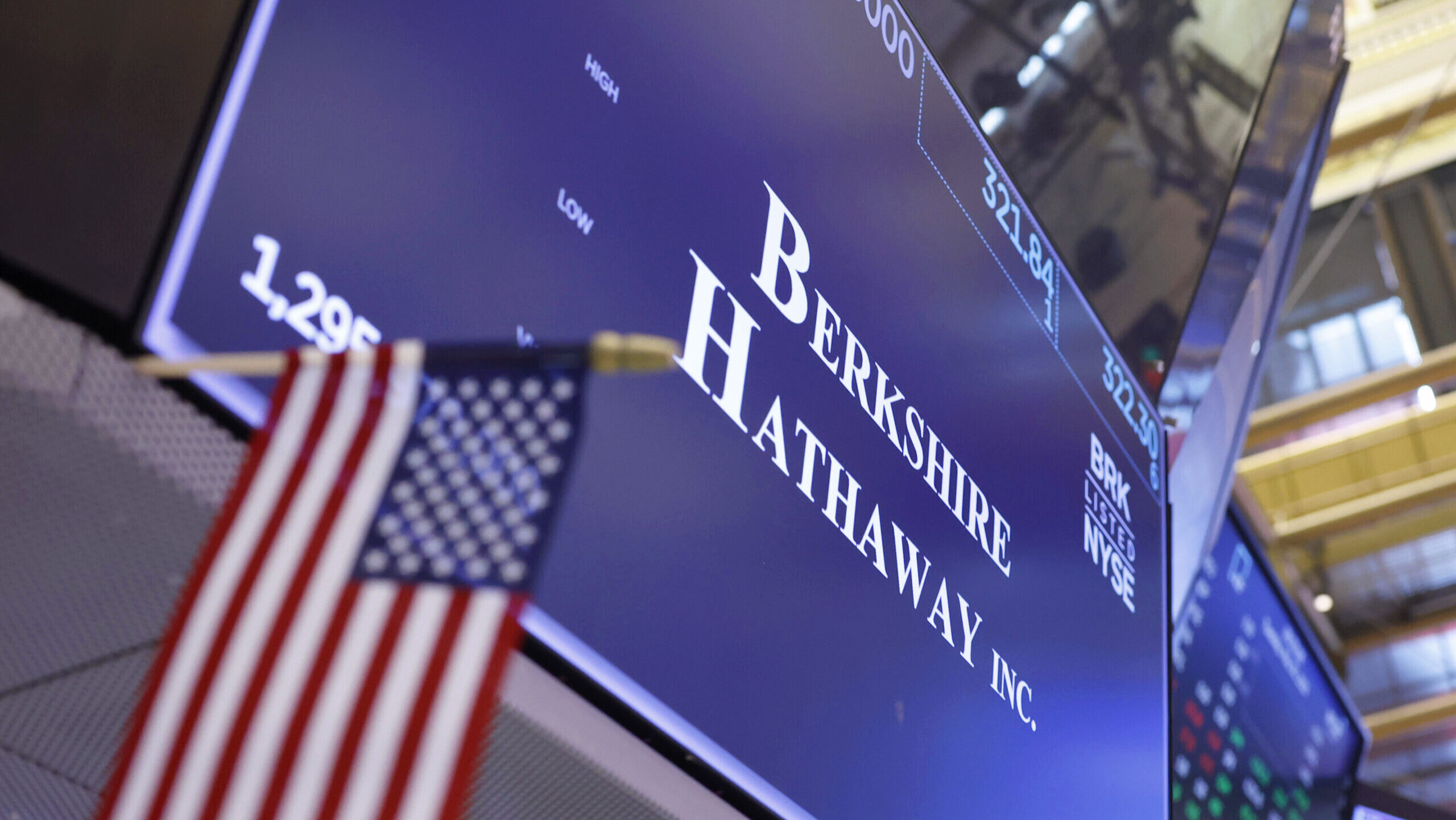
When Greg Abel succeeded Warren Buffett as Berkshire Hathaway CEO earlier this year, he made clear he wouldn’t be saying sayonara to the Oracle of Omaha’s way of thinking.
On Monday, the cash-flush Berkshire affirmed that position by shopping in one of Buffett’s favourite places, Japan, for some kosupa (that’s bang for your buck, roughly speaking). A deal to acquire a 2.5% strategic stake in insurance giant Tokio Marine for $1.8 billion added to a portfolio of investments in Nihon that Buffett began building in 2019.
Dumplings Over Flowers
Since 2019, Berkshire has built roughly 10% stakes in five major Japanese trading houses: Itochu, Marubeni, Mitsubishi, Mitsui and Sumitomo. Buffett heaped praise on the firms for what the Japanese would call their dumplings-over-flowers (hana yori dango) approach, which is to say a substance-over-style, Berkshire-like allocation of capital across a wide range of industries. He also emphasized in subsequent years his belief that Japan is better positioned than Taiwan to benefit from US-China trade tensions. The returns have been superb, with an initial investment of $6 billion earning $24 billion in six years.
In his first letter to shareholders as CEO, Abel couldn’t have been clearer about the value of Berkshire’s Japanese holdings, calling them “comparable to our major US holdings in importance.” And, in Tokio Marine, one of Japan’s “Big Three” non-life insurance groups, Berkshire is going beyond trading houses with its first major bet on the country’s massive insurance sector:
- National Indemnity Company, Berkshire’s core reinsurance subsidiary, will make the investment in Tokio Marine and agreed not to take more than a 9.9% stake without prior board approval. The two companies said they will enter a decade-long partnership, which will include hunting together for M&A opportunities and Berkshire reinsuring some of Tokio’s business.
- Japanese insurers hold massive balance sheets with long-term liabilities, meaning they earn stable capital from premiums, but their returns are somewhat limited by Japanese bonds, which yield very little because of the country’s ultra-low interest rates. This has drawn significant interest from foreign private equity firms and asset managers like KKR and Apollo, which have inked billions in reinsurance deals to assume insurer liabilities in exchange for the promise of higher returns.
Buyback: Berkshire shares have fluctuated mildly in recent weeks and are down 4.5% this year, with Abel’s first shareholder meeting in May likely to set the tone for investors for the rest of the year. Lucky for him, Berkshire’s $373 billion cash pile means management has the flexibility to make buybacks if they believe shares are trading below their intrinsic value. Berkshire already signalled a bullish view of itself last week in a proxy statement that showed it repurchased $226 million of Class A shares earlier this month, its first buyback since 2024.
Recent News


-

Photo illustration by Connor Lin / The Daily Upside, Photo by Thanumporn Thongkongkaew via iStock