Netflix Is Buying Warner Bros. So Who Changes Whom?
A potential tie-up would come at an interesting crossroads for the theatrical industry and its longtime nemesis, Netflix.

Sign up for smart news, insights, and analysis on the biggest financial stories of the day.

It’s been one bid after another for the company that brought you One Battle After Another. And now a victor has finally been declared: Netflix.
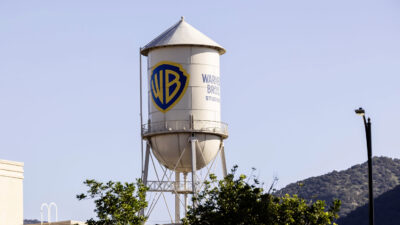
The streaming giant announced Friday morning it had agreed to acquire Warner Bros Discovery’s movie and TV studios as well as its streaming division, HBO Max, in a deal with an enterprise value of about $82.7 billion. If and when the merger gets approved — it’s likely to receive some regulatory scrutiny — the biggest disruption may just be to Netflix’s own business model.
October Surprise
So how did Netflix seal the deal? The company’s final bid is a predominantly cash offer, something WBD was said to favor. A rival bid from Paramount Skydance, meanwhile, was entirely in cash — though it was reportedly backed in part by money from Middle Eastern sovereign wealth funds, just weeks after the company “categorically denied” trade reporting that it was seeking such foreign aid.
In the run-up to Friday’s announcement, Paramount had grown increasingly concerned that its bid was being snubbed: According to a CNBC report on Thursday, attorneys sent a letter to Warner Bros Discovery CEO David Zaslav complaining that his company had “abandoned the semblance and reality of a fair transaction process” to favor a leading bidder. That suitor, of course, was Netflix, which assured WBD it would continue theatrical releases … at least until WBD’s current contractual obligations with theater companies run dry, according to a Bloomberg report in November.
Theatrical releases would mark a major second-act twist for Netflix. On the other hand, investors seem mildly wary of the streaming platform’s slowing growth, and the company has never had its hands on platinum box-office intellectual property like WBD’s Batman and Minecraft. Either way, the tie-up comes at an interesting crossroads for the theatrical industry and its upstart nemesis:
- Domestic box office revenue fell to a 27-year low in October, according to Comscore, and that’s not adjusted for inflation. But fortunes can turn fast: Disney has scored more than $600 million in Zootopia 2 ticket sales in just a week, while WBD has been on a hot streak, debuting a record seven consecutive movies to at least $40 million.
- Netflix, meanwhile, has toyed more with the box office this year, bringing animated smash hit Kpop Demon Hunters to theaters after its successful streaming debut, with plans to show the Stranger Things finale in 500 theaters nationwide over the New Year’s holiday.
Even Stranger Things: It’s not the only way Netflix will be going out of character with a WBD acquisition. Netflix keeps all Netflix-produced content on its own streamer, while WBD’s TV unit does big business producing and licensing shows to air outside of the company’s own distribution networks. For instance, WBD is behind both The Bachelor, which airs on Disney’s ABC, as well as Ted Lasso, which streams on Apple TV (no longer +). Netflix has also rarely pursued acquisitions. As co-CEO Greg Peters recently said, the company has a “deep heritage of being builders rather than buyers.” Is the company now entering its own Upside-Down?
Recent News
-
Goldman Sachs, JPMorgan Lead Wall Street’s M&A League Tables

Photo via Tschaen Eric/Pool/ABACA/Newscom



-
In Casinos, the House Always Wins. What About Prediction Markets?

Photo illustration by Connor Lin / The Daily Upside

-

Photo illustration by Connor Lin / The Daily Upside, Photo by Nestea06 via iStock