Blue Bottle Fever? China’s Luckin Coffee Weighs Offer for California Chain
In the fall quarter, Luckin Coffee raked in $2.1 billion in revenue, up 50% from the same period a year before.
Sign up for smart news, insights, and analysis on the biggest financial stories of the day.

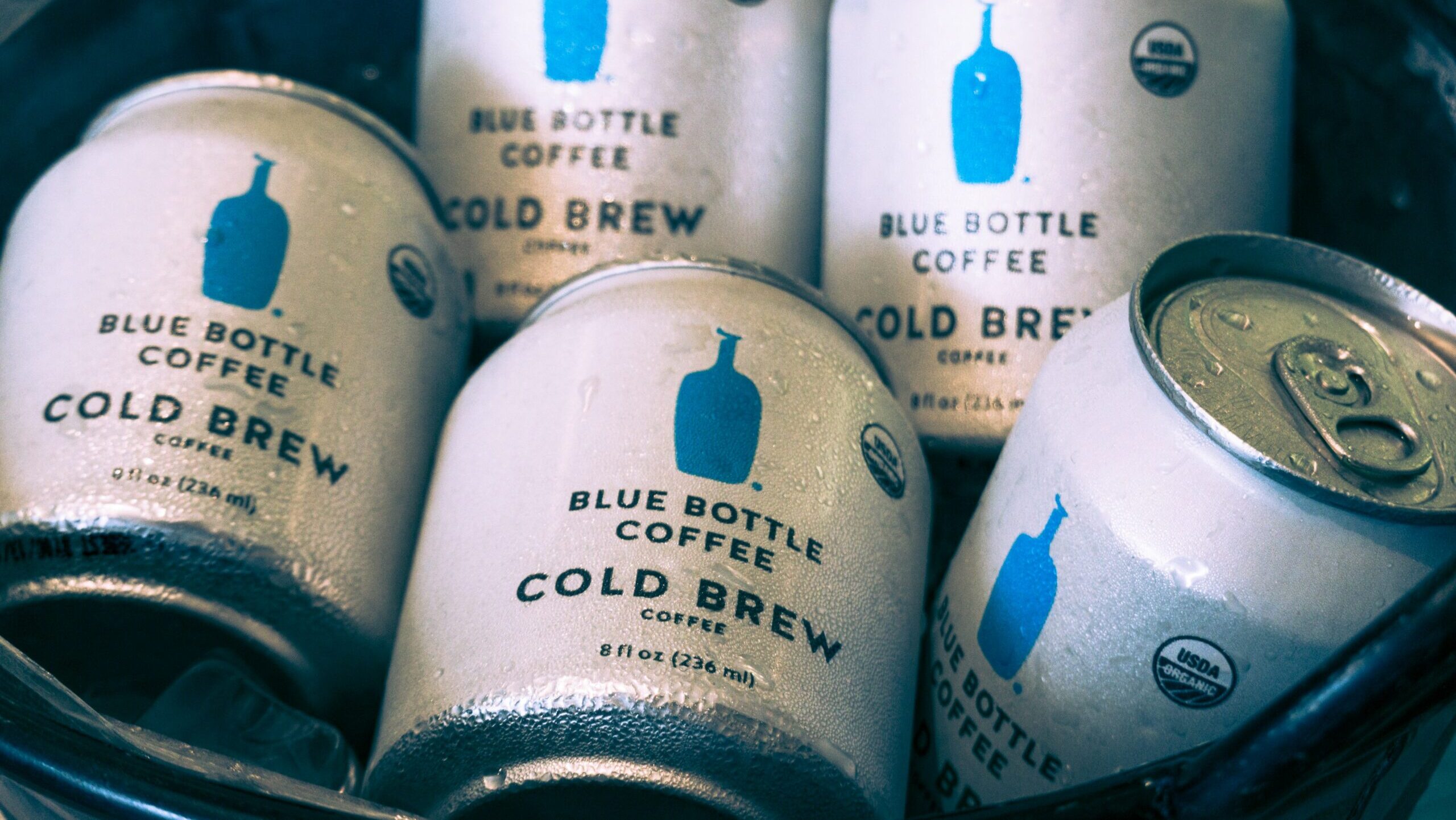
From coconut latte to single-origin pourover: Chinese coffee-and-tea giant Luckin is said to be in the early stages of considering a bid on Blue Bottle Coffee as it expands its presence beyond Beijing.
Luckin is known for creative and low-cost takes on coffee, while Blue Bottle has built a name for itself by selling straightforward, high-quality classics. Blue Bottle Coffee’s majority-owned by Nestle, which bought a 68% stake for $425 million in 2017, according to Bloomberg. Luckin is also said to be considering buying other coffee chains, including China-based % Arabica and Coca-Cola-owned Costa Coffee — although sources say Luckin’s unlikely to move forward with Costa.
Feeling Fully Caffeinated
Luckin has expanded rapidly since opening its first stores in 2017. It now has more than 29,000 locations, mainly in China. Luckin surpassed Starbucks in China by number of stores in 2023 and by annual sales the next year. In the fall quarter, Luckin raked in $2.1 billion in revenue, up 50% from the same period a year before. Starbucks, meanwhile, agreed last month to sell the majority of its Chinese stores to private equity firm Boyu Capital and is in the middle of a comeback plan to regain its footing in North America.
Now, Luckin’s looking to bring its success abroad:
- Luckin opened 3,000 new stores in the last quarter, including a handful in Singapore, Malaysia and the US. The Chinese chain now has four stores in New York, according to its website, and plans to open two more.
- Acquiring new chains with a global presence could also help Luckin push beyond China: Blue Bottle has locations in California, New York, Japan, China and South Korea. % Arabica has a global footprint across the Middle East, Asia and Europe, as well as 12 locations in Canada and Mexico — though most of its outlets are in mainland China, per its website.
Quiet Siren: Starbucks has struggled to regain the same appeal it had during the peak PSL years. While the company helped spark China’s coffee-drinking habits in the 1990s, Luckin quickly knocked the Seattle company off balance with lower prices, localized flavors (like a latte flavored with China’s national liquor, baijiu), and efficient mobile ordering. Starbucks, meanwhile, has been hit with complaints about its slow app-order turnaround and is in the middle of a transformation effort that focuses more on an in-person vibe than on digital efficiency. That could create an opening for Luckin.