Delta Touches Down on 2025 with a Focus on First Class
The airline saw premium revenues jump 9% last quarter to account for 43% of its total haul from passengers.
Sign up for smart news, insights, and analysis on the biggest financial stories of the day.

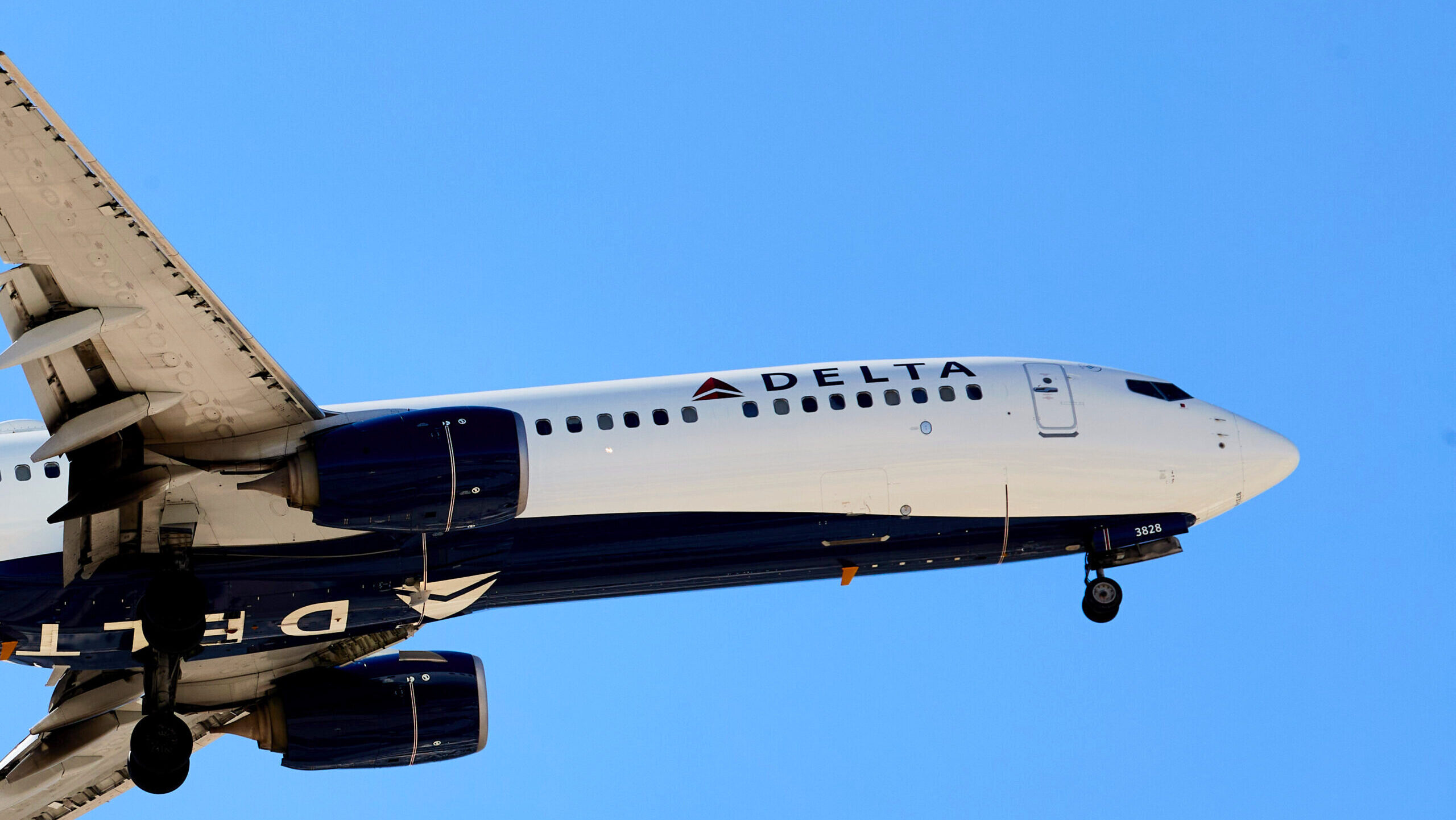
Delta reports earnings today after its CEO predicted last fall that the carrier could be cruising toward “the best fourth-quarter performance in our history.” Analysts expect Delta’s revenue to rise as much as 4% but its earnings per share to fall 17% after turbulence rattled the airline industry.
History’s longest government shutdown grounded planes across the country in October, with Delta estimating at the time that it’d take a $200 million hit as anxious fliers canceled trips and those who already booked requested refunds. At the same time, severe weather put a chill in holiday vacation plans.
Delta’s earnings today — plus reports from Southwest, United and American later this month — will show how those conditions affected the industry toward the end of last year and whether clearer skies are ahead in 2026.
More Champagne, Fewer Stroopwafels
Last year was initially expected to be bumpy for airlines as customers tightened their budgets amid tariff uncertainty, but spending didn’t fall across all demographics. Instead, K-shaped trends emerged, with higher-income consumers spending more on travel even as lower-income consumers skipped trips altogether. Airlines aimed for the top of the K by rolling out more splurge opportunities and limiting budget options:
- Delta has cut seats in its main cabin to offer more premium tickets and has intentionally stopped handing out as many complimentary upgrades as it was once known for. The airline’s premium revenue jumped 9% last quarter to make up 43% of its total haul from passengers. United also garnered gains in premium revenue last quarter as it invested in swankier lodges and upgraded seats with Starlink internet and other perks.
- Southwest’s stock climbed this year after it switched from catering to cash-strapped fliers to ones who want to pay for upgrades. Under activist pressure, the airline ditched its open seating policy and scaled back its practice of allowing passengers to check two bags for free. Its CEO said baggage fees will bring in $1 billion annually, while extra legroom upgrades will generate another $1 billion.
Outclassed: Airlines may keep drawing higher revenues from their bougier offerings throughout 2026, as Rimowa-toting travelers splurge on lie-flat seats. That could be bad news for budget airlines, notorious for a lack of recline. Spirit, which filed for bankruptcy twice within a year as of August, has struggled to maintain altitude. Bloomberg reported last month that Spirit could soon merge with another budget carrier, Frontier, to keep low-cost flights alive until customers at the bottom of the K start traveling again.