Lego Builds Record Sales by Adapting to Tariffs
The Danish toy giant also continues to benefit from the growing number of nostalgic adults buying their products.
Sign up for smart news, insights, and analysis on the biggest financial stories of the day.

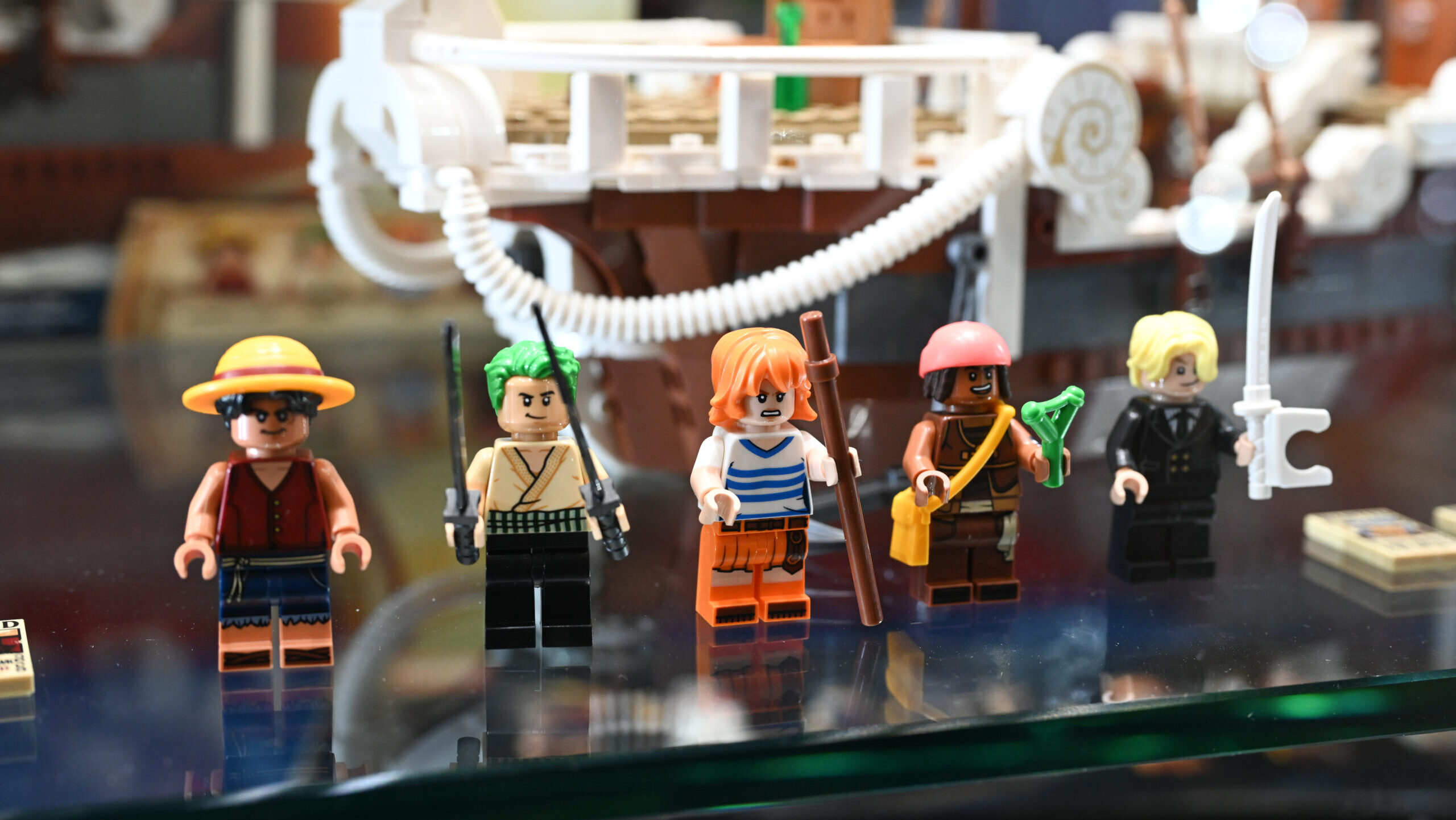
Adults who can’t keep organic plants alive are buying up Lego’s Botanicals sets, padding the Danish company’s sales (and their own living rooms) with plastic chrysanthemums and bonsai trees. Sales of the Botanicals set, along with team-ups with Formula 1 and Fortnite, helped push Lego to a record year.
Lego reported Wednesday that its revenue rose 12% to about $12.9 billion last year. The jump was fueled by 16% growth in consumer sales, well above the toy industry’s collective 7%, according to Lego. The toymaker attributed the growth to increased volume, rather than price hikes.
The company has been a post-pandemic darling, both by appealing to kidults with new toy sets and by pulling off a supply chain switcheroo that helped it handle unpredictable tariffs.
Building a Brand Brick by Brick
Lego said it launched 860 sets last year, marking its largest-ever toy collection. Half of those sets were new to market, including fresh sets from its partnership with Formula 1 (watch out, Hot Wheels). It’s also making sets in collaboration with Fortnite-maker Epic Games, as well as popular franchises Bluey and Pokémon.
Lego’s success isn’t just built on what toys it sells but how it sells them in the tariff era:
- The brick-maker has factories near, or in, the countries it sends its toys to, cutting shipping times and costs as the plants tailor their output to meet regional demand. Its Mexico plant supplies the Americas; its Hungary factory makes toys for Europe, the Middle East and Africa; and its newly opened Vietnam factory builds bricks for the Asia-Pacific region. Lego’s opening its first US plant next year.
- The toy industry has been rapidly moving its supply chain away from China. Adjusting to tariffs has been smoother for some than for others: Hasbro’s revenue rose 14% last year, while Mattel’s dipped slightly. However, Mattel expects a turnaround this year.
Kidulting: Toymakers are benefiting from the growing number of nostalgic adults buying their products. Circana data found grownups buying toys for themselves now make up as much as 30% of global toy sales. Companies beyond Lego have leaned into serving the older demo: Build-A-Bear has an after-dark collection featuring a silver fox wearing a “Zaddy” tee. At the same time, MGA Entertainment sells a surprise ball full of mini cocktails.
Recent News


-
World’s Largest Pork Producer Plans Billion-Dollar South Dakota Revamp

Photo via Smithfield Foods