Delta, Exxon Mobil Show Iran War Hitting Both Sides of Oil Trade
Delta Airlines and oil giant ExxonMobil say they’re expecting bad news for their financial statements thanks to soaring fuel prices.
Sign up for smart news, insights, and analysis on the biggest financial stories of the day.

Some companies sell oil, and some companies buy it. During the Iran war’s oil shock, they’re both taking a hit.
Delta, one of the largest US airlines, and oil giant ExxonMobil both admitted Tuesday that they’re expecting some bad news for their financial statements, thanks to soaring fuel prices after Iran effectively closed the Strait of Hormuz amid a war with the US and Israel. While President Donald Trump agreed to a two-week cease-fire with Iran on Tuesday, in exchange for safe passage through the key shipping channel, the month-long conflict has already eroded profit at travel and oil businesses around the world.
“We’ve never dealt with a maelstrom of different issues like we’re dealing with right now, thanks to the closure of the strait,” Tom Kloza, chief energy advisor for Gulf Oil, told The Daily Upside.
Riding It Out
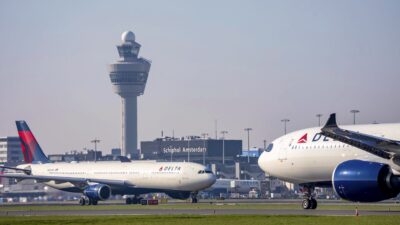
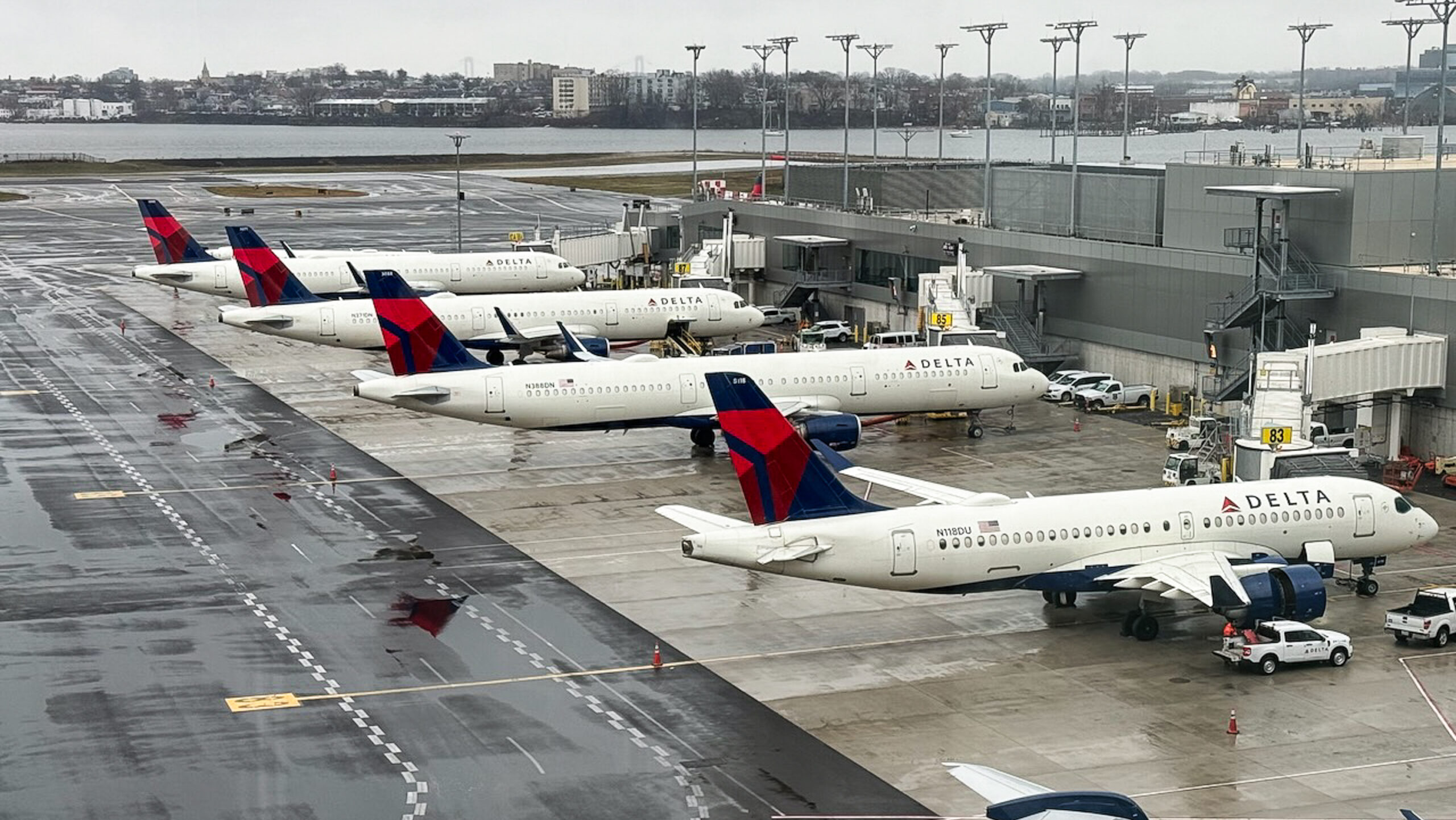
Delta said Wednesday that its jet fuel bill for the current quarter will skyrocket by $2 billion from a year ago. Ahead of the busy travel season, the airline and its rivals are grappling with how much of that extra cost they can pass on to customers. On Tuesday, Delta and Southwest hiked the price of checked bag fees for domestic flights by $10, following United and JetBlue, which raised their fees the week before. Delta is also narrowing its capacity growth for now.
ExxonMobil, meanwhile, said it expects the war’s effects on operations in the United Arab Emirates and Qatar to cut its global production by 6% in the first quarter compared to the previous quarter, according to a company filing.
While both companies’ warnings illustrate the impacts of a conflict that feels just about as unpredictable now as it did a month ago, they’re uniquely positioned to weather the storm:
- Delta is likely better off than its peers thanks largely to an oil refinery it bought in 2012, which the airline expects to provide a $300 million benefit this quarter.
- ExxonMobil has “so many assets that are beneficiaries of higher prices that that probably insulates them,” Kloza says. The company may take “a couple of little bruises” from Persian Gulf operations and shortages, but ultimately, “I can’t imagine them having a better backdrop,” he adds.
More Warning Signs: Phillips 66 is setting expectations, too. The energy company said in a filing Monday that its first-quarter earnings results were impacted by roughly $900 million in pre-tax mark-to-market losses due to the jump in commodity prices.