Energy Market Disruption From Iran Conflict Flows into Gas Pumps
Oil prices are surging as Iran’s counterattacks on the US and Israel curbed shipments through the Strait of Hormuz.
Sign up for smart news, insights, and analysis on the biggest financial stories of the day.

Take a deep breath. Since Israel and the United States began striking Iran in the early hours of Saturday, ship traffic in the Strait of Hormuz, passage to a fifth of the world’s daily crude supply, has come close to a halt amid Tehran’s threats to attack vessels. After a drone attack on Monday, Aramco suspended operations at Saudi Arabia’s largest refinery, a key export hub that processes 550,000 barrels of oil per day. The same day in Qatar, a supplier of 20% of the world’s liquefied natural gas, state-owned QatarEnergy halted LNG production. And on Tuesday, Iraq, the second-largest OPEC producer, began massive production cuts as the Hormuz standoff threatens to overwhelm storage capacity. And breathe in again.
Is that everything? At this rate, probably not. But it’s a snapshot of the enormous pressure energy markets are facing this week. And pricing signals back home in the US indicate cost hikes are materializing quickly.
Potpourri of Petroleum Problems
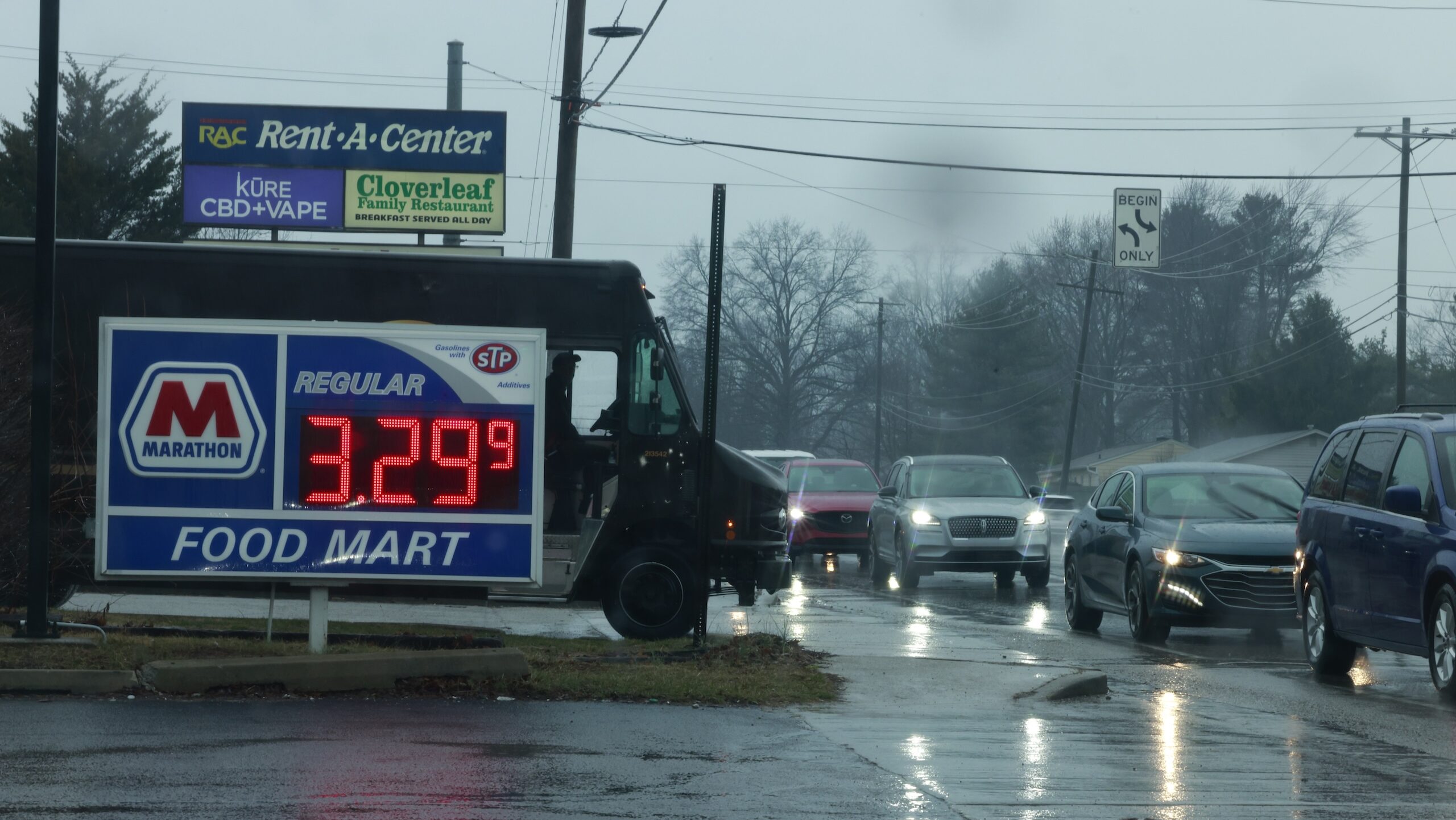
Futures in Brent crude, the international oil benchmark, rose $4.7% to a $81.40 per barrel on Tuesday, the highest since January 2025. They’re up roughly 12% since Saturday. Crude oil, of course, is the essential ingredient in gas and diesel fuel, meaning when it goes up, prices at the pump often follow. The price of unleaded in the US jumped 11 cents overnight Tuesday to $3.11 a gallon, according to AAA. That was the biggest single-day jump in four years. Fuel distributor Gulf Oil projects it could peak between $3.25 and $3.50 this spring.
The White House clearly took notice. Brent pulled back from a session high on Tuesday after President Donald Trump announced the US will provide naval escorts to tankers as soon as possible. He also said the federal government will offer insurance and guarantees for Gulf maritime trade, a crucial step after leading maritime insurers began canceling war risk coverage for vessels in the Gulf. Other considerations are also at play:
- Exposure to the Strait of Hormuz varies considerably: The Americas import just 12.5% of oil from the strait, while China imports 45.7%, according to Kpler. No wonder Beijing called on all parties to protect tankers in the region (China’s also the world’s largest LNG importer, and its intervention could help European countries slammed by rising prices).
- Former broker and current transport industry consultant Rob Carpenter observed that, while the US is the world’s largest oil producer and churned out a record 13.6 million barrels per day in 2025, federal officials estimated refining capacity would fall 3% by the end of last year. He also pointed to pipeline takeaway capacity, often unable to keep up with production in the Texas oil basin, arguing that fixing domestic bottlenecks would reduce costs for consumers and reduce exposure to global disruptions.
No Telling from Here: Trump has said the Iran campaign may last five weeks or “far longer than that.” In the meantime, it might be wise to fill up the tank.
Recent News


-

Photo by https://unsplash.com/photos/condo-neighborhood-in-the-suburbs-ROVuTYG_jso via Unsplash -
Photo illustration by Connor Lin / The Daily Upside