Fed’s ‘Goldilocks’ Economic Strategy Disintegrating amid Hormuz Strikes
Markets are pricing in practically no chance of a rate cut when officials meet later this month, according to the CME Fedwatch.
Sign up for smart news, insights, and analysis on the biggest financial stories of the day.

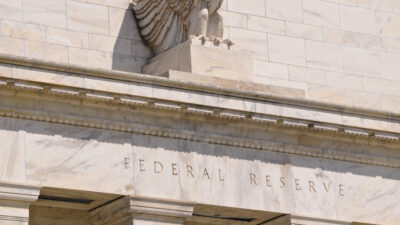
Jerome Powell’s Goldilocks economy just found a wolf at the door. Since 2012, the Federal Reserve has explicitly targeted a long-run inflation rate of 2%. Officials believe it’s the best way to promote a not-too-hot, not-too-cold economy with stable prices and maximum employment. A budding energy crisis due to the Iran war, however, is complicating matters.
Government figures released this week show US inflation held steady at 2.4% in February, a sign the economy was moving toward the Fed’s Goldilocks scenario. But, because the US-Israel war with Iran began on February 28, the data point is already more dated than a frosted mullet.
Rockets and Feathers
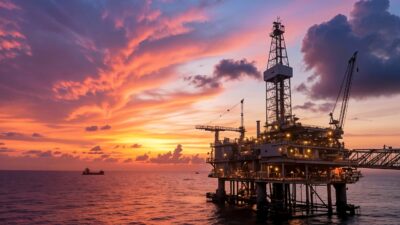
Indeed, the United Kingdom Maritime Trade Operations confirmed a new attack in the Persian Gulf on Thursday, bringing to 16 the total number of vessel strikes relayed to the Naval Reserve-manned group. As a result, the world’s most important oil chokepoint, the Strait of Hormuz, remains in near shutdown, threatening sustained high energy prices. Brent crude futures rose 9.2% to $100.46, topping $100 for the second time in less than a week. The average US gas price rose to $3.60 per gallon, up 22% from a month ago, according to AAA.
“Given this situation, we suspect that US headline inflation will move back above 3% during the second quarter and may not drop below 3% until the end of the year,” wrote James Knightley, ING’s chief international economist, adding that transport, logistics and travel costs are likely to rise. “We must acknowledge the risk that 2% inflation isn’t achieved until the second half of 2027.” Loyola Marymount economics professor Sung Won Sohn said energy inflation may persist well after the conflict ends. A senior economist in the Nixon White House (an administration very familiar with oil crises), he explained this is due to a “rockets and feathers” effect in which prices climb quickly and later drift down slowly:
- “When crude oil prices suddenly rise, retailers know that the next shipment of fuel will cost more,” Sohn wrote in a blog post. “As a result, they raise gasoline prices quickly in order to avoid selling current inventory too cheaply.”
- “When oil prices fall, however, retailers may still be selling gasoline that was purchased earlier at higher prices,” he continued. “Until that inventory is replaced with cheaper fuel, prices at the pump tend to fall gradually rather than immediately.”
What Now for the Fed? Markets are pricing in practically no chance of a rate cut when officials meet later this month, according to CME Fedwatch. More traders are pushing their expectations of a cut to September from June, with some even betting the Fed will hold rates steady all year.