Shell Pumps Out Dividend Hike Despite Slippery Oil Prices
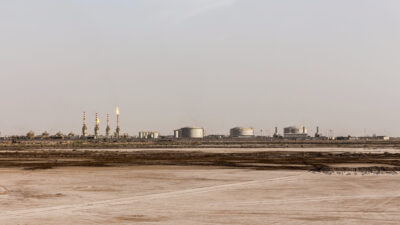
UK oil major Shell posted its weakest quarterly profit in nearly half a decade on Thursday, sending its New York-listed shares down 5.3%.
Sign up for smart news, insights, and analysis on the biggest financial stories of the day.

Even in normal times, finding a firm footing in the oil business is a slippery endeavor.
UK oil major Shell posted its weakest quarterly profit in nearly half a decade on Thursday, sending its New York-listed shares down 5.3%. The drop occurred less than a week after US major Chevron reported declining profit, though that company’s shares have risen 4.7% since, thanks partly to its unique upside in Venezuela, the South American nation the Trump administration plans to “run” after deposing its president.
Oil Things Considered
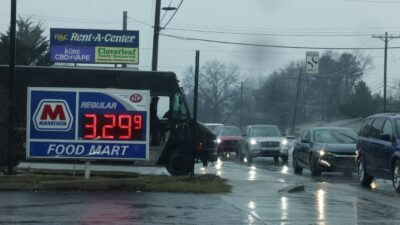
Crude prices remain in low-margin territory for many producers, and most oil supply estimates don’t suggest that will change any time soon. Brent and West Texas Intermediate benchmarks are down roughly 10% in the past year. The tumbling prices helped trim Shell’s adjusted earnings to $3.3 billion in the fourth quarter, the lowest since the early days of 2021. Like the quarterly numbers, Shell’s full-year adjusted earnings of $18.5 billion, down from $23.7 billion a year earlier, were weaker than Wall Street expected.
Chevron’s net income, also constrained by crude, fell 14% to $2.8 billion. However, the US major still beat analysts’ expectations, and CEO Mike Wirth played to Wall Street’s belief that his firm, the only US producer operating in Venezuela, is best positioned to capitalize on Trump’s plans. The company said last week that it could ramp up its Venezuelan oil output by 50% in the next two years without requiring new capital. Shell, for what it’s worth, said it’s considering multibillion-dollar investments in Venezuela that CEO Wael Sawan told CNBC “could be activated in months.” Nevertheless, both firms will still have to contend with the global geopolitical dance around the oil glut:
- Crude production from the Organization of the Petroleum Exporting Countries (OPEC) dipped considerably last month, mostly due to the US strike in Venezuela. A Bloomberg survey found OPEC pumped 28.8 million barrels per day, down 230,000 from December.
- But OPEC doesn’t control everything. The US Energy Information Administration forecasts that global liquid fuels production will rise by over 1.2 million barrels per day this year, with roughly 60% of that increase coming from the US, Canada, Guyana and Brazil (the latter of which is in OPEC+, which is not bound by OPEC production cuts).
The Shareholder Is Always Right: Even as profits slumped, Shell increased dividends by 4% and handed investors $3.5 billion in buybacks, marking its 17th consecutive quarter with at least $3 billion in repurchases. Chevron also boosted its dividend last week. Lower oil prices have raised concerns that shareholder payouts may suffer, with some fears realized Wednesday when Norway’s Equinor cut buybacks by 70% following a 22% dip in profit. In a note, Hargreaves Lansdown said it is “not too concerned” about Shell’s declining profitability and cash flow given its strong cash generation and “robust balance sheet,” but added that amid depressed energy prices, “no payouts can be guaranteed in future quarters.”
Recent News

-

Photo via Chen Mengtong/China News Service/VCG/Newscom