Johnson & Johnson Crushes Patent, Pricing Probs
The company is vying to become the first among its healthcare peers to make $100 billion in annual revenue.
Sign up for smart news, insights, and analysis on the biggest financial stories of the day.

Johnson & Johnson is vying to become the first among its healthcare peers to make $100 billion in annual revenue. The pharma company said yesterday it broke past $94 billion in 2025 and expects to reach 12 figures this year. Both measures, along with last quarter’s revenue of nearly $25 billion, exceeded analysts’ estimates.
Expectations for next year were especially rosy considering Johnson & Johnson agreed to slash drug prices this month as part of a deal with the Trump admin to exempt its products from tariffs. Chief Financial Officer Joseph Wolk said that the deal would cost “hundreds of millions of dollars,” but J&J’s strong portfolio was “digesting” the impact — like it was sketchy sushi, not a nine-figure hit.
J&J’s optimism could allay investors’ concerns about another tummy ache: the expiration of exclusivity patents for its blockbuster psoriasis drug, Stelara.
Patent Cliff? J&J Prepped a Parachute
Johnson & Johnson seems to be gliding above Stelara’s sales dropoff. As competitors including Amgen’s Wezlana entered the market, sales of Stelara fell more than 40% last year to about $6 billion. That dropoff was steeper than analysts predicted.
However, J&J is offsetting the losses with climbing sales across its other products:
- Six of J&J’s cancer drugs saw sales jump more than 20% last quarter, with blood cancer treatment Darzalex raking in more than $14 billion. Carvykti, a newer multiple myeloma drug, reached blockbuster status after making more than $1 billion in annual revenue. Outside of oncology, sales of psoriasis treatment Tremfya also climbed.
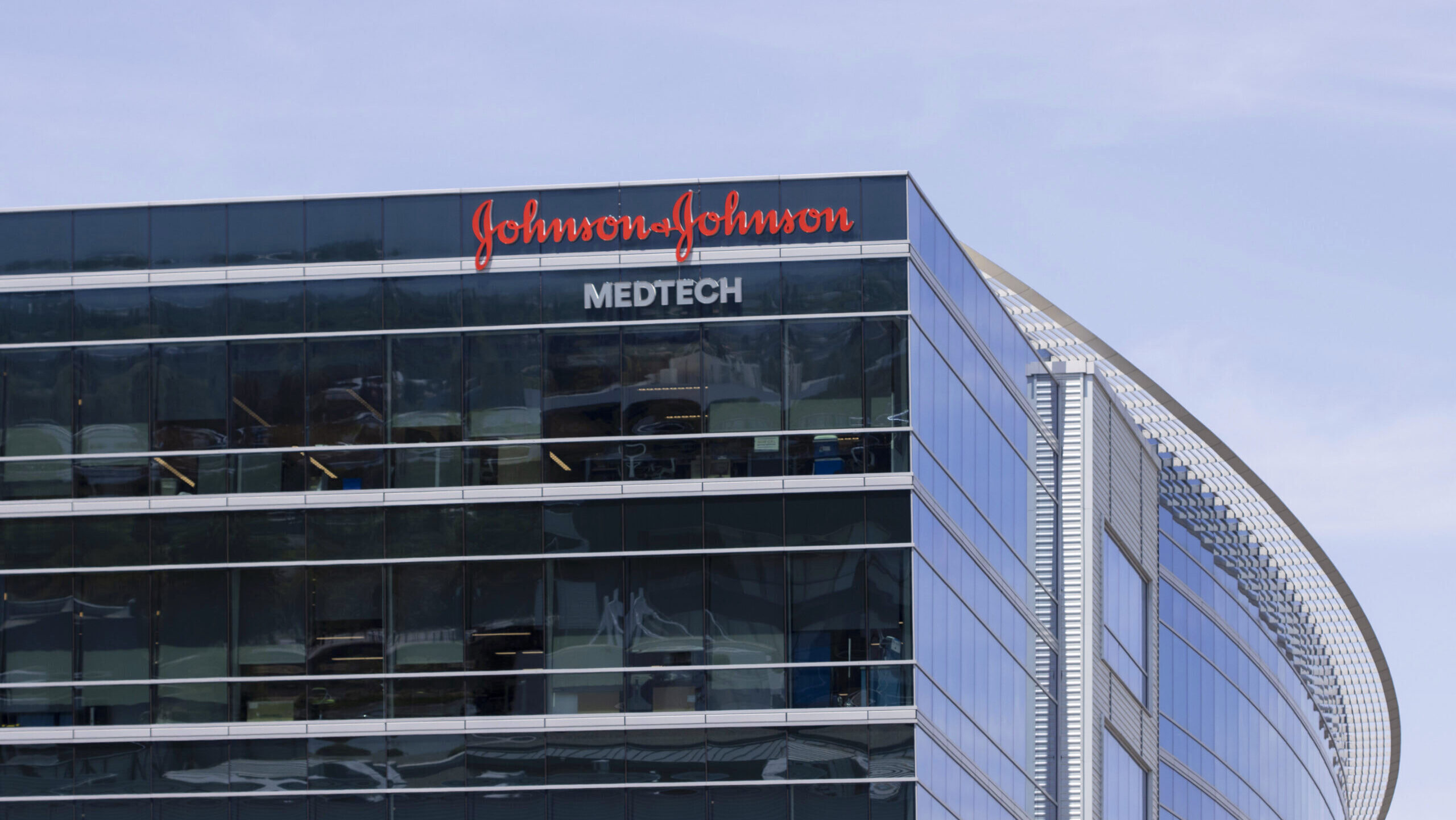
- J&J reported strong growth in its medical device unit, MedTech, which accounts for more than a third of the company’s revenue. Sales in the business rose nearly 8% last quarter.
Tough Pills: J&J sets the tone for the rest of the healthcare industry: Eli Lilly and Amgen are set to report in the first week of February. J&J seems confident it can absorb costs stemming from President Trump’s drug-pricing deal; 15 other companies have negotiated their own agreements. But J&J has another trial, literally, hanging over it. A special master on Tuesday recommended allowing expert testimony supporting the link between J&J’s talc products and ovarian cancer. J&J faces more than 73,000 suits related to its baby powder, which it stopped selling in 2020, and other talc-containing products.