Merck Preps for End of Keytruda Exclusivity with $6.7B Deal for Leukemia Treatment
The key patent protections on Keytruda, Merck’s immunotherapy treatment that outsold all other prescription drugs last year, ends in 2028.
Sign up for smart news, insights, and analysis on the biggest financial stories of the day.

One executive’s patent cliff is another executive’s lucrative exit.
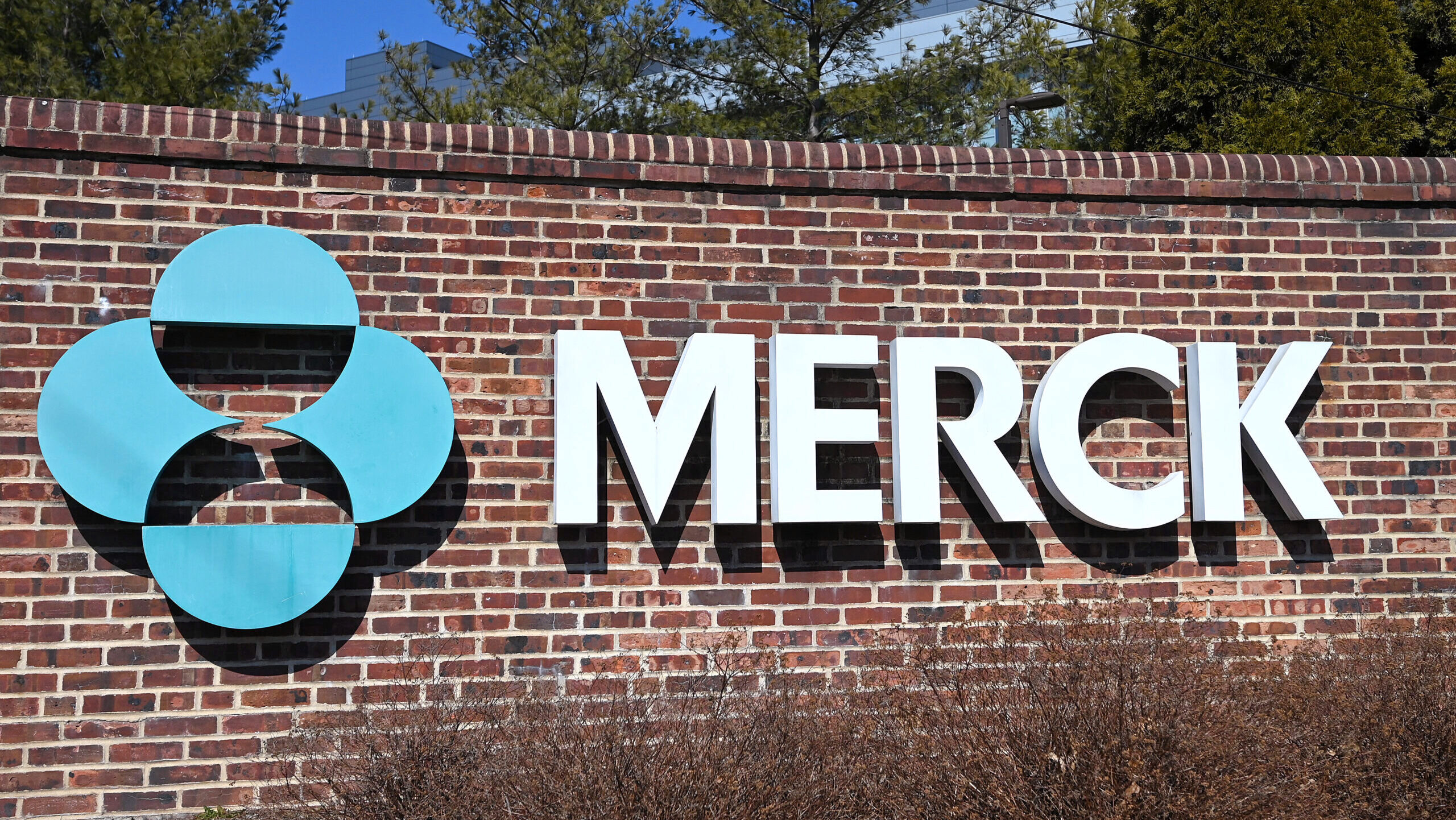
German pharmaceutical giant Merck revealed Wednesday that it’s paying $6.7 billion for Terns Pharmaceuticals, as it tries to bridge a multibillion-dollar gap when its bestselling Keytruda comes off patent.
Patent Drop
The key patent protections on Keytruda, a Spielberg-level blockbuster immunotherapy treatment that outsold all other prescription drugs last year, end in 2028. As a result, some $31.7 billion in sales, or nearly half of Merck’s $65 billion total revenue in 2025, is at risk in the next few years.
That one-two punch of federal drug pricing and cheaper knockoff biosimilars defines the potential exposure. But, keen not to end up a relic on the pharmacy shelf, executives have gone on an aggressive shopping spree for new drugs. Last year, Merck earmarked $9.2 billion to acquire Cidara Therapeutics, which is developing a treatment that provides long-lasting passive immunity against the flu. In an even bigger deal, executives spent $10 billion to acquire respiratory drugmaker Verona Pharma. The deal for Terns, which is developing a best-in-class treatment for a type of leukemia in a market worth potentially billions, is seen by some analysts as too good to be true:
- Merck’s offer of $53 per share is only a 6% premium over Terns’ Tuesday closing value, which BMO analysts wrote would make it “one of the best deals the company has made since its spree began.”
- In fact, RBC Capital Markets analysts wrote that it’s such a sweet deal that competitors like AbbVie and Bristol Myers Squibb may look at it and throw their hat in the ring: “We think the premium of only 6% opens the door for competing bids from other potential acquirers.”
Doctor-Tested, Bull-Approved: Pharmatech company DeepCeutix, citing US patent data, estimates over $300 billion in prescription drug revenues will lose patent exclusivity in the run-up to 2030. That’s roughly one-sixth of the pharmaceutical industry’s total revenue. Of the 10 largest firms in the industry, half have more than 50% revenue exposure, prompting an industry-wide M&A bonanza to develop new revenue sources. Investors are so far bullish on the acquisition spree: Merck’s shares are up 35% in the past 12 months, and the State Street SPDR S&P Biotech ETF is up 42%.