Neurotech Startup Treating Blindness Nabs $1.5 Billion Valuation
Science Corp., a brain-implant startup developing a device that can enable blind people to see again, just raised $230 million from investors.
Sign up for smart news, insights, and analysis on the biggest financial stories of the day.

A neurotech startup just raised $230 million from investors for its mission: restoring eyesight to the blind. The round is said to have boosted Science Corp.’s valuation to $1.5 billion, making it the second-most-valuable brain-implant startup behind Elon Musk’s Neuralink.
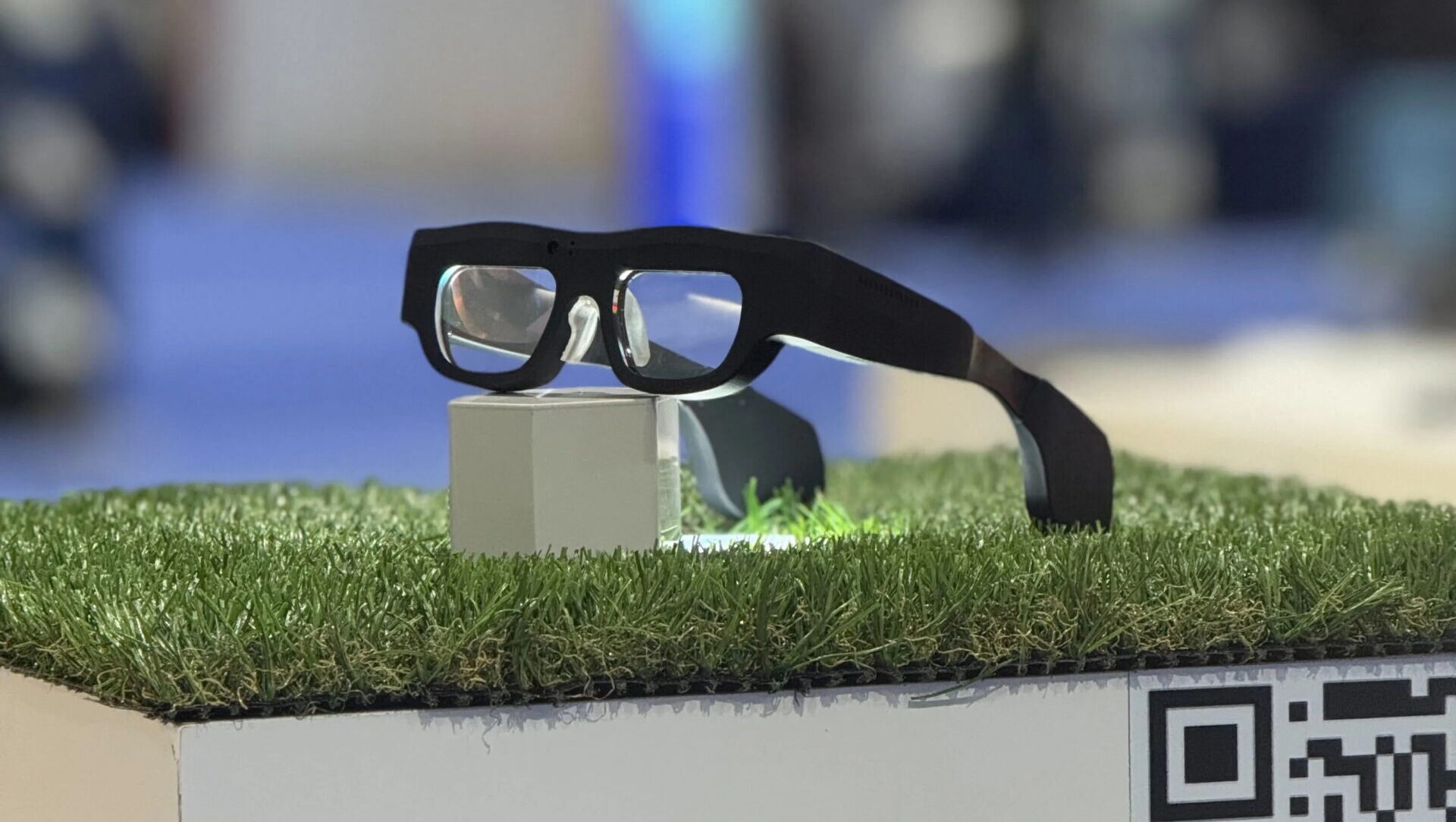
Science’s PRIMA chip sits on the retina and pairs with specially designed glasses to project images back. The current version has been successful in treating patients with macular degeneration, and the company’s conducting clinical trials to see if its implant can help with Stargardt disease and retinitis pigmentosa, top causes of vision loss in younger patients.
The tech could be the biggest breakthrough in brain-computer tech since the cochlear implant to enable better hearing.
Racing to Market
CEO Max Hodak founded Science Corp after departing Neuralink, which he cofounded and where he served as president. Hodak said Science will be the first company to bring a brain chip to market, meaning it’ll get ahead of Neuralink, which is also working on vision-loss chips in addition to its other chips.
Science expects the EU to approve its CE mark application in mid-2026, and Germany is likely to be the first country in which its chips could go public. Science is in talks with the FDA to bring the chip stateside, where its past success in clinical trials could set it up for an expedited FDA breakthrough designation. But it’s not alone:
- Elon Musk said in January that Neuralink plans to start mass production of its brain interfaces this year. So far, the company said it has implanted 21 people with its chips focused on treating spinal cord injuries. Neuralink is also developing a vision-restoring chip that it said will be given to its first patient this year.
- There’s more competition beyond the top two brain-chip startups, including Synchron and Precision Neuroscience. Companies focused on creating noninvasive brain-computer interfaces, like Sam Altman’s Merge Labs and its ultrasound devices, are also racing to develop their tech.
Big Brain Moves: Neuralink has generated the most buzz for the industry in viral videos showing how brain implants can help a monkey play “Pong,” and later, help humans with spinal cord injuries. That hype’s helped legitimize the tech, which may’ve seemed like sci-fi not long ago. And recent funding rounds show that venture capitalists take the sector seriously, too. Getting approval and actually heading to market are the next hurdles for brain interface-makers, which competition and public anticipation could help speed up.
Recent News
-

Photo via Bob Henry/UCG/Universal Images Group/Newscom


-

Photo via Florian Gaertner/IMAGO/BMF/Newscom