Oh no, Ozempic! Eli Lilly’s New Weight-Loss Drug KOs Rival Treatments
The company also said earlier this week it will drop $6 billion on a new manufacturing facility in Huntsville, Alabama.

Sign up for smart news, insights, and analysis on the biggest financial stories of the day.

How do you swear in Danish? Our AI chatbots are much too polite to help us out here, but we suspect you would have heard them all echoing outside the offices of Novo Nordisk yesterday.
Eli Lilly, its leading rival in the burgeoning weight-loss drug market, announced trial results for an experimental obesity drug that helped patients lose more weight than with any other treatment on the market.
Feeling Dizzy
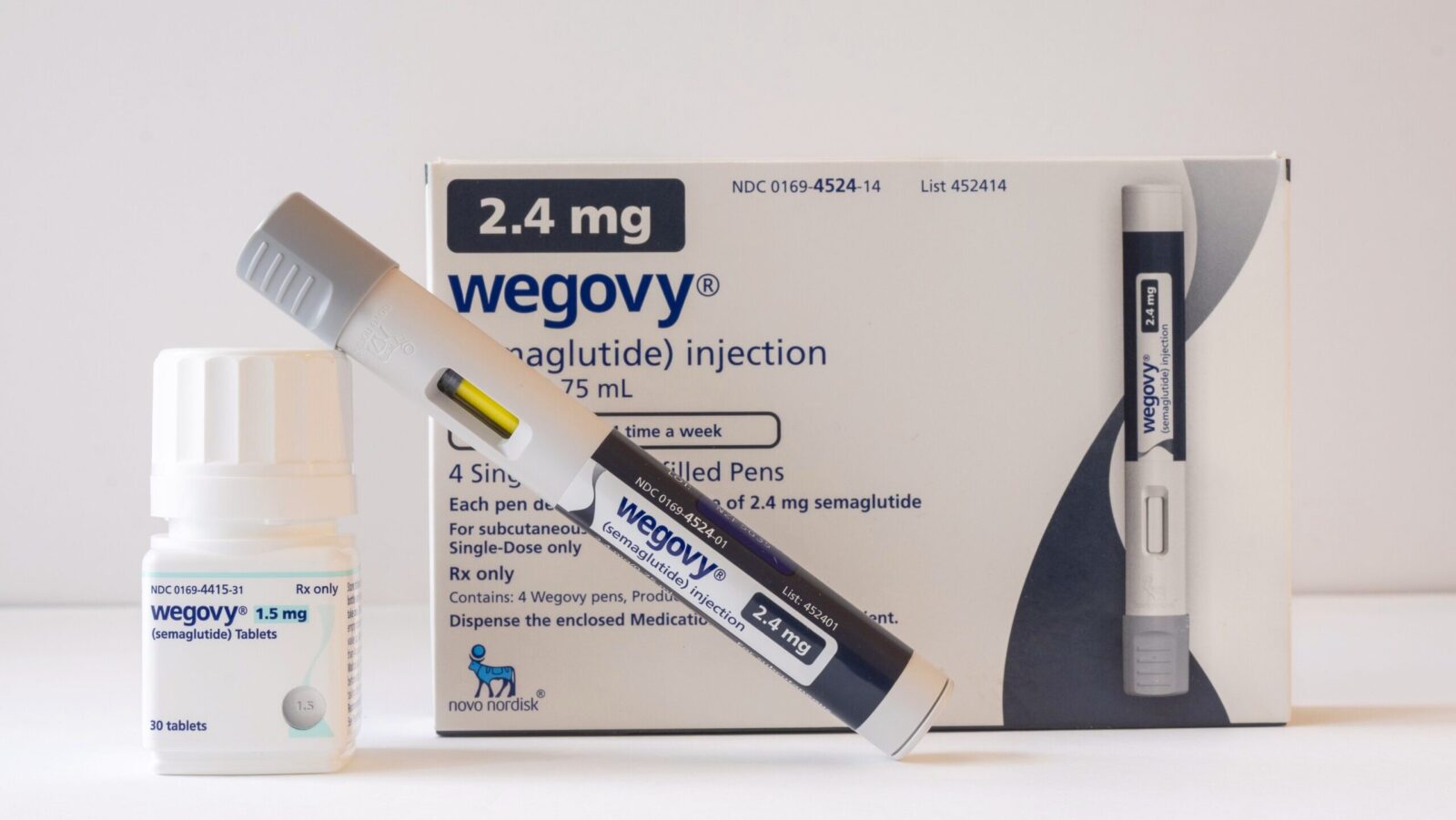
Indianapolis-headquartered Lilly is now the heavyweight of the weight-loss drug market, with its Mounjaro (for diabetes) and Zepbound (for obesity) knocking Danish rival Novo Nordisk’s formerly dominant Ozempic/Wegovy offering against the ropes. Shares of Lilly are up over 30% in 2025, and last month it became the first pharma firm to reach a $1 trillion valuation. Novo, with its slashed forecasts amid turnaround struggles, has, by contrast, seen its Copenhagen-listed shares fall 48.7%, wiping out nearly all its gains since Wegovy won FDA approval for weight-loss treatment in 2021.
Lilly’s new coup is retatrutide. The injectable treatment, which the marketing department will surely christen with a name that sounds less like a forgettable Weezer album, targets three hormones that help regulate a patient’s appetite and metabolism. There’s the well-known GLP-1, which is affected by Novo’s Wegovy and Lilly’s Zepbound, and there’s GIP, which is affected by Zepbound. Retatrutide adds glucagon to the list. A 68-week clinical trial of 445 people with obesity and knee arthritis found those taking a weekly 12-milligram dose of retatrutide lost an average of 71.2 pounds, or 28.7% of their body weight. This is a big deal: Zepbound averages 21% weight loss and Wegovy, 15%. Analysts at BMO, in their bull case scenario, said retatrutide might achieve an average 25% weight loss. The trial also saw reports of major reduction in arthritis-related knee pain. Full results in a peer-reviewed journal are forthcoming but, in the meantime, there is one rather nauseating caveat:
- Retatrutide’s tolerability data, which records how patients handle treatment, showed about 18% of patients on the 12-milligram weekly dose ceased treatment due to side effects like nausea (which 43% of patients reported). JPMorgan analysts noted this is “somewhat worse vs. Zepbound, though not surprising.”
- Lilly said patients’ dropouts were “highly correlated” to their starting body mass and were the result of “perceived excessive weight loss.” The company said dropouts among those with a BMI of 35 or more were 12%, closer to Zepbound and Wegovy’s rates, suggesting it could position the drug for patients with a higher starting BMI.
No Letting Up: Lilly is not letting up. Earlier this week, the company said it will drop $6 billion on a new manufacturing facility in Huntsville, Alabama, to produce its experimental obesity pill, orforglipron, and other next-generation obesity and metabolic disease treatments. That follows a February commitment of at least $27 billion in new spending for four new US plants.