Artemis II Heads to Moon as SpaceX, Rivals Build Lunarconomy
NASA is teaming up with a host of private companies to build a lunar economy ready to welcome humans to the moon’s inhospitable surface.
Sign up for smart news, insights, and analysis on the biggest financial stories of the day.

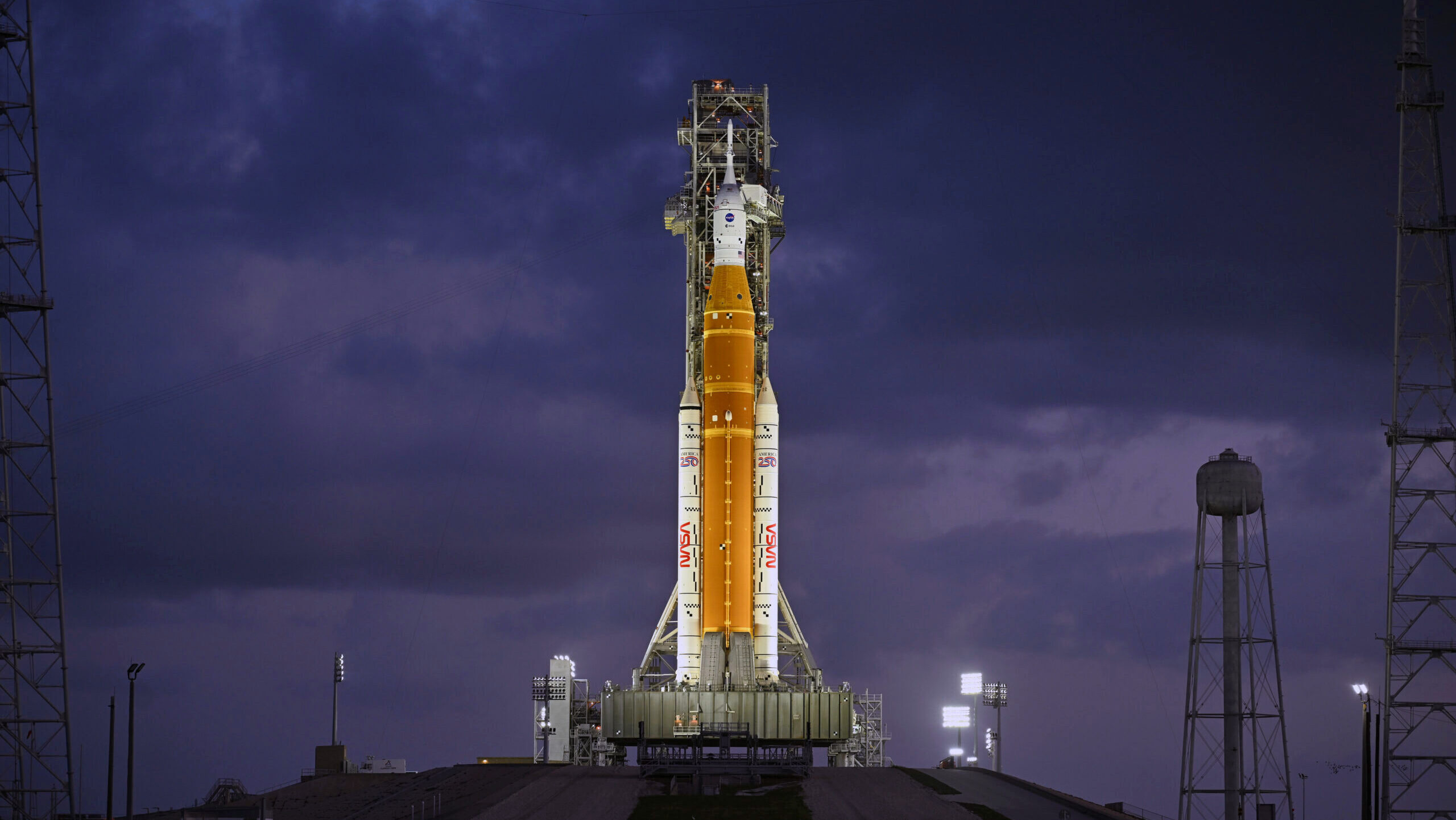
Artemis astronauts took off for the moon yesterday in the first crewed mission to Earth’s only natural satellite since 1972. Over the next 10 days, they’ll slingshot around the celestial body while testing the space capsule systems they’ll need for a future landing.
The mission is Part 2 of 5. Artemis I successfully flew an uncrewed spacecraft around the moon in 2022. NASA is targeting 2028 for the first group of humans to kick up razor-sharp moon dust with their space boots since Neil Armstrong & Co. during the Apollo era half a century ago.
As Americans get closer to touching down on Earth’s crater-covered cousin, NASA is teaming up with a host of private companies to build a lunar economy ready to welcome humans to the moon’s inhospitable surface.
The Moon Is Made of Cheddar
The green kind, not yellow. SpaceX, which confidentially filed for an IPO yesterday, is one of several companies with its sights set on the moon. CEO Elon Musk said last month that he wants to build a “self-growing city” on the moon within 10 years and that he’d prioritize his lunar ambitions over the startup’s previous focus on colonizing Mars. SpaceX is one of the companies to which NASA awarded a multibillion-dollar contract to build a lunar lander for the Artemis moon missions; Jeff Bezos’s Blue Origin also holds a contract to build an Artemis lander.
The roles of both companies may grow as Artemis missions progress, and NASA seeks cost-effective options beyond the legacy companies it has counted on so far. (The spacecraft launched yesterday was built by Boeing, Northrop Grumman and Lockheed Martin.)
Other companies contracted with NASA are building infrastructure on the moon:
- NASA plans to spend $20 billion constructing a base that’ll establish humans’ ongoing presence on the lunar surface. The plan will involve deploying a functioning system of hardware, from rovers to power generators, and contracting companies to make it happen.
- One of those companies, Intuitive Machines, scored its fifth award from NASA last week to help build lunar infrastructure. The startup plans to deliver seven payloads to the moon’s south pole, including lunar rovers and tools that’ll analyze chemicals and radiation levels.
Uncharted Territory: The moon doesn’t belong to any one country, even though Americans are the only humans to have set foot on it. Under the Outer Space Treaty of 1967, countries can’t claim sovereignty over a celestial body. However, the US passed legislation in 2015 that said countries can claim the resources they scour from space. Divvying up the moon could get complicated when other countries follow the US there. No. 2 economy China is planning a crewed lunar landing by 2030.
Recent News




-

Photo illustration by Connor Lin / The Daily Upside, Photos via © Boeing and Daniel Eledut via Unsplash -
Photo illustration by Connor Lin / The Daily Upside, Photos via Waymo, Zoox, and Tesla




-
Photo illustration by Connor Lin / The Daily Upside, Photos by Andrey Krav and Frentusha via iStock