NASA Scopes Out $30 Billion Base on Moon’s Surface
The space agency also said Tuesday that it is planning to build a new nuclear-powered robotic spacecraft to launch to Mars by 2028.
Sign up for smart news, insights, and analysis on the biggest financial stories of the day.

Like your aunt and uncle who finally bought that property in Hilton Head after dozens of annual vacations, NASA is looking for somewhere to call home for its off-planet excursions.
On Tuesday, the government space agency announced plans to build a base on the moon, redirecting $20 billion originally intended for a space station in lunar orbit. It’s a massive project that will take years to pull off. But as your aunt or uncle would say, it just makes more sense this way. And, like you, private space companies are sitting around waiting for an invite.
Space Jockeys
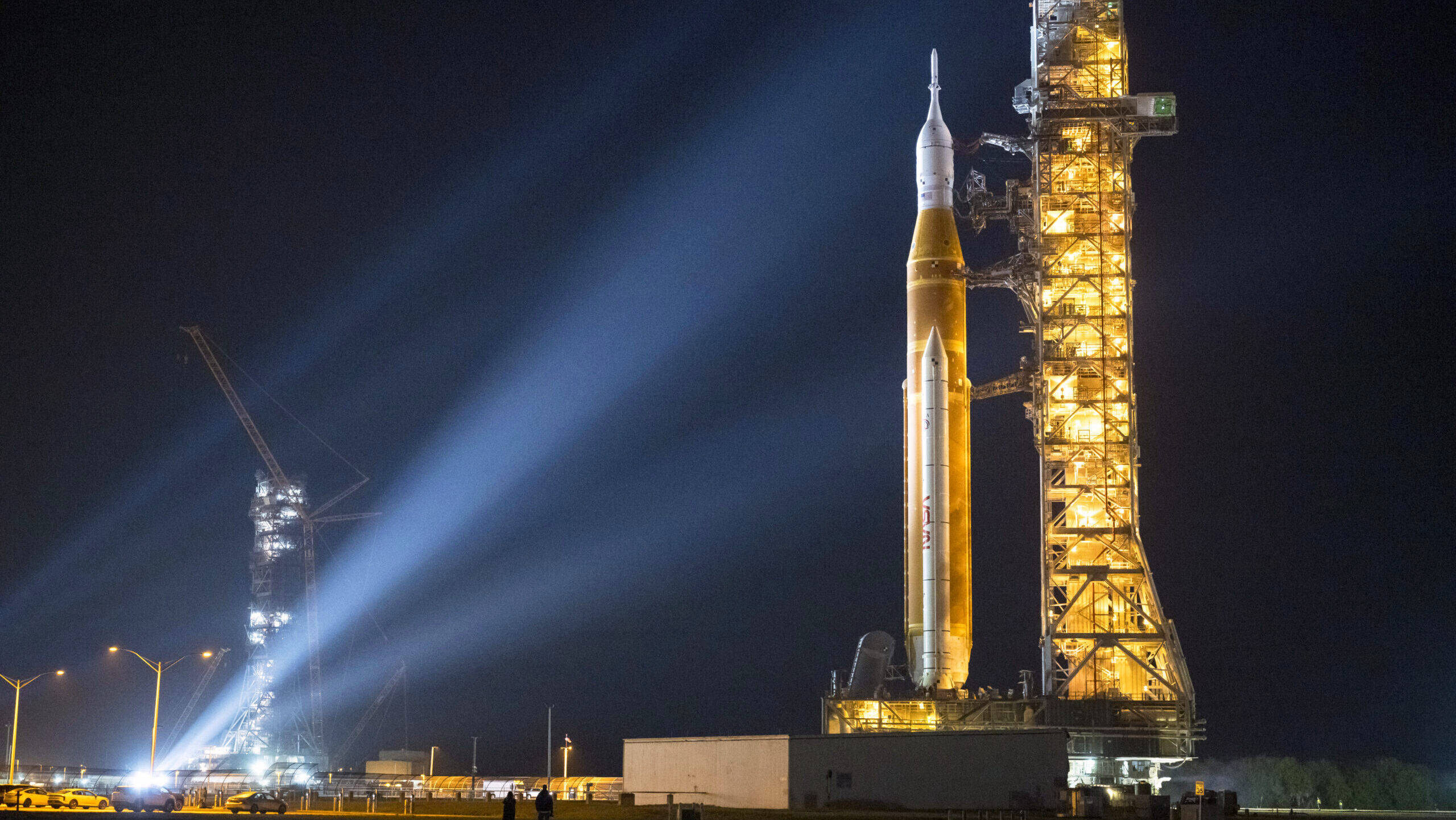
The plan, NASA insists, is hardly a Project Hail Mary. Barely even a moonshot, really. It comes after roughly a decade of renewed interest and investment in lunar travel that have led to the Artemis II mission, set to launch as soon as April 1. That venture will mark the first manned trip to the moon (for a flyby, not a full landing) since 1972. After that, the US plans to send humans back to the surface by 2028, with initial construction of the moon base by 2030. China, meanwhile, is planning its own lunar landing that year, creating something of a New Age space race.
Following the 2028 landing, NASA intends to make twice-yearly trips to the moon in preparation for the moonbase. The plan calls for repurposing equipment originally intended for the abruptly canceled Gateway lunar-orbit space station and tapping at least two private companies to help complete the task. Delays and blown budgets for the Gateway project, however, reveal that the planned moonwalk is still no cakewalk. Meanwhile, most of the major space companies jockeying for key contracts have been experiencing some very terrestrial turbulence recently:
- For instance, NASA backed out of a years-old plan to use Boeing’s Space Launch System to propel a Lockheed Martin-built Orion crew capsule to the moon as part of its Artemis mission, sources told Bloomberg earlier this month, with the rockets to be replaced by SpaceX’s Starship launch vehicle.
- That’d be good news for SpaceX, which has also been tapped along with Blue Origin to build a lunar lander. However, a government audit earlier this month found that both companies face ongoing technical challenges that could cause significant delays; NASA had already bumped its moon landing plans from 2027 to 2028.
In total, NASA said completing the project over the next decade would cost $30 billion. That would require new funding from Congress.
Going Nuclear: The space agency also said Tuesday that it plans to build a nuclear-powered robotic spacecraft to send to Mars by 2028. That trip will involve deploying helicopters to the Martian surface, where a NASA rover recently discovered the oldest evidence yet of water once flowing on the planet.
Recent News

-

Photo illustration by Connor Lin / The Daily Upside, Photos via © Boeing and Daniel Eledut via Unsplash




-
Photo illustration by Connor Lin / The Daily Upside, Photos by Andrey Krav and Frentusha via iStock



-
SpaceX, Private Ventures Fuel Elon Musk’s Trillion-Dollar Dreams

Photo illustration by Connor Lin / The Daily Upside, Photos by SYSPEO/SIPA/Newscom and Frentusha via iStock