Mideast Sovereign Wealth Funds Back Paramount’s WBD Takeover
Saudi Arabia’s Public Investment Fund, the Qatar Investment Authority, and Abu Dhabi’s L’imad Holding Co are all aboard, per the WSJ.
Sign up for smart news, insights, and analysis on the biggest financial stories of the day.

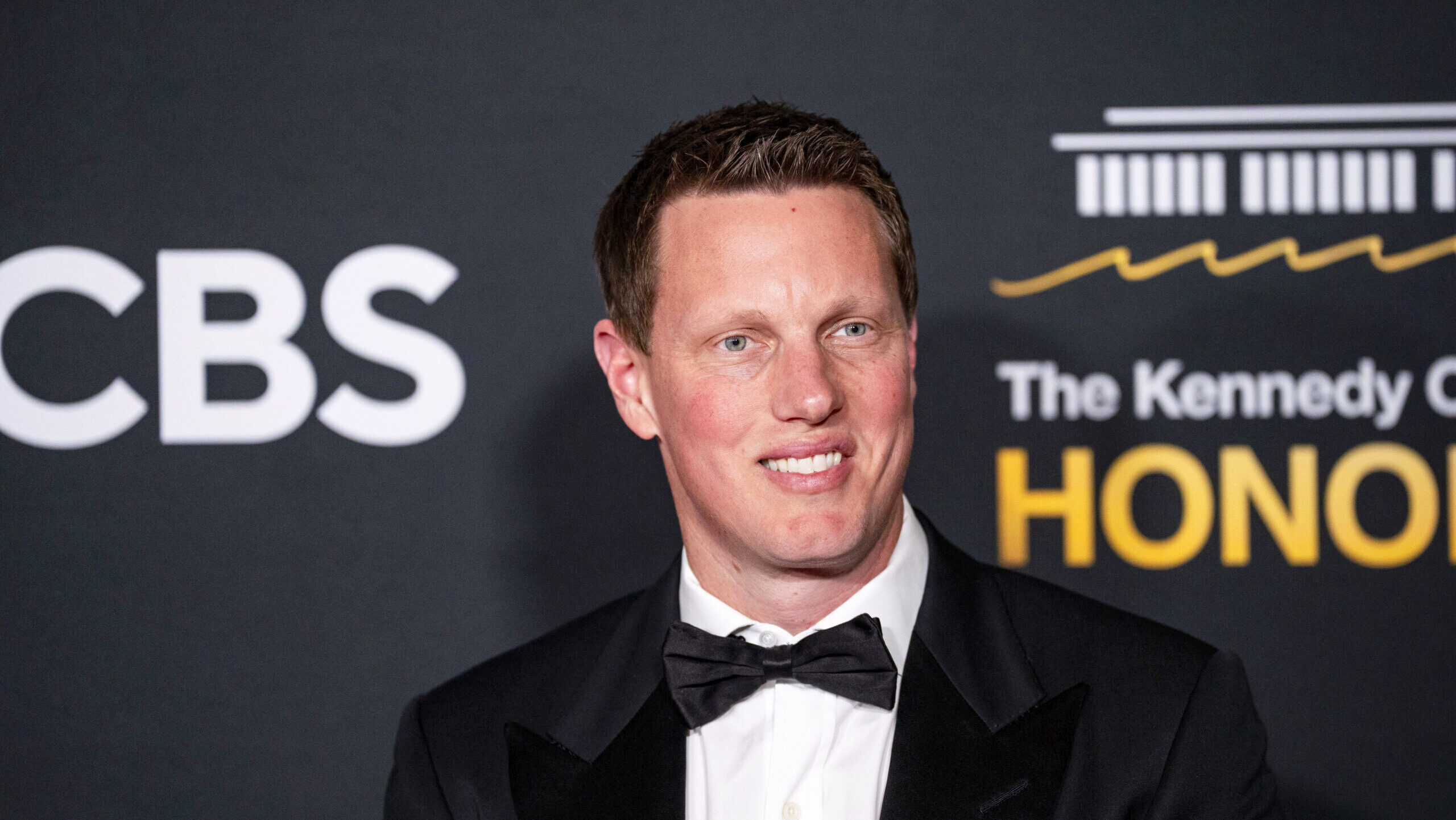
David Ellison is building a media empire with a “Founders’ Fortune” and a Gulf-state backstop.
To complete its $81 billion takeover of Warner Bros. Discovery (WBD), Ellison’s Paramount Skydance has secured $24 billion in combined funding from Saudi Arabia’s Public Investment Fund, the Qatar Investment Authority, and Abu Dhabi’s L’imad Holding Co, sources told The Wall Street Journal. That sheds new light on internal valuations and ownership stakes in the planned post-merger mega media company.
California Dreaming
The sovereign wealth funds were hardly the only players who saw the deal as a chance to fulfill some Hollywood dreams. Chinese tech and video game giant Tencent initially agreed to back Paramount’s bid, but has since dropped out, sources told the WSJ. Ditto Affinity Partners, Jared Kushner’s investment firm.
Meanwhile, private equity giant Apollo Global, Bank of America and Citigroup are providing $54 billion in debt commitments (the entire acquisition is worth $110 billion, including debt). That leaves the sovereign wealth funds as the next most significant backers, behind the Ellisons and their longtime partners at RedBird Capital Partners. While a nucleus of foreign backers enmeshing themselves in a storied Hollywood company would usually raise eyebrows, the deal appears structured to avoid strict regulatory scrutiny:
- According to the WSJ, Saudi Arabia’s PIF is providing $10 billion of the $24 billion, and each of the funds will own significantly less than a 25% stake in the resulting media conglomerate and, crucially, none of the three will have voting rights.
- That means the Gulf funding does not meet the threshold to trigger a mandatory review by the Committee on Foreign Investment in the United States and is similarly unlikely to receive a special review from the Federal Communications Commission.
One-Up: In the meantime, the rest of Hollywood is chugging along. Shares of Netflix have climbed more than 26% since it walked away from its shot to acquire WBD in late February. And on Monday, analysts at Goldman Sachs upgraded the company’s stock from neutral to buy and raised its price target from $100 to $120, forecasting double-digit revenue growth on the back of a growing ad business and rising subscription costs. Comcast’s Universal, meanwhile, just debuted its Super Mario Galaxy Movie to an eye-watering $372.5 million at the worldwide box office over the weekend. The big win underscores the comparatively weak kid-friendly animated offerings from both WBD and Paramount, despite the genre remaining Hollywood’s most consistent money-maker in recent years. In other words, Paramount doesn’t just need foreign cash, it needs a Mario-style power-up at its animated division.