

Good morning,
You’re going to like this. Trust us.
Trust is one of the most important elements of any relationship, especially between advisors and clients. You are handling their life savings after all. Thankfully, trust is also where many advisors excel. Nearly 75% of clients with at least $100,000 in assets said they feel confident their financial planners are doing right by them, according to a survey from market researcher and advisory firm Escalent. That’s up from 64% in 2023, and 70% in 2024.
However, those same advisors are also competing with investors’ increasing faith in digital tools and robo-advisors. Today, more than half of affluent Gen Z investors use robo-advisors, compared with just 33% last year, the survey found.
Yeah but, can a robo-advisor send out holiday cards with its family all in matching sweaters? … Didn’t think so.
What Do Advisors Think of a White House-Aligned Fed Chair?
All right, who’s next?
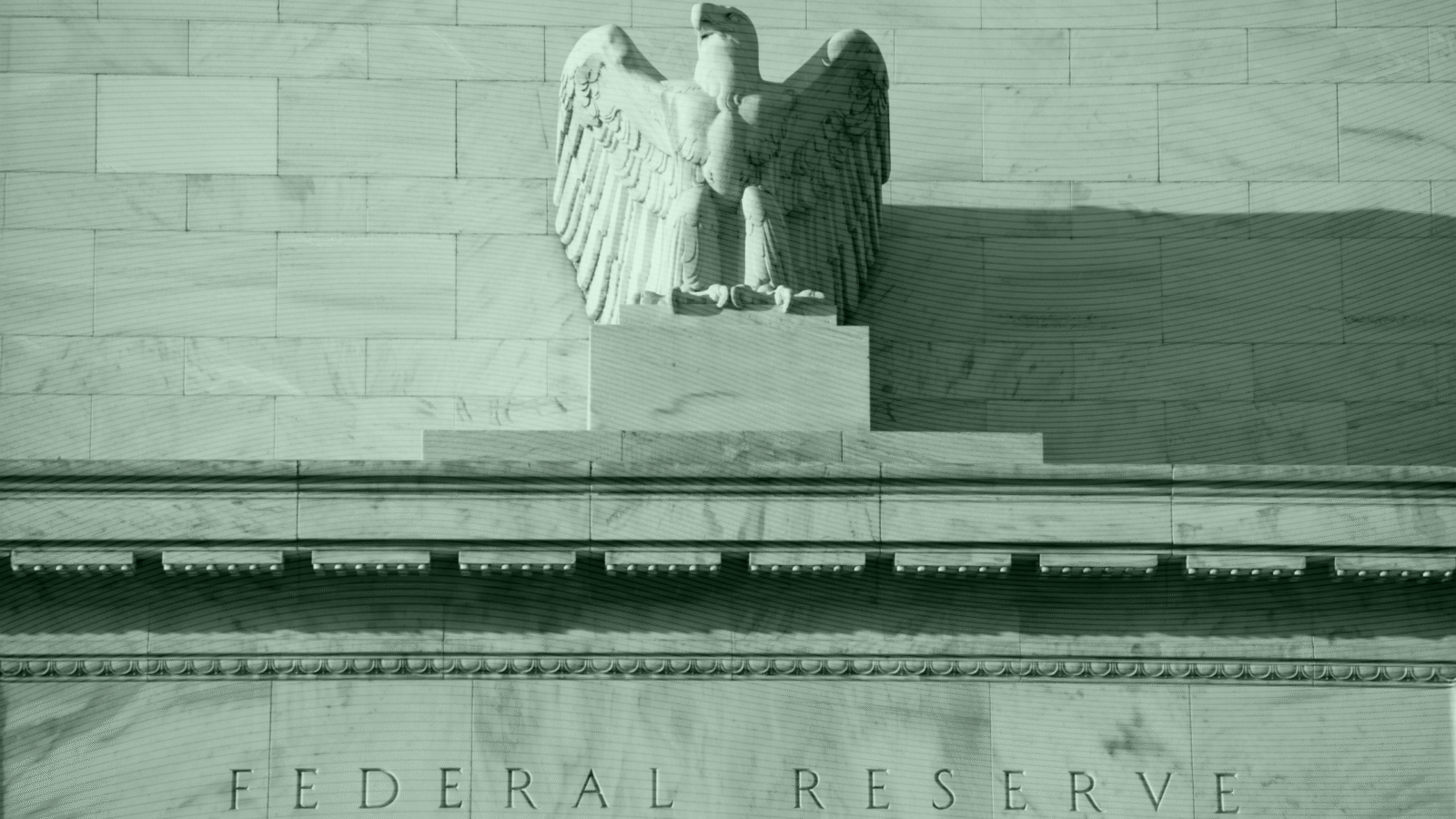
The Federal Reserve cut rates by another 25 basis points yesterday, as expected, and the benchmark rate is now between 3.5% to 3.75%. With only a single cut projected for 2026, this might be one of the last moves under Chair Jerome Powell, whose term ends in May. Powell was first appointed by President Donald Trump in 2018, but the two have rarely agreed on policy recently. Trump has repeatedly said Powell was too slow to cut rates and has floated the idea of firing him. Whoever comes next is expected to be far more aligned with Trump, and advisors have some reservations.
“My biggest concern is the perception, or reality, that the Fed is less independent,” said George Chang, founder of Pillar Point Wealth Management. “If investors think policy is being led from the White House rather than data, regardless of what rate the Fed sets, you’ll see a ‘credibility discount’ in bond yields, the dollar and overall markets.”
Who’s It Gonna Be?
The White House hasn’t announced a nominee, but Trump told reporters Tuesday he has “a pretty good idea” of who he wants. The frontrunner is Kevin Hassett, director of the White House National Economic Council. Hassett has cast himself as a dove compared with what he considers Powell’s overly hawkish stance and said there was “plenty of room” for more cuts at a Wall Street Journal event this week.
However, the fact that Hassett is a likely candidate doesn’t make him Wall Street’s preferred choice, according to a CNBC survey:
- Some 84% of respondents said they think Hassett will be the next chair, but only 11% said he should be.
- Nearly half prefer Fed Governor Christopher Waller, though few expect him to be picked.
- Roughly a quarter favor former Fed Governor Kevin Warsh, but only 5% believe Trump will nominate him.
History Lesson. White House pressure on the Fed isn’t often successful, but it has happened. President Nixon pushed Fed Chair Arthur Burns to keep rates low heading into his 1972 re-election, which led to even worse inflation — not to mention soaring interest rates later. So, the worry is real. “If inflation becomes uncontrollable, and we don’t have a Fed separate from the government to step in to adjust rates appropriately, to put the brakes on, then who will address it?” said Omen Quelvog, founder of Formynder Wealth Management.
Still, it would be hard for the chair to steer the entire Fed. Even a Trump-aligned leader would face structural limits. “The [Federal Open Market Committee] is still a voting group, so [Trump] would really need to stack the deck to start dictating policy itself,” said Chris Diodato, founder of WELLth Financial Planning. “That would be a multi-year game regardless of who the head is.”
- Active ETFs: Helping bolster portfolio resilience in uncertain markets. Learn more.
- Cut alts admin time by 90%. Download the e-book today.
JPMorgan Flags Rising Advisor Pay in 2026 Expense Forecast

It’s that time of year that reminds everyone how much better it is to give than receive.
JPMorgan is in the holiday spirit (or as much as it can get, anyway), considering how much it expects to pay advisors next year. And of course, that’s far from being a charitable gesture. During this week’s Goldman Sachs conference, JPMorgan Consumer & Community Banking CEO Marianne Lake told the audience that the company is planning for considerably higher expenses next year, in part because of incentive compensation for financial advisors.
“We feel really great about the expenses, not just how we’re investing the money, but also in the context of the performance of the business,” Lake said, according to a report by the Financial Times.
Humbug
The bank’s expenses are expected to be around $105 billion in 2026, or an increase of about 9% over 2025’s, a figure that surpassed the highest forecasts made by analysts, several publications reported. Aside from advisor compensation, other factors contributing to the higher projected costs are AI investments, marketing expenses, allocations to bank locations and inflation, the FT noted. Investors did not appear to be feeling the holiday spirit, and JPMorgan Chase stock (JPM) took a slight hit, falling more than 5% on Tuesday afternoon. It’s recovered by about 2% since then, and it remains up by 28% year to date.
At least, it might be some good news for advisors broadly:
- Financial professionals are increasingly competing on fees but simultaneously feel pressure to provide more services to clients, with the standard fee 1% of assets under advisement seemingly going away, according to a report earlier this year by Cerulli Associates.
- While smaller accounts, of $100,000 or more, might be charged an average of 1.25%, fees are typically lower than 1% for $5-million-plus clients and around 66 basis points for those with $10 million.
Can’t Afford to Make Idle People Merry. Incentive compensation isn’t necessarily a big pull for younger advisors, who increasingly favor defined career paths, training and coaching, a survey this year by DeVoe found. Even Ebenezer Scrooge might feel good about that.