

Good morning.
It’s an exciting time to be in the business of financial advice, and by extension, an exciting time to be in the business of covering the industry. Since our inaugural issue, the Advisor Upside community has grown from a few thousand registered advisors to over 100,000.
As an organization, we are investing heavily to make this publication as valuable as humanly possible for you. Think personalized content with expert tips to grow your practice, actionable investment ideas and thematic content you can’t get elsewhere.
To help us power this vision — please take a few minutes to complete this short survey.
As a thank you, all eligible participants will be entered for a chance to win a $500 gift card.*
Do Clients Really Trust AI with Money Questions?

Artificial intelligence is quickly becoming the go-to resource for, well, pretty much anything. ChatGPT is practically the new Google, while Grok could be the next Ask Jeeves — boom, roasted.
We all know people consult AI for their money questions, but just how much they trust the answer might be surprising. Nearly half of Americans believe AI is superior to all the people in their life when it comes to asking for financial information and guidance, according to a survey from BestMoney.com, a financial products comparison site. Don’t get too nervous, though. There’s a bit of nuance to that figure, and it’s not like clients are going to start rushing for the exit just because they’ve got a computer and internet connection at home.
“Financial talk is really intimate for most people because humans attach so much emotion and sometimes self-worth to the topic,” said Donald LaGrange, a CFP with Murphy & Sylvest. He wasn’t surprised by the figure because plenty of people aren’t transparent with their financial situations, so anybody listening for advice tends to take it with a grain of salt. “[We] celebrate the W’s and pretend the L’s didn’t happen,” he said.
A Word of Advice
While roughly a third of Americans say AI advice has never fallen short, the tech is not perfect, and there are still plenty of complaints:
- Some 38% of Americans say AI financial advice is often too generic.
- Other leading complaints are that the advice can be incomplete, out of date or overly cautious.
- A quarter say the recommendations lack context for their specific financial situations.
That last one is probably the most important data point to note and why financial advisors don’t see the rapidly evolving tech as a threat to their industry. “I do recommend that clients and advisors use AI as a tool, but not gospel,” said Thomas Balcom, Founder of 1650 Wealth Management.
The Executioner. Others see a distinction between investors who use AI and potential clients. “Those using AI as their advisor are the same people who used the robos and never had a human advisor,” said Marcos Segrera, CFP with Evensky & Katz Wealth Management. “[They’re] the ones who like to get their hands dirty and be responsible for execution.”
Your Framework For Navigating Credit Markets

Consider this your roadmap for the quarter ahead.
As market conditions evolve, opportunities are emerging across private credit, Nomura Capital Management’s Credit Markets Outlook delivers focused, actionable analysis on private credit, including asset-based lending and real estate debt.
This market breakdown provides a clear view of current performance dynamics and institutional positioning. You’ll find:
- Scenario planning (Bear/Base/Bull).
- Sector-specific trends.
- Data-driven insights from the housing market to consumer credit cards, monetary policy, and the labor market.
Find out why private credit is an attractive asset-class for the year ahead.
Grab your copy of the credit markets outlook from Nomura Capital Management now.
CFP Board Taps K. Dane Snowden as Next CEO
That’s one smooth operator.
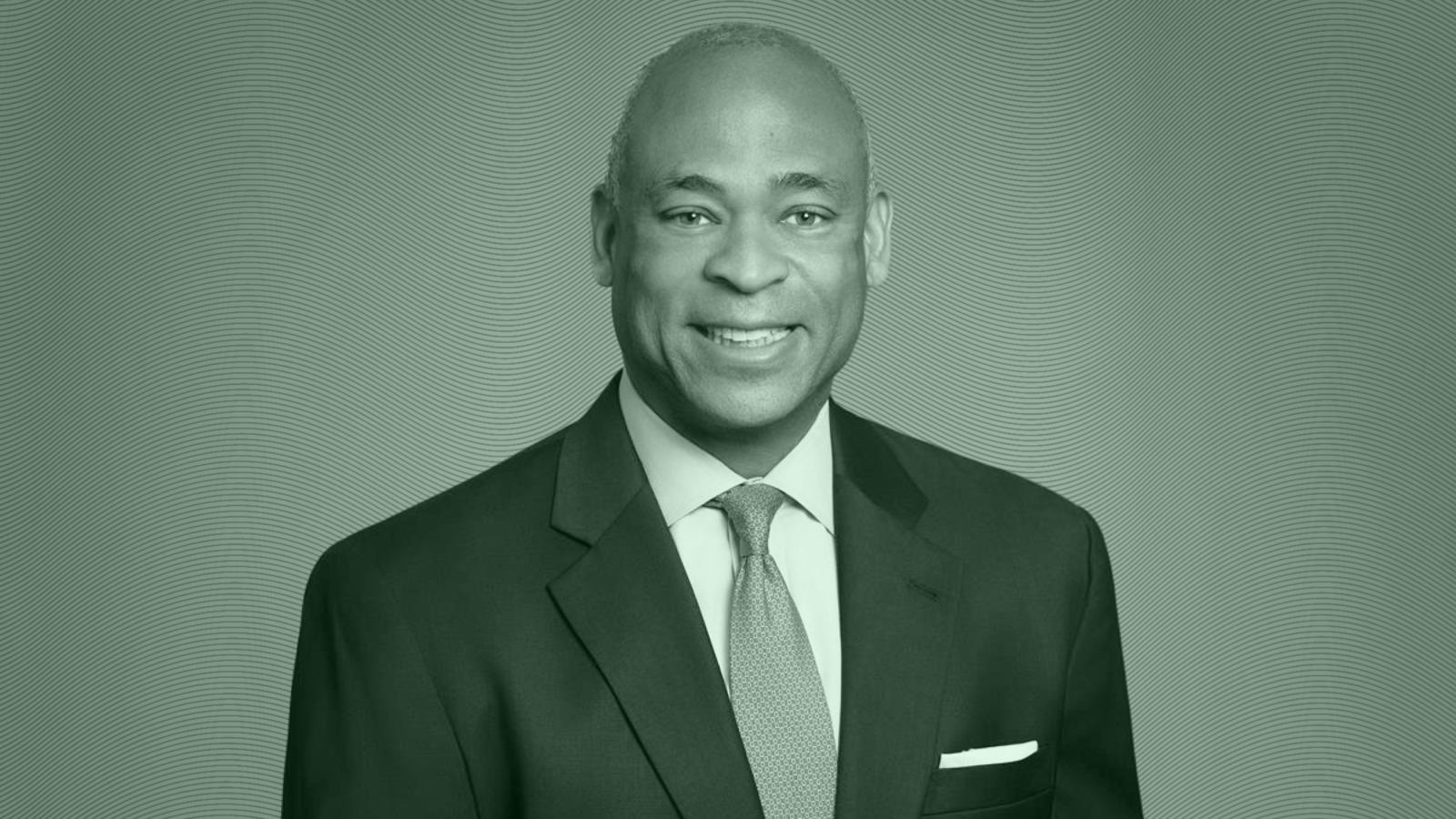
The CFP Board has tapped K. Dane Snowden as its next chief executive officer, elevating him from chief operating officer, as longtime CEO Kevin Keller prepares to retire after nearly two decades in the role. Snowden, who will take over March 16, said he plans to build on the progress Keller made during his tenure, while also positioning the organization for its next phase of growth. “Dane’s vision is anchored in evolution, not revolution,” CFP Board Chair Terri Kallsen told Advisor Upside. “He understands how to build on organizational strengths while anticipating where [the] CFP Board can drive even greater value for the public, CFP professionals and candidates.”
From the FCC to CFP
While new to the CEO role, Snowden brings deep familiarity with the organization. He has served as CFP Board’s COO since 2023, overseeing certifications, marketing and public awareness efforts. Earlier, he was a public member of the group’s board of directors from 2017 to 2020. “My focus is straightforward: Build on what works, sharpen what needs improvement and find new opportunities to strengthen impact,” Snowden said in a statement.
Before joining CFP leadership, he held senior executive roles at major trade organizations, including:
- The Internet Association and the National Cable & Telecommunications Association.
- He also served as chief of the Consumer & Governmental Affairs Bureau at the Federal Communications Commission during the George W. Bush administration, where he helped lead the creation of the National Do Not Call Registry.
“Dane is the right leader at the right time to ensure the CFP® mark remains the standard for competent, ethical financial planning,” Kallsen said.
Double the Designations. Keller’s tenure included significant expansion of the CFP Board and the designation itself. During his time as CEO, the number of certified advisors grew from just over 50,000 to more than 107,000. Keller also oversaw the launch of the CFP Board’s Public Awareness Campaign, which boosted consumer recognition of the designation, as well as the Center for Financial Planning, an initiative aimed at increasing diversity within the profession. “It has been the privilege of my career to serve the CFP professional community,” Keller said in a statement.