

Good morning.
Advisors are clearly book-smart. It comes with the territory. But there’s another kind of wisdom that matters just as much: emotional intelligence.
Most advisors understand behavioral finance and how fear, loss aversion and overconfidence shape investor decisions. The challenge is putting that knowledge into practice, James Woodfall, founder of Raise Your EI, said in a Barron’s op-ed. The former planner-turned consultant urged advisors to truly listen to clients instead of immediately countering concerns with charts and data. Doing so can take hours, but it pays off. “The advice may not change, but the relationship will stabilize,” he said.
And at a time when real conversation feels like a dying art, clients will thank you for putting in the effort.
Robinhood, TradePMR Join Growing Referral Space

We know a guy who knows a guy.
Retail investment platform Robinhood and custodian TradePMR launched the pilot for their RIA referral program, the Robinhood Advisor Network, this week. The program is currently limited to RIAs with at least $500 million in assets and a TradePMR relationship. During the pilot, Robinhood employees with at least $250,000 in assets can connect with RIAs. When fully operational later this year, the program will extend to Robinhood customers. Participating RIAs must pay 25% of all revenue from referrals to Robinhood Asset Management, according to regulatory filings.
Though Charles Schwab and Fidelity dominate the referral space, Robinhood and TradePMR are the latest entrants in a quickly growing segment of wealth management. For advisors, the more referral programs, the merrier, it seems.
¿Por qué no los Dos?
California-based Mission Wealth joined Schwab’s program in 2003, but growth surged in 2010 when it also joined Fidelity’s network. “I think of these programs as a competitive bake-off,” said Matt Adams, Mission CEO. “We get a couple thousand referrals a year, but you don’t win automatically. You need an offering equal to or better than firms 10 times your size.”
Mission now gains about $2 billion in new client assets annually from participating in both referral programs, he added.
Robinhood acquired TradePMR and first announced the referral program more than a year ago. Since then, plenty of other firms have made similar moves:
- Robo-advisor Betterment introduced its Betterment Advisor Network pilot for a small group of RIAs last month.
- Goldman Sachs Ayco started a referral program in January, with Creative Planning, Mercer Advisors and Wealth Enhancement among early participants.
- BNY Pershing plans to connect advisors with retail clients later this year.
Room for One More? While Schwab and Fidelity have been major drivers of RIA growth, many clients were baby boomers, the oldest of whom are turning 80 this year, and the pool is shrinking, said Robb Baldwin, TradePMR founder. “If they’ve raised their hand and said, ‘Hey, I want an advisor,’ it’s more than likely already happened,” he told Advisor Upside. He added that Robinhood and TradePMR aim to refer Gen Z and millennial clients, who already make up most of Robinhood’s 27 million-customer base. We suppose that’s a good headstart.
What’s Driving the Momentum Behind Fixed Income ETFs
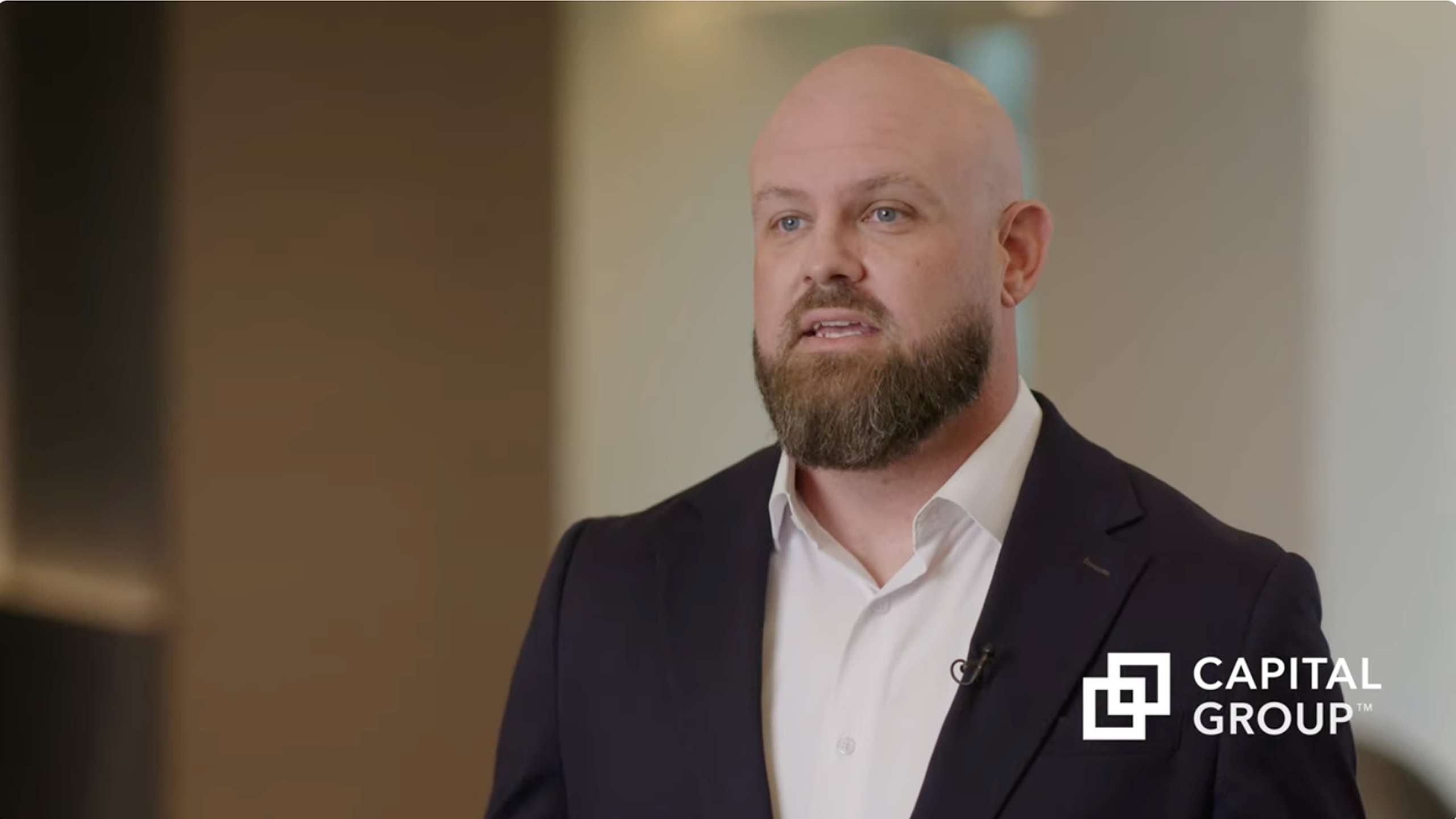
Bond ETFs offer all the things your clients love about fixed income, but with potential benefits that stem from the ETF wrapper. That’s diversification, liquidity, and flexibility.
Thanks to these traits, Finneran likens the surging popularity of bond ETFs to the early “hockey stick” days when equity ETFs took off and became a staple of investment portfolios.
See why fixed income ETFs seem to be gaining ground with advisors.
AI Will Eliminate Wealth Management Jobs. That May Be a Good Thing

Will AI agents ever replace human financial advisors?
Experts who have debated the question broadly agree that the human connection between advisors and clients will endure in the AI age. That doesn’t necessarily hold true, however, for middle- and back-office staff. Will the technology decimate operational roles that have provided meaningful (if more menial) employment opportunities to thousands? It’s likely, experts agreed, but there’s a silver lining.
“It’s a legitimate question and an important one for advisor firm leaders and industry stakeholders to contemplate,” Altruist Chief Operating Officer Mazi Bahadori told Advisor Upside in the wake of his firm’s market-moving AI tax planning tool launch. “We’ve been in the headlines recently for our Hazel platform. So, we’ve seen what advisory firms do when they don’t need their people working on repetitive operational tasks. What they do and don’t do may surprise you.”