Good morning.
Let’s talk turkey … sandwich.
FINRA ordered JPMorgan to pay a former broker $4.25 million in a wrongful termination case this week. A Wells Fargo advisor alleged that JPMorgan fired him after he used company funds to cover the cost of a sandwich platter at a Super Bowl party he hosted in 2024 for clients and prospects. He claimed the firm knew about the event in advance and approved the expenses, but that it later reversed course, allegedly a move to poach his clients.
It makes you wonder what they’d do if it had been shrimp cocktail.
What Advisors Expect from the New Federal Reserve Chair
Meet the new boss.
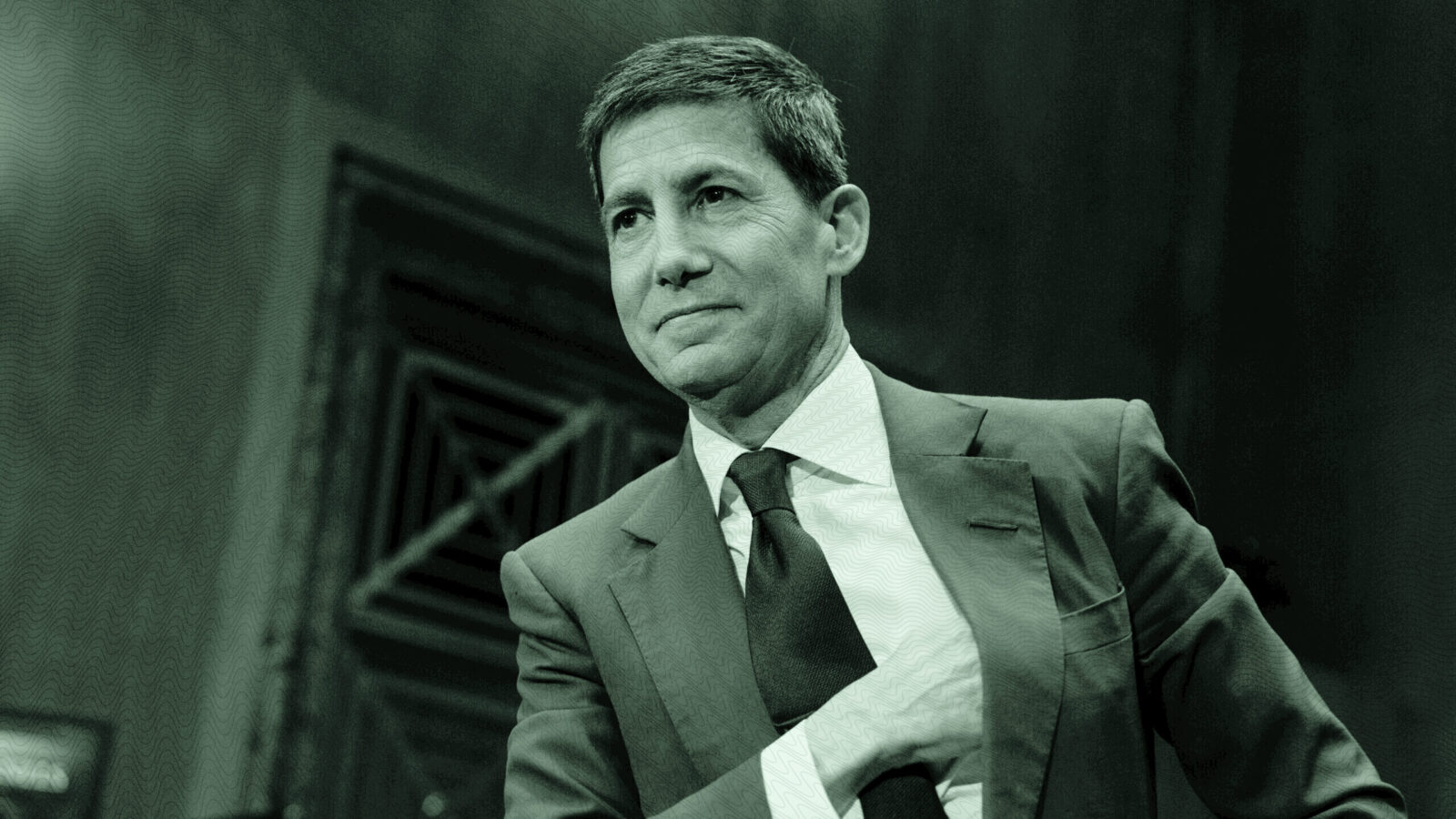
Kevin Warsh was confirmed by the Senate earlier this month and officially sworn in as the 17th Chair of the Federal Reserve on Friday. He took the high-profile job amid a closely watched White House pressure campaign to ease interest rates, which in turn sparked an intense debate in Congress about Fed independence. That remains a question on the minds of many, especially as inflation has increased in recent months, but investment professionals aren’t overly concerned, according to a Dynasty survey of wealth management firms. Instead, advisors are coaching clients to stay focused on their long-term plans, even as Fed independence remains in the headlines.
“Over the longer term, Warsh may introduce a subtle to moderate, dovish sway,” said Matt Wilson, portfolio analyst at Storen Financial. “Immediate or drastic changes are unlikely.”
A Hard Sell
There’s a simple fact at the core of advisors’ sentiment: Inflation is well above the Fed’s stated target, while the job market remains solid. The market is no longer pricing in a high probability of multiple rate cuts in 2026, even with new leadership. Most advisors say the main driver of an additional cut opportunity would be a quick resolution of geopolitical tensions. Few see that as highly likely.
“We must keep in mind that 12 officials vote on interest-rate decisions at any given time, and the chair is but one of those votes,” said Mark Doehla, portfolio manager at Great Diamond Partners. Despite political pressure to lower rates further, he sees a pragmatic and independent Fed taking no action for now. The central bank could even reverse course and raise rates later this year.
Other economic indicators also favor fewer cuts:
- The US economy added 115,000 nonfarm payroll jobs in April, surpassing economists’ expectations and keeping the national unemployment rate at 4.3%.
- The annual US inflation rate accelerated to 3.8% for the 12 months ending in April, marking the highest level since May 2023.
Where’s the Upside? Most advisors foresee higher volatility moving forward, but many also see upside opportunities for those who can hold the course, thanks to strong fundamentals and double-digit earnings growth for the S&P 500. “The most compelling opportunities appear to be in public and private infrastructure, particularly companies tied to AI supply chains and the broader power buildout,” said Tim Bartlett, chief investment officer of Unique Wealth.
Brian Glenn, CIO at Premier Path Wealth Partners, likes domestic manufacturing, and within that, aerospace. “How can you not be wildly bullish on domestic manufacturing and on-shoring?” he asked. “There’s massive innovation taking place within the defense side of aerospace. There’s a 10-plus year backlog of commercial aircraft flowing through Boeing and Airbus.”
The Active ETF Advantage
Active ETFs combine risk management and alpha potential that traditional asset management can provide with the liquidity, transparency, and cost-effectiveness of the ETF vehicle. The versatility of active ETFs allows them to play many roles in portfolio construction and management, including alpha generation, risk management, and diversification.
Active ETFs offer a growing range of innovative solutions, such as fully active funds that pursue alpha, systematic funds that pursue a certain level of alpha within given tracking-error constraints, and solutions-based funds that use derivatives with the goal of achieving specific objectives such as income or a defined outcome.
The ease of buying and selling active ETFs makes these products efficient tools for short-term and tactical investments, as well as for longer-term strategic allocations.
Estate Plan Disputes Are Painful. They Don’t Have to Be Disastrous

Love is a battlefield, and sometimes estate planning can be one too.
There’s a lot that can go wrong with estate plans when a person with significant wealth dies. A pack of interested (i.e., slighted) parties can emerge to pursue claims from incapacity to incompetence, undue influence and breach of fiduciary duty. Even with careful legal planning coordinated by specialist attorneys, court battles are sometimes inevitable. It’s a reality that financial advisors serving affluent clients need to prepare for as trillions of dollars are set to pass between generations in the coming decades. High-value estate plan disputes are always painful, but with the right planning and expertise, they needn’t be disastrous.
“These kinds of disputes are as old as mankind,” said Scott Rahn, founding partner at RMO Lawyers. “These are literally biblical issues. Siblings fighting each other, parents fighting kids, step-parents battling stepkids. It can last for years and tear families apart.”
Mo’ Money, Mo’ Problems
No two estate-planning disputes are exactly the same, Rahn said, as each wealthy family has a different mix of assets, liabilities, charitable giving goals and, in many cases, disgruntled relations who expected more. There’s likewise no single playbook for foolproofing the estate, as even the most carefully constructed trusts can be subject to litigation. But there is one common thread running through the worst cases that hit Rahn’s desk, and fortunately, it’s something advisors can help address.
“It’s a lack of candor about wealth, leading to a fractured understanding about the purpose and intent of the family’s fortune,” Rahn said. “Clients spend so much time and effort building wealth but so little time understanding and communicating about it.” Trusted advisors are in the perfect spot to kickstart these conversations, especially as they pertain to bridging generational divides. They don’t need to create perfect family harmony to make a difference, either. “It’s more about making sure stakeholders understand the plan and avoiding surprises.”
Estate disputes aren’t new, but the amount of money at stake is:
- Nearly $124 trillion is set to change hands through 2048, according to Cerulli Associates.
- Some $106 trillion will flow to family and heirs, with the rest going to charity.
The Gift Horse. Another tip is that affluent clients shouldn’t conflate giving with communicating. “Expectations get created when money or expensive things are given without the context of a broader plan,” Rahn said. “You grow up getting new cars, enjoying wonderful vacations and big houses and nice clothes. It’s natural that you come to expect a lot from the estate.”
In cases where a lawsuit is filed, advisors won’t have the legal expertise to help in court, but they can address the emotional side of conflict. “Clients facing these lawsuits need to decide the right balance between fighting it out and prioritizing their own emotional wellbeing,” he added.