
Good morning and happy Wednesday.
Time to place your bets? Not quite yet.
The Securities and Exchange Commission has delayed the launch of some two dozen prediction-market ETFs until May 18, marking the second time the regulator has pumped the brakes on the novel investments and requested more information about how they actually work. The first delay, on May 4, came as the 75-day review period for several February filings ended.
So far, most of the funds would focus on the outcomes of elections, but one issuer recently filed for two others that let investors bet all or nothing on a US recession in 2026. The political and recession exposures are merely the ground floor, experts agree, and the sky is the limit on creativity.
It all begs the question: “Do I feel lucky? Well, do ya, punk?”
How Roundhill’s DRAM Became Fastest ETF to Net $6.5B in Assets
Daft Punk isn’t the only one cashing in on random access memories.
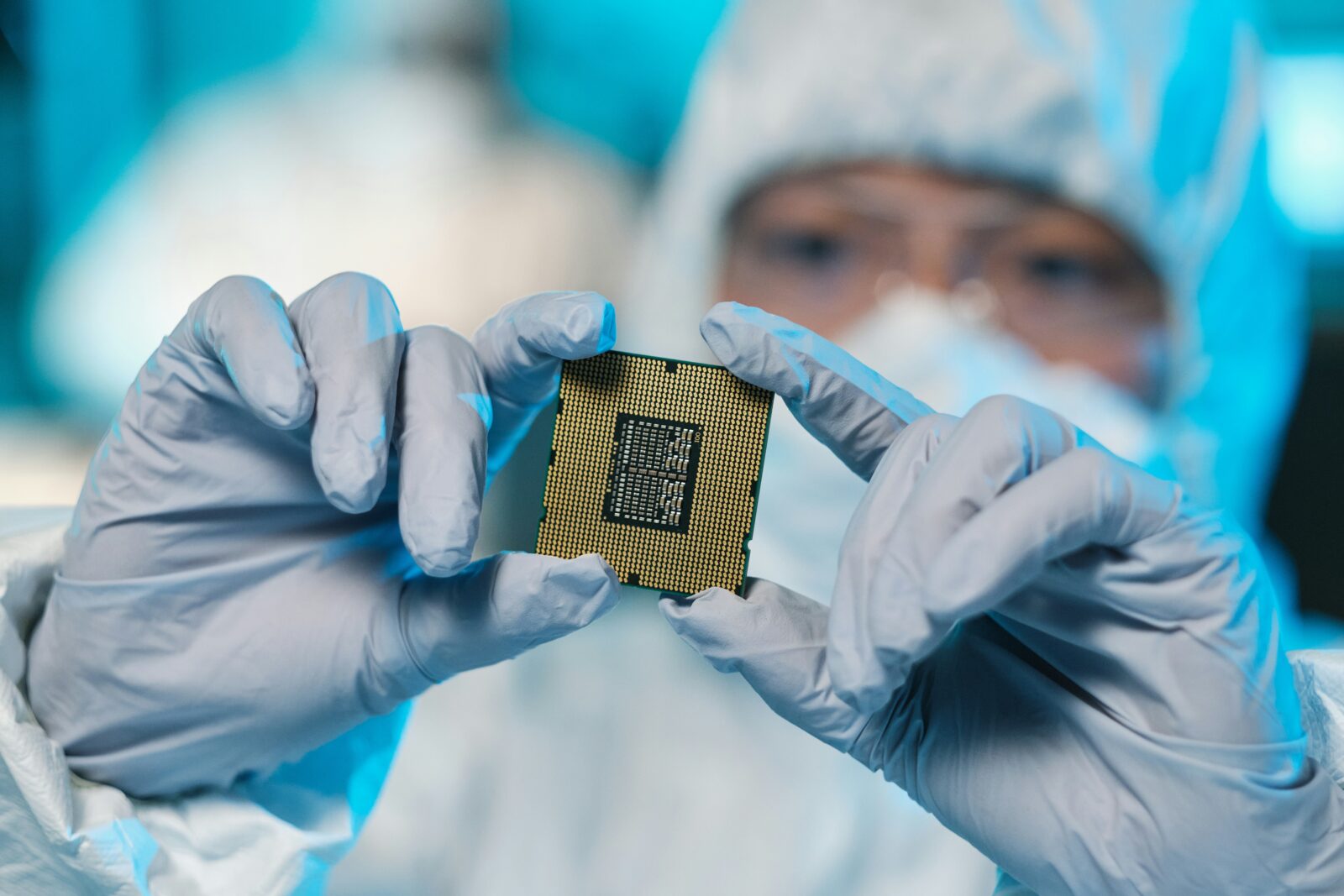
Roundhill Investments, which launched its Memory ETF (DRAM) just last month, has already pulled in a record $6.5 billion in assets. The feat took just 36 trading days, making DRAM the fastest product to reach that milestone, surpassing the mighty iShares Bitcoin Trust ETF (IBIT). Roundhill’s fund grew by an additional $1 billion on Friday alone, per Bloomberg data. Its success is the latest sign of ballooning investor confidence in ETFs and the influence of artificial intelligence and data center construction on markets.
“I’m stunned, frankly,” Eric Balchunas, senior ETF analyst at Bloomberg Intelligence, wrote in a post. “Regardless of what happens from here, this was one of the most heads-up, best-timed ETF launches I’ve ever seen.”
Up All Night to Get Lucky
DRAM is a thematic fund that tracks companies involved in computer memory hardware, investing in companies like Samsung, Sandisk and Micron. These companies’ stocks have skyrocketed, alongside the booming AI industry, with shares in Micron up 75% year to date as of Monday. About three-quarters of DRAM’s portfolio is split between Micron, Samsung and SK Hynix, a South Korean semiconductor manufacturer. Part of what makes the product appealing to investors is its exposure to South Korean stocks, said Todd Rosenbluth, head of research and editorial at TMX VettaFi, who added that pent-up demand for memory exposure has rivaled early interest in bitcoin. “Two of [DRAM’s] holdings are international securities not typically found in US ETFs, which is likely a significant factor in its growth,” he said.
The next-fastest funds to reach the $6.5 billion mark after DRAM, according to Yahoo Finance data, are:
- BlackRock’s IBIT, which accomplished the feat in just 43 days.
- Fidelity’s Wise Origin Bitcoin Fund (FBTC), which took 51 days.
- The iShares AI Innovation and Tech Active ETF (BAI), which took 352 days.
Not Enough Bytes. Still, DRAM’s heavy concentration in just a few holdings might make it volatile. The fund slid almost 7% on Tuesday after a South Korean official’s comments prompted speculation the country might impose new taxes on AI profits. (The government later clarified that it isn’t planning to do so.) The concentration could be a problem for the fund in the long run, Dan Sotiroff, senior manager research analyst for Morningstar, told ETF Upside. “You box yourself into a corner,” he said. “You’re talking about a niche of a niche of a niche here.”

World’s First Catastrophe Bond ETF Braces for Hurricane Season

What’s a catastrophe bond investor’s favorite Beatles song? Here Comes the Sun.
Catastrophe bonds, or cat bonds, transfer the risk associated with climate disasters to the capital markets. Insurance companies essentially get to unload some of the risk of a disaster like a hurricane or wildfire, and investors can generate significant returns if the event doesn’t occur (and face large losses if it does). The appeal is diversification from stocks and bonds: The S&P 500 doesn’t care about severe weather because a storm isn’t going to cause a market crash. Last April, Brookmont Capital Management decided to package the debt up into the first-ever cat bond ETF in just another example of issuers putting a niche product into the easy-to-trade ETF structure.
“If there’s anything that’s more difficult to forecast than the financial markets, it’s the weather,” Ethan Powell, chief investment officer of Brookmont Capital Management said. “What I can say is meteorologists are expecting an average to below-average hurricane season, which should bode well for cat bond investors.”
Getting the Job Done
Brookmont’s ETF had a somewhat unconventional launch last year, hitting the market without a lead market maker. While the firm had wanted to launch with $25 million, it had generated just around $12 million by September. It has since reached more than $80 million in net assets, however, and Powell is happy with the fund’s first year, especially its 30-day median bid-ask spread of 0.15%. With one hurricane season under the Brookmont Catastrophic Bond ETF’s belt, investors are heading into a second.
“Given that we don’t have an LMM, given the unique nature of the underlying asset class, I think it’s tremendous,” Powell said.
Dave Nadig, president and director of research at ETF.com said that while the fund has had “very little interest,” it has accomplished basically what it was designed to do:
- The fund is up roughly 7.5% over the past 12 months as of the end of April — a yield premium over Treasury bills comparable to what investors get from corporate bonds — which is what you expect cat bonds to do in a year without a major payable catastrophe, Nadig said.
- However, “we still haven’t had a major event to test whether the fund delivers on the downside as we’d expect, and whether investors would tolerate that downside,” he added. “It’s so expensive, and I think it’s very hard to sell on spread.”
Y’all Street. Brookmont plans to continue offering “new and interesting alternative income products,” Powell said. Next up? An interval fund that invests in consumer credit instruments, which the firm filed last month to list on the Texas Stock Exchange.