How Roundhill’s DRAM Became Fastest ETF to Net $6.5B in Assets
The product tracks companies focused on computer memory hardware and the massive artificial intelligence buildout.
Sign up for exclusive news and analysis of the rapidly evolving ETF landscape.

Daft Punk isn’t the only one cashing in on random access memories.
Roundhill Investments, which launched its Memory ETF (DRAM) just last month, has already pulled in a record $6.5 billion in assets. The feat took just 36 trading days, making DRAM the fastest product to reach that milestone, surpassing the mighty iShares Bitcoin Trust ETF (IBIT). Roundhill’s fund grew by an additional $1 billion on Friday alone, per Bloomberg data. Its success is the latest sign of ballooning investor confidence in ETFs and the influence of artificial intelligence and data center construction on markets.
“I’m stunned, frankly,” Eric Balchunas, senior ETF analyst at Bloomberg Intelligence, wrote in a post. “Regardless of what happens from here, this was one of the most heads-up, best-timed ETF launches I’ve ever seen.”
Up All Night to Get Lucky
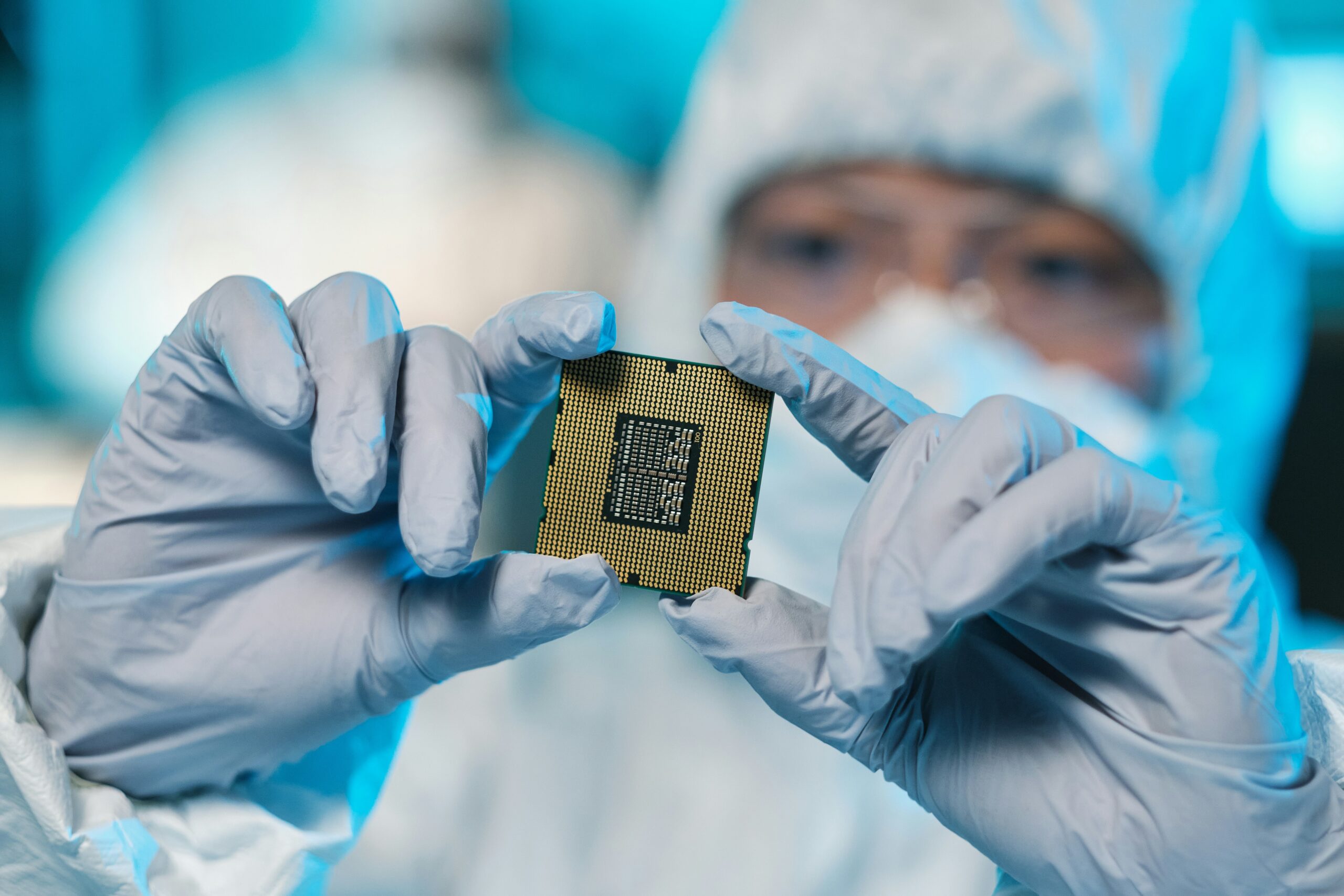
DRAM is a thematic fund that tracks companies involved in computer memory hardware, investing in companies like Samsung, Sandisk and Micron. These companies’ stocks have skyrocketed, alongside the booming AI industry, with shares in Micron up 75% year to date as of Monday. About three-quarters of DRAM’s portfolio is split between Micron, Samsung and SK Hynix, a South Korean semiconductor manufacturer. Part of what makes the product appealing to investors is its exposure to South Korean stocks, said Todd Rosenbluth, head of research and editorial at TMX VettaFi, who added that pent-up demand for memory exposure has rivaled early interest in bitcoin. “Two of [DRAM’s] holdings are international securities not typically found in US ETFs, which is likely a significant factor in its growth,” he said.
The next-fastest funds to reach the $6.5 billion mark after DRAM, according to Yahoo Finance data, are:
- BlackRock’s IBIT, which accomplished the feat in just 43 days.
- Fidelity’s Wise Origin Bitcoin Fund (FBTC), which took 51 days.
- The iShares AI Innovation and Tech Active ETF (BAI), which took 352 days.
Not Enough Bytes. Still, DRAM’s heavy concentration in just a few holdings might make it volatile. The fund slid almost 7% on Tuesday after a South Korean official’s comments prompted speculation the country might impose new taxes on AI profits. (The government later clarified that it isn’t planning to do so.) The concentration could be a problem for the fund in the long run, Dan Sotiroff, senior manager research analyst for Morningstar, told ETF Upside. “You box yourself into a corner,” he said. “You’re talking about a niche of a niche of a niche here.”
Recent News

-

Photo via Syncopy Production / Universal Pictures / Album/Newscom