Good morning and happy Wednesday.
Time heals all scandals.
It’s been eight years since DWS, issuer of the Xtrackers ETFs, had its IPO in Germany and (very noticeably) did not attach itself to its majority owner, Deutsche Bank. That independent streak ended this week, with the company getting a rebranding that makes Deutsche Asset Management the “global umbrella brand,” per a report by the Financial Times. The DWS listing in 2018 followed scandals at Deutsche, which settled cases alleging money laundering and interest-rate rigging, among other things. Not using the parent name was necessary to help it stand alone as an asset manager, the company indicated at the time. Now though, the bank has put the scandals behind it and has returned to profitability, the FT wrote.
It’s unclear if and when the rebrand would affect DWS’ US presence, though we may hear more Americans doing their best to pronounce “Deutsche.”
The Anthropic IPO is Almost Here. What Can Investors Learn from SpaceX?

There’s about to be a new kid on the block.
Anthropic is expected to go public in the coming weeks at a valuation of about $2 trillion, making it one of the hottest IPOs ever. Investors can get early access through ETFs and other vehicles, but they should vet their chosen fund carefully. SpaceX’s June debut, with a record-breaking $1.77 trillion valuation, holds a few lessons for advisors.
“Know what the heck you’re buying, number one. Know what it’s actually worth, number two,” said David Shapiro, CEO of OpenVC. SpaceX briefly hit $201.80 per share after the IPO but has since declined, now trading at about $150. “It shook out to where the sophisticated investors were holding it pre-IPO. That means if you bought it in one of these closed structures with a significant premium, you’re actually probably underwater,” Shapiro said. “It goes to show it’s really, really important for folks to have an innate understanding of where the value of these companies sit ahead of that IPO.”
Watered Down
A private company’s weight in an ETF can be diluted as more investors pile in, since issuers can’t always acquire enough shares to keep pace. “This is what was happening with XOVR, that people were getting so excited they were buying for their SpaceX exposure,” said Athanasios Psarofagis, an ETF analyst at Bloomberg Intelligence. “But as more people came into it, the SpaceX weight basically went down to nothing.” That issuer, ERShares, increased its SpaceX holdings after the surge in flows diluted its prior position.
Several ETFs already carry Anthropic exposure, per Bloomberg data:
- The Tema Photonics and Optical ETF (LAZR) has the most, at about 15%, followed by the Alger Concentrated Equity ETF (CNEQ), with over 5%.
- The Alger 35 ETF (ATFV), the KraneShares Public-Private AI & Technology ETF (AGIX), and the iShares A.I. Innovation and Tech Active ETF (BAI) each hold between 1% and 2%.
- The T. Rowe Price Capital Appreciation Equity ETF (TCAF) and Technology ETF (TTEQ) both hold less than 1%.
Curb Your Enthusiasm: Investor interest in the Anthropic IPO may be muted because of the cultural hype around SpaceX and because investors’ portfolios are already AI-heavy, said Jack Shannon, a principal of equity strategies at Morningstar. “SpaceX does have a big part of the business that’s not directly tied to AI, whereas Anthropic is obviously all AI, and people already have that,” Shannon said. “But then again, clearly it looks like it might be on track for the biggest IPO raise ever.”
Can Active Go Where Passive Cannot?
Fixed income benchmarks are built for replication, not returns. The fixed income market contains inefficiencies that passive strategies are not built to address, a reality that has become increasingly apparent amid geopolitical uncertainty, sticky inflation, and shifting central bank policies.
Goldman Sachs Active Fixed Income ETFs can help your clients access potential opportunities in inefficient fixed income markets. Active managers aim to dynamically adjust portfolios and invest beyond what an index allows. With more than three million unique securities globally, active management can seek opportunities beyond rules-based indices. Active fixed income ETFs combine the benefits of active management with the advantages of the ETF wrapper, including intraday trading, greater transparency, and tax efficiency.
Investing in an Electrification ETF? Figure Out Its Angle First
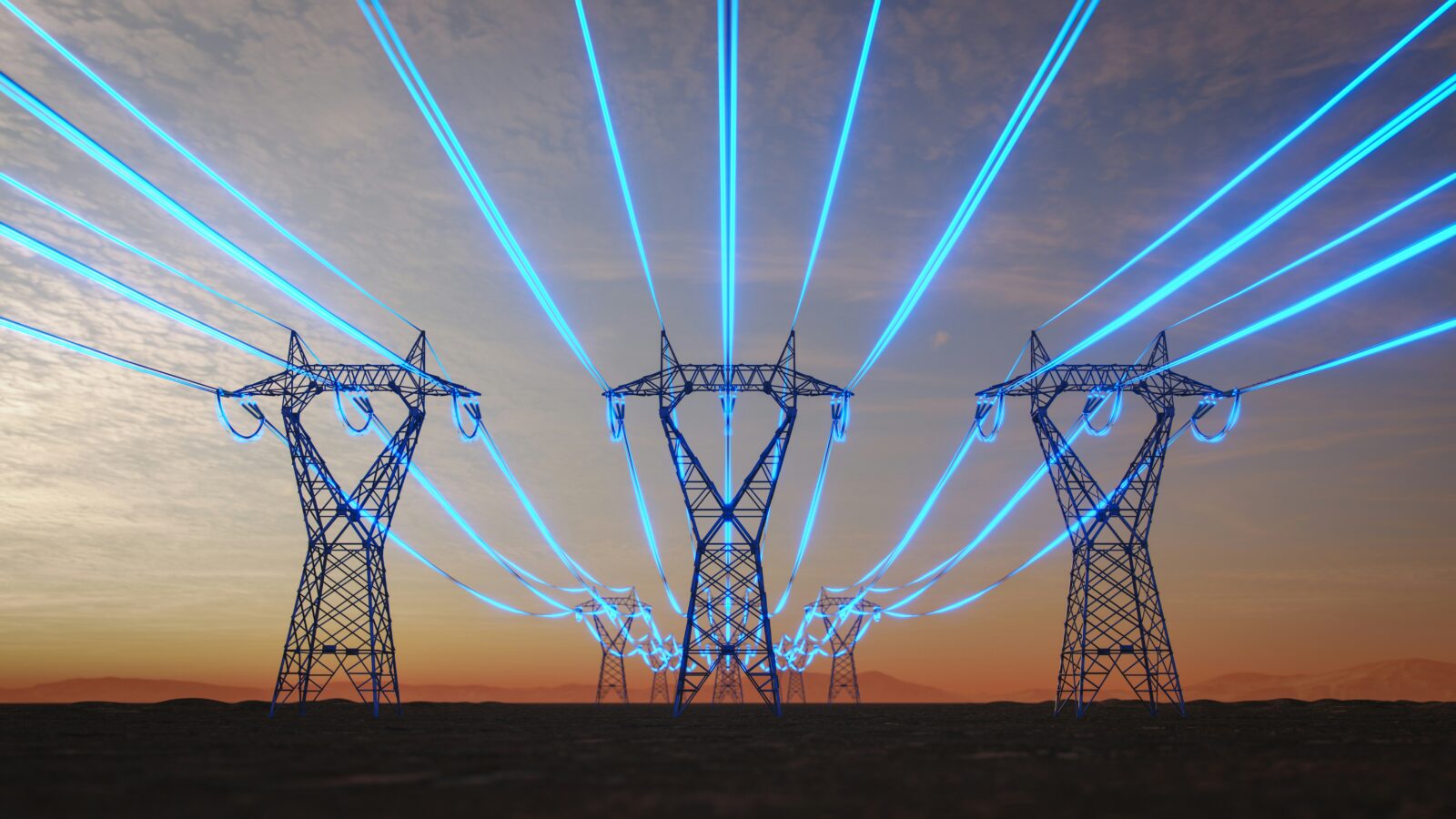
There are numerous electrification ETFs on the market — and they are about as predictable as the country’s aging power grid.
It’s a theme that hits on a few big market trends: rising needs for power generally, data center buildouts and a need to update parts of the grid to make it more reliable. While those all bode well for electrification, the ETFs focusing on the category often have different approaches, and their performances vary considerably. The Tortoise Electrification Infrastructure Fund (TPZ), for example, has returned about 6% year to date, while the Global X US Electrification ETF (ZAP) returned 10% and the Tema Electrification ETF (VOLT) returned 25%.
“You generally run into that type of problem when you get into thematic funds — they don’t really fit a clear definition of a sector or a theme that’s well accepted,” said Daniel Sotiroff, associate director of manager research at Morningstar. Electrification, for example, may include utilities, big energy companies and areas related to the buildout, like critical minerals, among others. “What does the [fund’s] title actually mean, at the end of the day?”
Charging Cycle
A few years ago, the electrification narrative was all about electric vehicles, which fell out of favor but have regained momentum amid high oil prices, said Nate Miller, vice president of product development at Amplify ETFs. Increasingly, that also includes hybrid vehicles, which new-car buyers have favored, he noted. Similarly, artificial intelligence is affecting the energy sector in different ways, with higher demands for electricity but also for power backups or load management, which can include massive diesel generators, he said. “Power has been a critical bottleneck. Can you even get power to the site you want to build a data center at?” he said.
The strains and weak points of the US power system hint at the potential for electrification as a theme:
- A failure of nine substations across the three major power grids could cause a nationwide blackout that could last a year and a half or longer, per federal data and reporting by The New York Times.
- That is largely due to the long delivery time for new transformers, which is up to 128 weeks. And one bottleneck is a specialty type of steel made by just one mill in the US, per the report.
- Data centers are gobbling up more and more power, on track to account for as much as 17% of electricity by 2030, per data cited by Quartz.
Alternating Current: Investors interested in the theme should review the ETF’s thesis before buying, Miller said. An EV-focused fund, for example, might experience more cyclicality than broader energy-sector funds, he noted. And those focused on metals and minerals may be affected by the president’s executive order this summer that sought to increase access to critical materials, he said. “You do want to open the hood and make sure you understand what you’re getting exposure to, because not all themes are allocated to in the same way.”