

Good morning and happy long weekend (we’re BBQing tomorrow, too).
The clouds of war are gathering. Shares in Meta jumped 8.8% on Wednesday, after Bloomberg reported the hyperscaler plans to develop a cloud business to sell AI computing power. That would place Mark Zuckerberg’s firm in direct competition with Amazon Web Services, Google Cloud and Microsoft Azure.
It would also create a potential revenue source from excess computing power resulting from Meta’s massive capital spending on data centers and other AI infrastructure. As of now, it’s unclear whether the new business will sell access to in-house AI models, similar to AWS’ Bedrock, or to raw computing power, like emerging cloud competitor CoreWeave. We’re not sure even Aaron Sorkin could turn IT staff dealing with minor service outages into a screenplay.
What Will Your Retirement Look Like?

Planning for retirement raises many questions. Have you considered how much it will cost, and how you’ll generate the income you’ll need to pay for it? For many, these questions can feel overwhelming, but answering them is a crucial step forward for a comfortable future.
Start by understanding your goals, estimating your expenses and identifying potential income streams. The Definitive Guide to Retirement Income can help you navigate these essential questions. If you have $1,000,000 or more saved for retirement, download your free guide today to learn how to build a clear and effective retirement income plan. Discover ways to align your portfolio with your long-term goals, so you can reach the future you deserve.
New Fed Chair Noncommittal on Interest Rates, Emphatic on Central Bank Independence
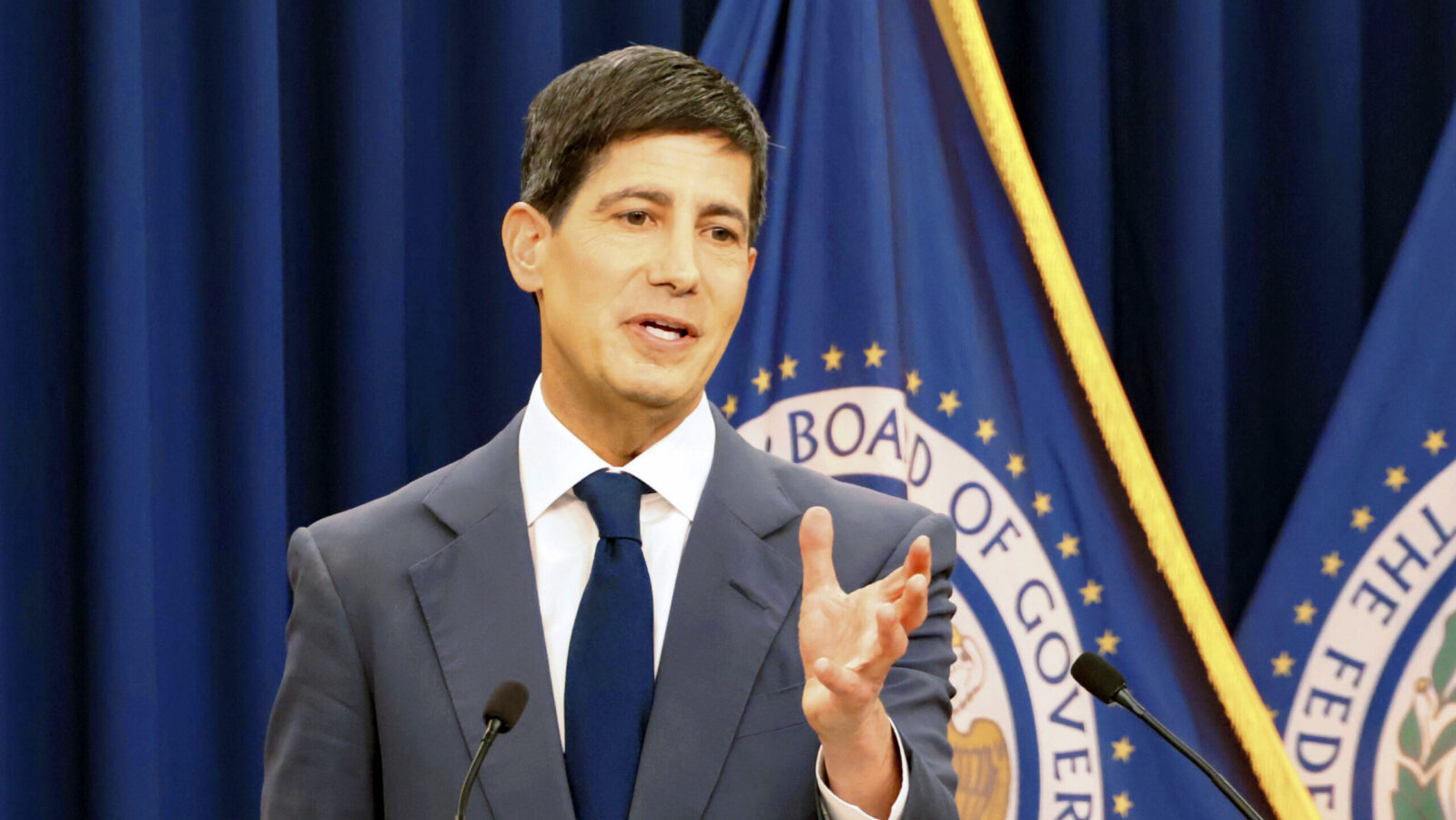
If Kevin Warsh didn’t just get a new gig, we might suggest he become a professional boxer since he can sure bob and weave.
At the ECB Forum on Central Banking on Wednesday, the Fed chair managed to dodge questions about what we can expect from interest rate moves at the Federal Open Market Committee’s July meeting. It seems he’s trying to keep the conversation focused on inflation — that it’s still too high but is posing less of a risk than it did even a few weeks ago. Energy prices in particular, he noted, have come down “quite substantially.”
Warsh Watch
Since taking over from Jerome Powell in May, Warsh has had Wall Street’s ears glued to every word he’s said about the economy and what it could mean for borrowing costs, while the market’s eyes are glued to the data. This week, the statistics included employment numbers from ADP, which showed that private-sector hiring in June was lower than economists expected. Those economists will be closely watching the Bureau of Labor Statistics’ jobs report coming out this morning as well, especially because the employment picture is a “wild card,” according to Dominic Pappalardo, chief multi-asset strategist for Morningstar Wealth.
The many market watchers keeping up with these figures and what they mean for interest rate projections are probably getting some whiplash:
- Coming into 2026, roughly two rate cuts were priced in by the futures market. Now, CME’s FedWatch tool indicates we’ll probably see a hike by the end of the year.
- “The main driver of that has been the sustained increases we’re seeing in inflation,” with a lot of that inflation increase driven by the surge in energy prices due to the conflict in the Middle East, Pappalardo says. Looking ahead, weakness in the labor market could delay the Fed rate hike markets are expecting, he adds.
Fed Independence: Warsh may be a man of few words, but one thing he seems to want to make clear is that the decision to raise or cut interest rates will be made by the central bank and the central bank alone. “We’ve been an independent central bank for a very long time,” Warsh said at the ECB conference when asked whether he would take President Donald Trump’s calls for cuts into account. “We’re going to be an independent central bank at this moment, and you’re going to see no changes on that.”
Budget-Conscious Shoppers Splurge on General Mills’ Cat Treats While Skipping Cereal
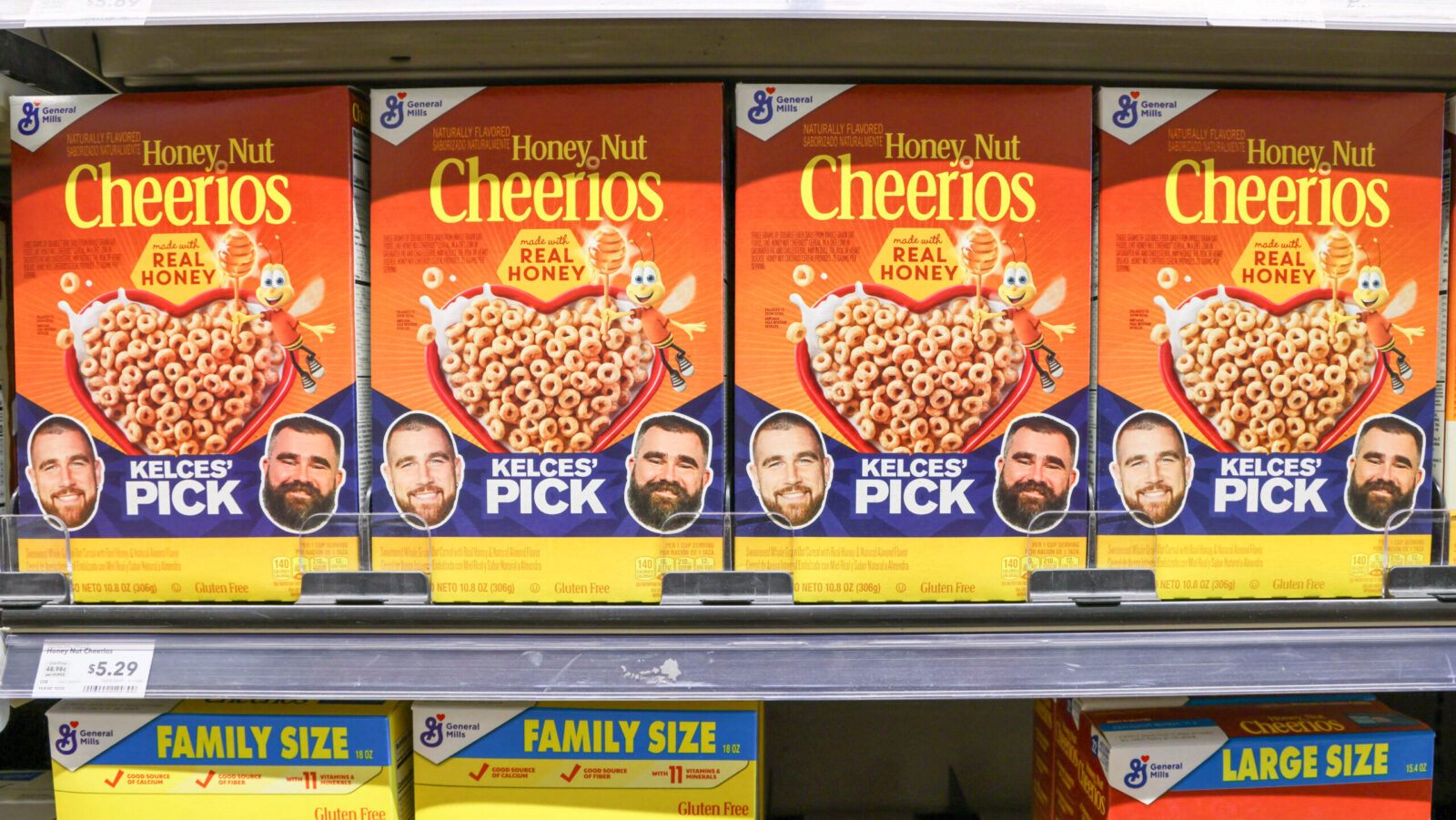
One part of people’s budgets is untouchable no matter how thin their wallets get, and that’s Fido’s portion. The only segment of General Mills’ sales in North America that rose in the fourth quarter was its pet business, which includes brands like Blue Buffalo and Tiki Cat. The rest of its earnings, reported yesterday, weren’t as rosy.
The company, which owns brands including Cheerios and Betty Crocker, posted a $2 billion loss last quarter, mainly because of non-cash items. Revenue rose 1% as shoppers skimped, opting for smaller package sizes and sale items.
General Mills said yesterday it’ll try to scrape together $3 billion in cost savings over the next four years, all while innovating in its products. Investors seemed to like the sound of the cereal company’s lean and protein-packed plan, pushing its stock up about 9% yesterday.
Some Aisles Are Sacred
North American sales of pet products rose 4% at General Mills, with its CEO saying, “Cat growth is on fire.” Pet spending has continued to notch gains annually, despite tapering from its pandemic peak. But Crookshanks continuing to get treats isn’t enough for General Mills:
- It cut prices on two-thirds of its products last year to appeal to budget-conscious shoppers — rival PepsiCo announced similar plans. But with shoppers driving a hard bargain, General Mills is now trying to make its products worthy of buying even when they’re not tagged “buy one, get one half off.”
- The cereal-seller’s biggest upsell seems to be protein, which has swept through the food biz, infiltrating everything from Starbucks lattes to Pop-Tarts. After its protein-packed Cheerios flew off shelves, General Mills said its product innovation plans will focus on protein and fiber this year.
Still Soggy: The company’s focus on improving its merch doesn’t mean discounts didn’t work. During last year’s fiscal fourth quarter, when consumers felt like they needed a pot of gold to afford a box of Lucky Charms, the retail segment of General Mills (human food, not pet food) saw North American sales slide 10%. At the same time this year, that slide leveled out somewhat to 4%. Getting the balance right between prices and sales will be like pouring the perfect ratio of cereal to milk.