

Good morning.
That scent in the air? It’s the sweet smell of success. Mingled with cigarette smoke.
Shares in global tobacco giant Philip Morris rose 2.3% yesterday after the company reported second-quarter revenue grew more than 10% year over year to $11.2 billion, handily topping Wall Street’s consensus $10.6 billion forecast. Strong demand for popular Zyn nicotine pouches continued to boost the company’s performance, but a sudden swing to growth for its cigarette sales came as a surprise. “We struggle to remember such a big beat for a cigarette business,” Bernstein analysts wrote after the result.
Just three years ago, CEO Jacek Olczak publicly and proudly proclaimed “cigarettes belong in museums.” Back then, we assumed he was promoting a pivot to smokeless products. With results like these, we think he may have been pushing for the return of indoor smoking sections, in museums, bars, restaurants and everywhere else.
Trump’s 100% Tariffs on Generic Meds Threaten Headaches at Drugstore Checkouts
Will generic drugmakers bring manufacturing capacity to the US or will tariffs mean they’ll simply hike the cost of the generic ibuprofen in your bathroom cabinet, adding wallet-ache to headache? We should find out … in the next year or two.
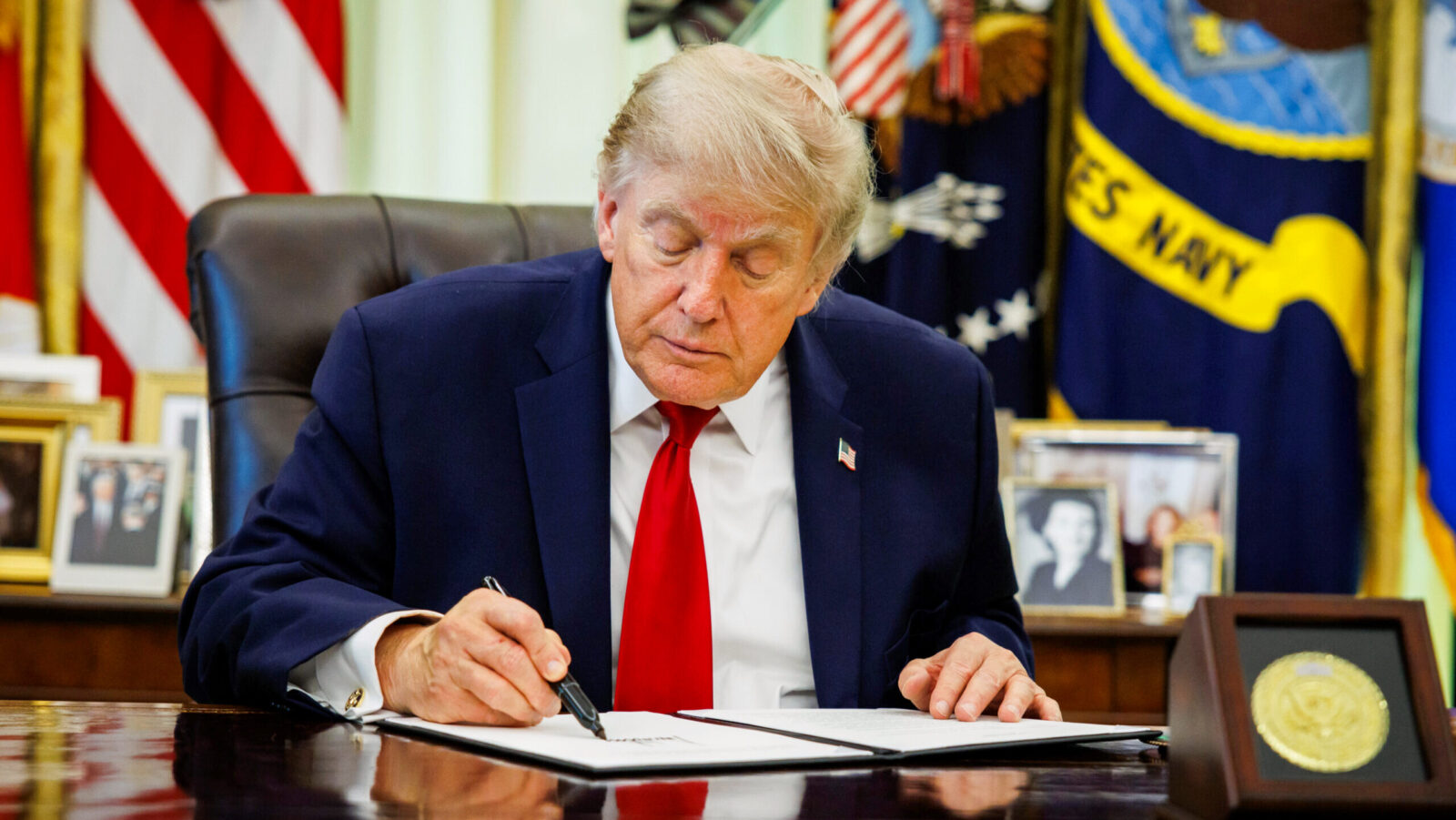
In a social media post, President Trump threatened companies Tuesday with 100% tariffs on imported generic drugs from August 2028, doubling to 200% one year later (months after the end of his second term) if they don’t “reshore” manufacturing to the US.
Who Pays the Bill?
The big names in pharma that produce patented drugs, like Johnson & Johnson and Eli Lilly, spend tens of billions of dollars every year on research and development in order to bring new treatments to market. They recoup these expenses during exclusivity windows when they can sell brand-name products at high profit margins without competition. Patented drugmakers have been highly responsive to tariff threats against their products, pledging to invest over $500 billion in US-based production and development in the coming years to win tariff exemptions.
Generic drugmakers operate in a different reality and have a very different outlook on “reshoring” production. Entering the market after patents expire, they’re pitted in tenacious price wars against rivals offering identical products. After a drug’s patent expires and generic manufacturers arrive, prices can fall by up to 70% in two years. This is why, while more than 90% of prescriptions filled in the US are for generic drugs, they account for less than 18% of total medication spending. It’s also why generic drugmakers have much thinner margins, leaving them more vulnerable to cost pressures and, so far, way less interested in “reshoring” to the US, where the costs of labor and manufacturing are higher than in China, Europe and India, where most generic manufacturers are based. “Where’s the incentive?” Richard Saynor, CEO of Switzerland-based generic drugmaker Sandoz, asked The Wall Street Journal last year. On Wednesday, another corporate leader said it’s US consumers who will end up paying:
- “If the tariff is increased, we will have to increase prices in the US,” Erez Israeli, who leads Hyderabad, India-based Dr. Reddy’s, told reporters, according to India’s Economic Times.
- The Global Trade Research Initiative, a New Delhi-based think tank, said Wednesday that many Indian generic drugs will remain cost-competitive even after 100% tariffs, and that additional costs will likely be passed on to US patients, insurers and healthcare providers.
Stock Pain: The market still sees a threat to business. Shares in Sandoz, which said it’s “too early” to assess Trump’s proposal, fell 4% Wednesday in US trading. India’s Lupin closed down 4.3%, and Reddy’s tumbled 9% in New York. At least, no matter what happens, executives have plenty of acetaminophen to go around.
Model Next Quarter Before Lunch

You have likely heard this big AI promise by now: It’s going to reshape how you work.
But that’s cold comfort when the board wants last quarter summarized and three revenue scenarios by end of day, and all your chatbot has done in response is write you a sonnet.
Finance AI specialist Nicolas Boucher has written a free handbook with Oracle NetSuite to help you get AI out of the pilot deck:
- Run prompts against your live financials, not a copy-pasted export.
- Turn a quarter’s numbers into a board-ready summary in one prompt.
- Swap one manual task for an AI workflow you keep within 30 days.
You’ll have those reports ready before the coffee gets cold.
Kalshi Bets Election Fever Will Drive Platform Growth
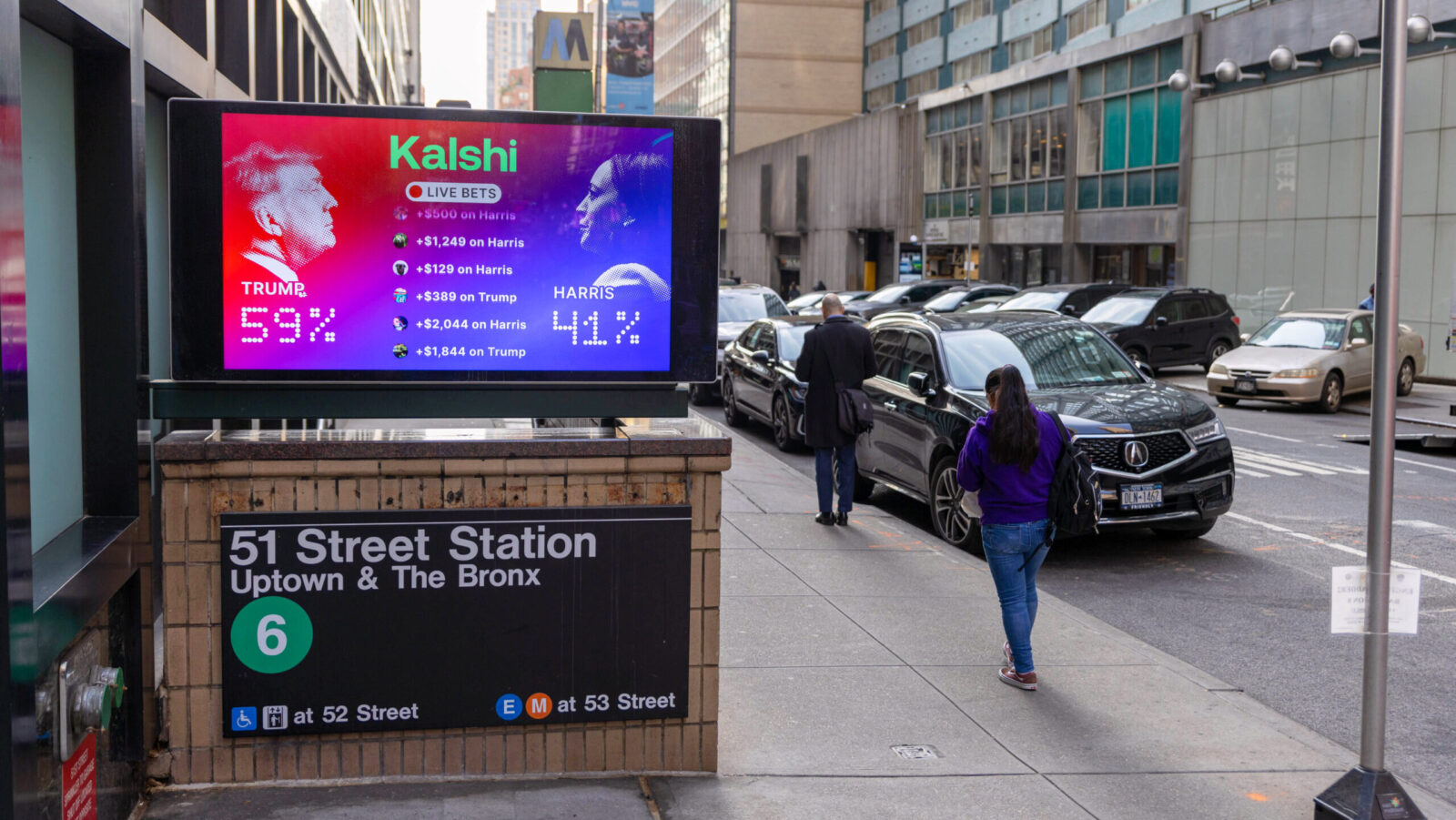
Fundamental to the idea of democracy is a belief in the wisdom of crowds. Kalshi believes the same principle applies to predicting electoral outcomes.
On Wednesday, the prediction market launched a central hub for contracts linked to this November’s midterm elections in the US. It’s a bet, or, scratch that, a prediction that political junkies will have the same fervor as sports fans, and that the political media may turn to the platform as a supplement to traditional polling to track the many parallel horse races.
Predictions of the People, by the People
To say that Kalshi is riding a hot hand is an understatement. The World Cup drew 3 million new users, the company told CNBC, and $1.2 billion was traded on contracts predicting the winner, setting a record for a single market. Estimates from analytics firm Ticker Tracker, made using publicly available data, say the company processed $40 billion in sports bets overall during the World Cup. The election hub, meanwhile, marks the latest attempt to cement Kalshi’s appeal outside of sports, even as some regulators try to impose limits on the unruly market:
- In May, the US Commodity Futures Trading Commission permitted the company to list perpetual futures contracts, which have no expiration date; the contracts were first tied to cryptocurrencies, and Kalshi is now seeking approval for contracts tied to precious metals. Kalshi this month also began allowing users to bet on the outcome of FDA trials.
- On the other hand, the CFTC last month proposed rules to prohibit trades on war, terrorism, assassination and illegal activity, as well as some easy-to-manipulate sports contracts (such as missed games and “unders”). Meanwhile, the state of Washington on Tuesday successfully blocked the platform from offering event contracts there after arguing that they amounted to an illegal sportsbook; Massachusetts, Michigan and Nevada have similarly won injunctions.
Mass Effect: Still, the trading may be somewhat beside the point for the election hub. Kalshi says 75% of platform visitors come simply to look at current odds, not to actually buy contracts. How much wisdom betting crowds possess is another question. One working paper from researchers at Yale University and London Business School argues that the accuracy of prediction market odds usually comes down to a small handful of skilled traders, roughly 3% of platform users, who push contract odds in the correct direction of the final outcome, while “the remaining majority does not produce accuracy; rather, it funds it.”