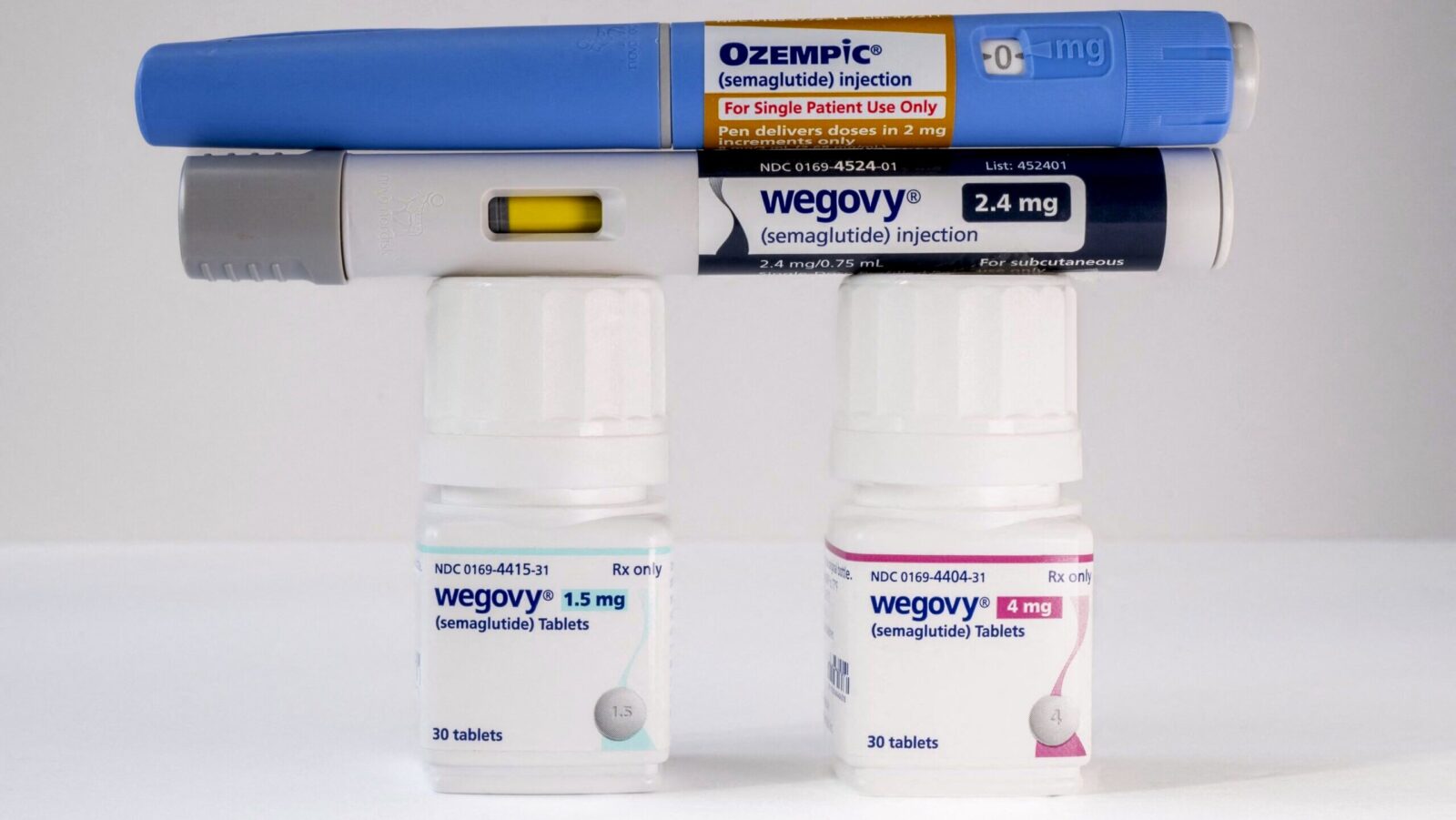
Trump’s 100% Tariffs on Generic Meds Threaten Headaches at Drugstore Checkouts
Generic drugmakers have much thinner margins, and are less interested in “reshoring” to the US where the costs are higher.
Sign up for smart news, insights, and analysis on the biggest financial stories of the day.
Will generic drugmakers bring manufacturing capacity to the US or will tariffs mean they’ll simply hike the cost of the generic ibuprofen in your bathroom cabinet, adding wallet-ache to headache? We should find out … in the next year or two.
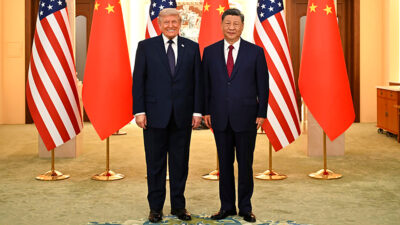
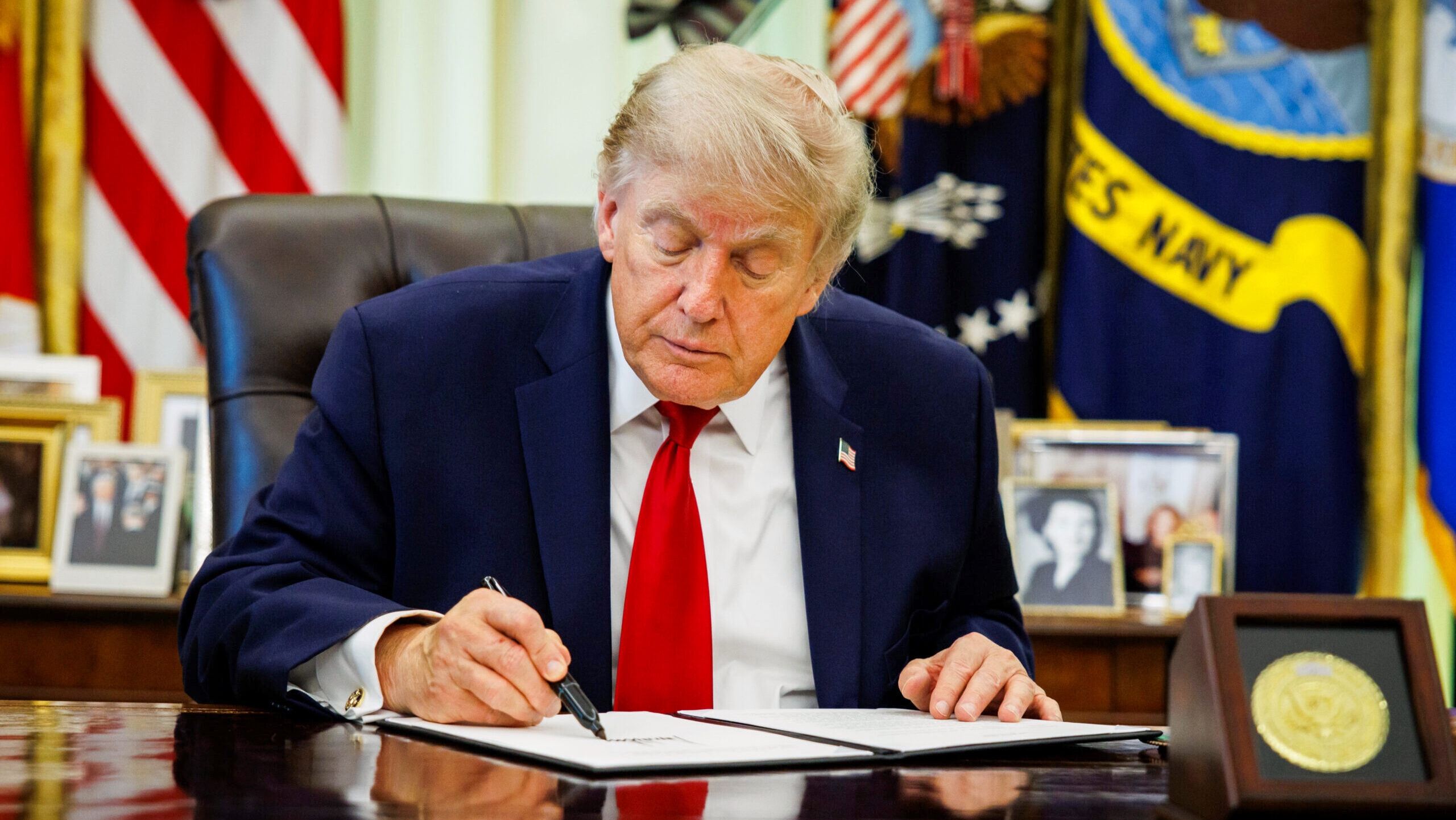
In a social media post, President Trump threatened companies Tuesday with 100% tariffs on imported generic drugs from August 2028, doubling to 200% one year later (months after the end of his second term) if they don’t “reshore” manufacturing to the US.
Who Pays the Bill?
The big names in pharma that produce patented drugs, like Johnson & Johnson and Eli Lilly, spend tens of billions of dollars every year on research and development in order to bring new treatments to market. They recoup these expenses during exclusivity windows when they can sell brand-name products at high profit margins without competition. Patented drugmakers have been highly responsive to tariff threats against their products, pledging to invest over $500 billion in US-based production and development in the coming years to win tariff exemptions.
Generic drugmakers operate in a different reality and have a very different outlook on “reshoring” production. Entering the market after patents expire, they’re pitted in tenacious price wars against rivals offering identical products. After a drug’s patent expires and generic manufacturers arrive, prices can fall by up to 70% in two years. This is why, while more than 90% of prescriptions filled in the US are for generic drugs, they account for less than 18% of total medication spending. It’s also why generic drugmakers have much thinner margins, leaving them more vulnerable to cost pressures and, so far, way less interested in “reshoring” to the US, where the costs of labor and manufacturing are higher than in China, Europe and India, where most generic manufacturers are based. “Where’s the incentive?” Richard Saynor, CEO of Switzerland-based generic drugmaker Sandoz, asked The Wall Street Journal last year. On Wednesday, another corporate leader said it’s US consumers who will end up paying:
- “If the tariff is increased, we will have to increase prices in the US,” Erez Israeli, who leads Hyderabad, India-based Dr. Reddy’s, told reporters, according to India’s Economic Times.
- The Global Trade Research Initiative, a New Delhi-based think tank, said Wednesday that many Indian generic drugs will remain cost-competitive even after 100% tariffs, and that additional costs will likely be passed on to US patients, insurers and healthcare providers.
Stock Pain: The market still sees a threat to business. Shares in Sandoz, which said it’s “too early” to assess Trump’s proposal, fell 4% Wednesday in US trading. India’s Lupin closed down 4.3%, and Reddy’s tumbled 9% in New York. At least, no matter what happens, executives have plenty of acetaminophen to go around.