Pentagon Blacklists Chinese Tech Giants, Setting Up Potential Restrictions
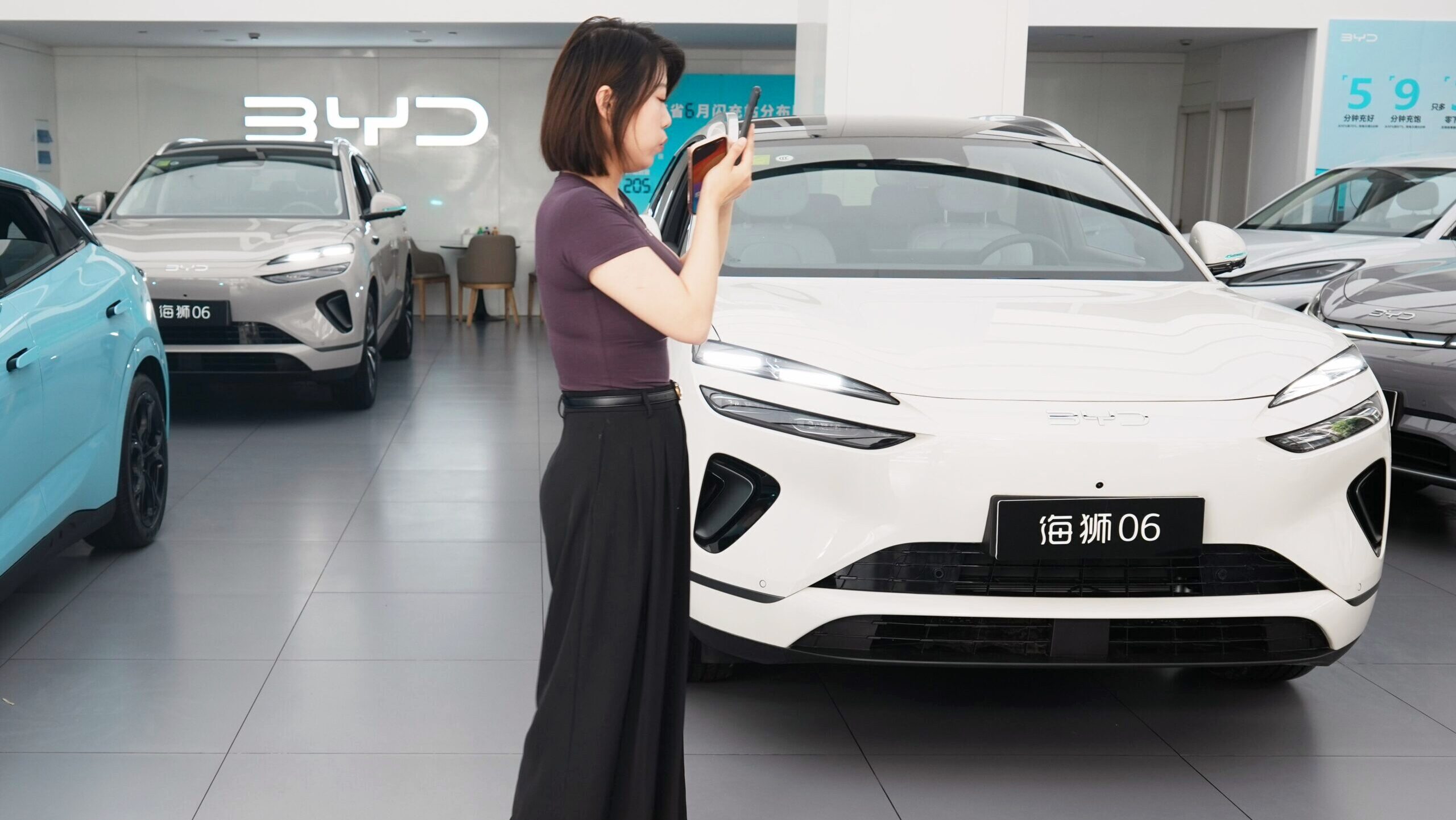
Headlining the list of companies that were added are e-commerce giant Alibaba, search giant Baidu, and BYD, the world’s top EV maker.
Sign up for smart news, insights, and analysis on the biggest financial stories of the day.

Since the start of the second Trump administration, the temperature of US-China relations has fluctuated more than the temperatures in the Gobi Desert. This week, things are frosty enough to keep a bowl of Baobing from melting.
The Pentagon accused many of China’s top technology companies of assisting their country’s military, essentially singling them out as a national security threat. The implications will become more complicated at the end of this month, and even more so in a year’s time.
New Rules
At the core of the issue is the Department of Defense’s Chinese Military Companies List. Set up in 2021 with the blessing of Congress, it identifies companies officials consider linked to Chinese military or security forces. The list grew this week with the Pentagon adding firms that are considered to offer industrial or technological benefits to the military.
Headlining the list of companies that were added are e-commerce giant Alibaba, search giant Baidu, and BYD, which leapfrogged Tesla to become the world’s largest electric vehicle manufacturer last year. All three insist their inclusion is baseless and deny being part of a strategy of military-civil fusion. Other newly listed firms are EV maker Nio, battery manufacturers CALB and EVE Energy, sensor manufacturer Robosense, and Unitree, another Tesla competitor that led Elon Musk’s company in humanoid robot shipments last year. There are no immediate repercussions for being on the list, but it risks reputational harm and the Pentagon has increasingly used the so-called 1260H designation to restrict companies from contracting with the US military or getting funding for research. Things will also soon change:
- Beginning June 30, the DoD will be officially barred from contracting directly with companies on the list. Many of the companies, unsurprisingly, have a major role in China’s AI economy, a sector where the US is focused on maintaining technological and military advantages.
- A year later, on June 30, 2027, the DoD will not be allowed to procure the products or services of companies on the list through third parties. That means US firms that have ties with companies on the list could risk their own federal contracts.
A Real Deal: Less than two weeks ago, US chipmaker Nvidia announced a partnership with Unitree, which is planning to IPO in Shanghai, to build humanoid robots to assist academic researchers. That’s an example of the kind of partnership that may fall under scrutiny, given Nvidia works with the Pentagon. Investor sentiment, however, is muted for now: Hong Kong-listed shares of Alibaba and BYD fell 1.4% Wednesday, while Baidu was flat. Market reaction may be limited for now because the ups and downs of US-China economic relations have generally eased after tense periods in the last year. After all, we went from each side threatening Shanghai Tower-sized tariffs on each other last summer to President Donald Trump recently praising his Chinese counterpart and Xi Jinping gifting him rose seeds for the White House garden.
Recent News
-

Photo illustration by Connor Lin / The Daily Upside, Photo via Chelsea Blair/Sipa USA/Newscom


-
Photo via Simon Shin / SOPA Images/Sipa USA/Newscom