Sign up for smart news, insights, and analysis on the biggest financial stories of the day.

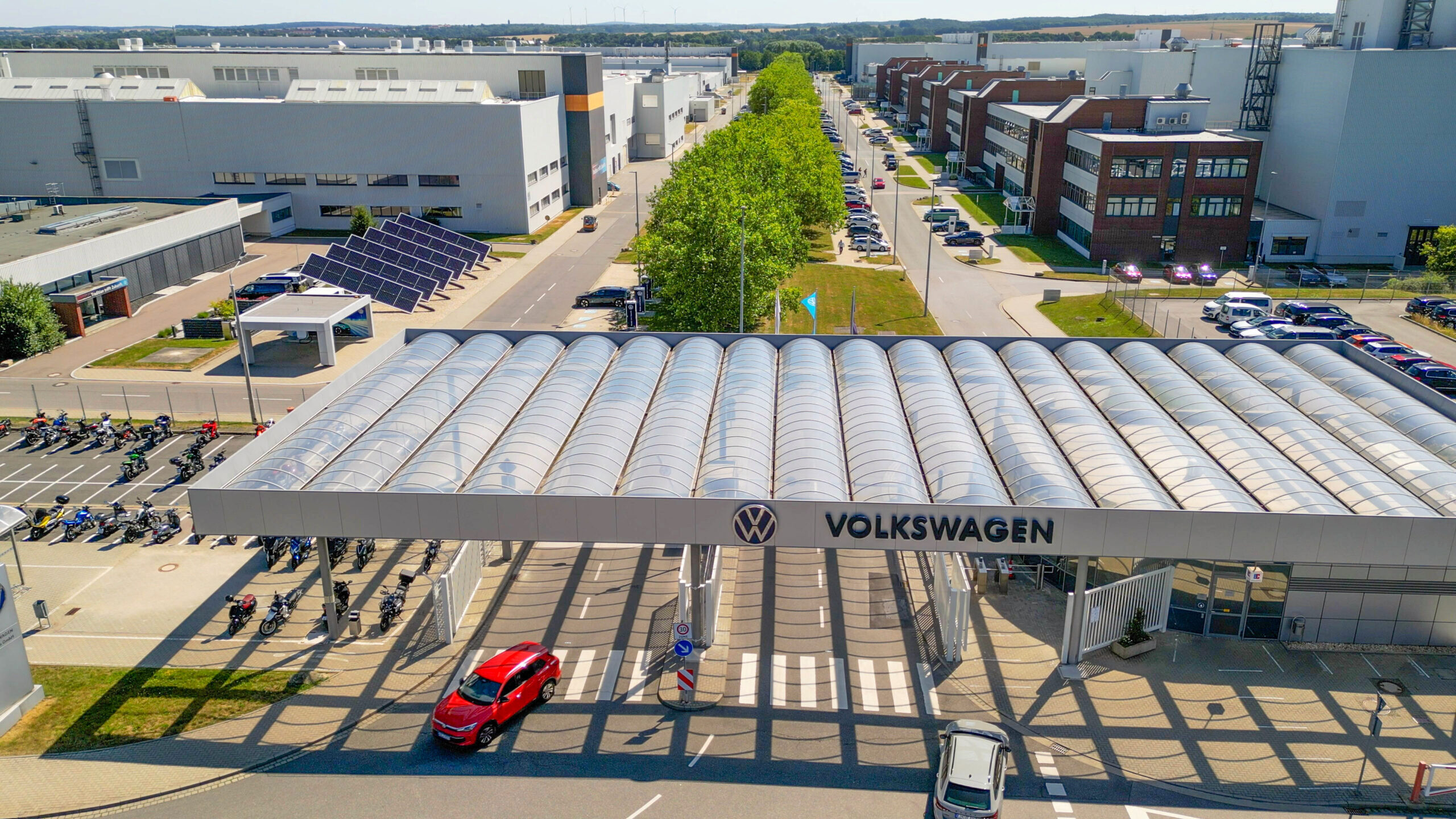
VfL Wolfsburg, the German soccer team that operates as a wholly owned subsidiary of carmaker Volkswagen, was relegated from the Bundesliga in May for the first time since being promoted to the country’s top-flight competition in 1997. It’s hard not to see the squad’s floundering performance as a tribute to its corporate parent.
On Monday, CEO Oliver Blume told staff that struggling VW could double existing plans to axe 50,000 jobs. The resulting 100,000 cuts would make for one of the most extraordinary downsizings in corporate history, underscoring the dire nature of the once-mighty carmaker’s quandary.
Desperate Zeiten, Desperate Measures
First, there’s China, VW’s biggest market. The company has been undercut there by the emergence of government-backed, domestic brands like BYD, which produce cheap, high-tech electric vehicles. In the second quarter, VW sold 2.1 million vehicles globally, an 8.6% year-over-year decline fueled by a 36% drop in Chinese sales.
Then there’s the problem of building at home. Germany’s auto sector was once an industrial powerhouse, but now it’s a really expensive endeavor, thanks to high wages and higher energy bills. Blume, in his memo, estimated VW has a roughly 20% cost disadvantage relative to peers. The company is also much less efficient: With a payroll of 680,000 workers, VW built about 9 million vehicles last year. Toyota, whose workforce of 390,000 is about 57% of VW’s, nonetheless built 2 million more cars.
Lastly, there’s the 25% US tariff on auto imports, which Blume estimates may slice $5.9 billion a year from VW’s operating profit. In fact, VW’s net profit fell 44% to $8 billion last year. With shares down more than 30% this year, something has to be done:
- Last year, VW pledged “massive” investments in the US, where its production sites include a sprawling Tennessee plant, in an effort to get around tariffs. VW has increased investments in robotics and automation.
- Blume said he can’t guarantee the continued operation of four German plants but would prefer finding an “intelligent solution” (like partnering with the defense industry) to closing them.
Cataloging Failures: A 100,000-worker layoff would not only be an automotive industry record but also top some of the largest corporate cutbacks in history. Citigroup axed nearly 75,000 roles during the 2008 financial crisis. General Motors parted with 47,000 staff in 2009, the year it declared bankruptcy, and department store chain Sears laid off 50,000 in 1993 when it closed more than 100 stores and discontinued its famous catalog.
Recent News



-
Re-Energized EV Market Grapples With Growing Drain on Profitability

Photo illustration by Connor Lin / The Daily Upside