Forget Eggs. Tomato Prices Swell as Inflation Hits Three-Year High
Prices for the fruits soared nearly 40% in April from a year ago, according to the latest figures from the Bureau of Labor Statistics.
Sign up for smart news, insights, and analysis on the biggest financial stories of the day.

You say “to-may-to,” I say “to-mah-to,” Kevin Warsh says “higher for longer?”
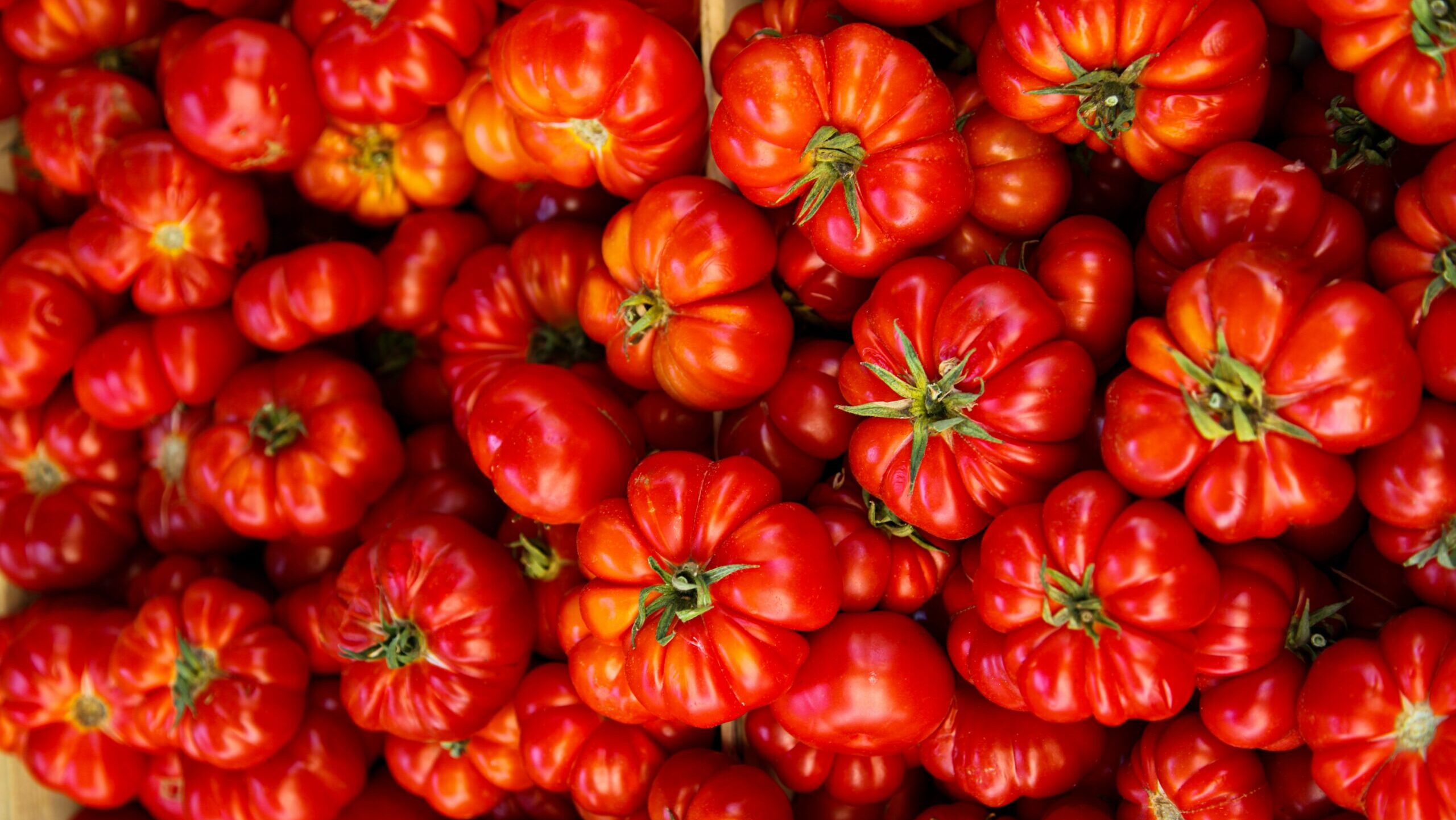
Tomatoes have become the new eggs, meaning orange is the new yellow when it comes to surging prices in the grocery aisle. Prices for the fruits (or vegetables — it’s not a debate we’re wading into here) soared nearly 40% in April from a year ago, according to the latest figures from the Bureau of Labor Statistics. Cold temperatures in Florida, poor weather and diseases in Mexico, where an estimated 70% of tomatoes we eat here in the US are grown, tariffs and the rising cost of jet fuel moving through the supply chain are to blame.
Inflation Figures and the Fed
If only foregoing a BLT and ketchup were all it took to bring down bills. Groceries aside, consumer prices overall jumped 3.8% last month from April 2025, the largest increase in nearly three years. Higher energy costs due to conflict in the Middle East are among the culprits, climbing 3.8% from the previous month and roughly 18% from a year ago. But if you eliminate volatile food and energy prices, it’s still a dreary picture for our wallets: The core consumer price index (CPI) jumped 2.8% in April compared with a year ago, an uptick from 2.6% in March.
“I’m looking for anything where I can say, ‘Here’s some relief,’ and that’s not very easy to do in this report,” Michael Reid, chief US economist at RBC Capital Markets, told The New York Times. “Generally, inflation is moving in the wrong direction.”
So what’s this all mean for the Federal Reserve, whose policymakers are closely watching inflation figures for hints about where interest rates should head next?
- Eric Winograd, chief US economist at AllianceBernstein, said he expects the higher prices will keep the Fed from cutting rates further for the time being, barring a “dramatic change in thinking” spurred by Warsh, who’s expected to become the new Fed chair. “I do not expect him to push for near-term rate cuts and expect the Fed to be on hold for the foreseeable future,” Winograd added.
- Skyler Weinand, chief investment officer at Regan Capital, said that the current inflation being driven by oil prices rather than broader economic pressure doesn’t change the fact that consumers are paying the prices. “As a result, we expect the Federal Reserve to be on hold through the summer on interest rates.”
Can of Worms: Meanwhile, manufacturers of tin cans that hold everything from beans to tuna to pineapples are getting hit by tariffs when they import the steel. The result? You guessed it: higher food prices.