What Is Inflation, Anyway? Prospective Fed Chief Wants to Redefine It
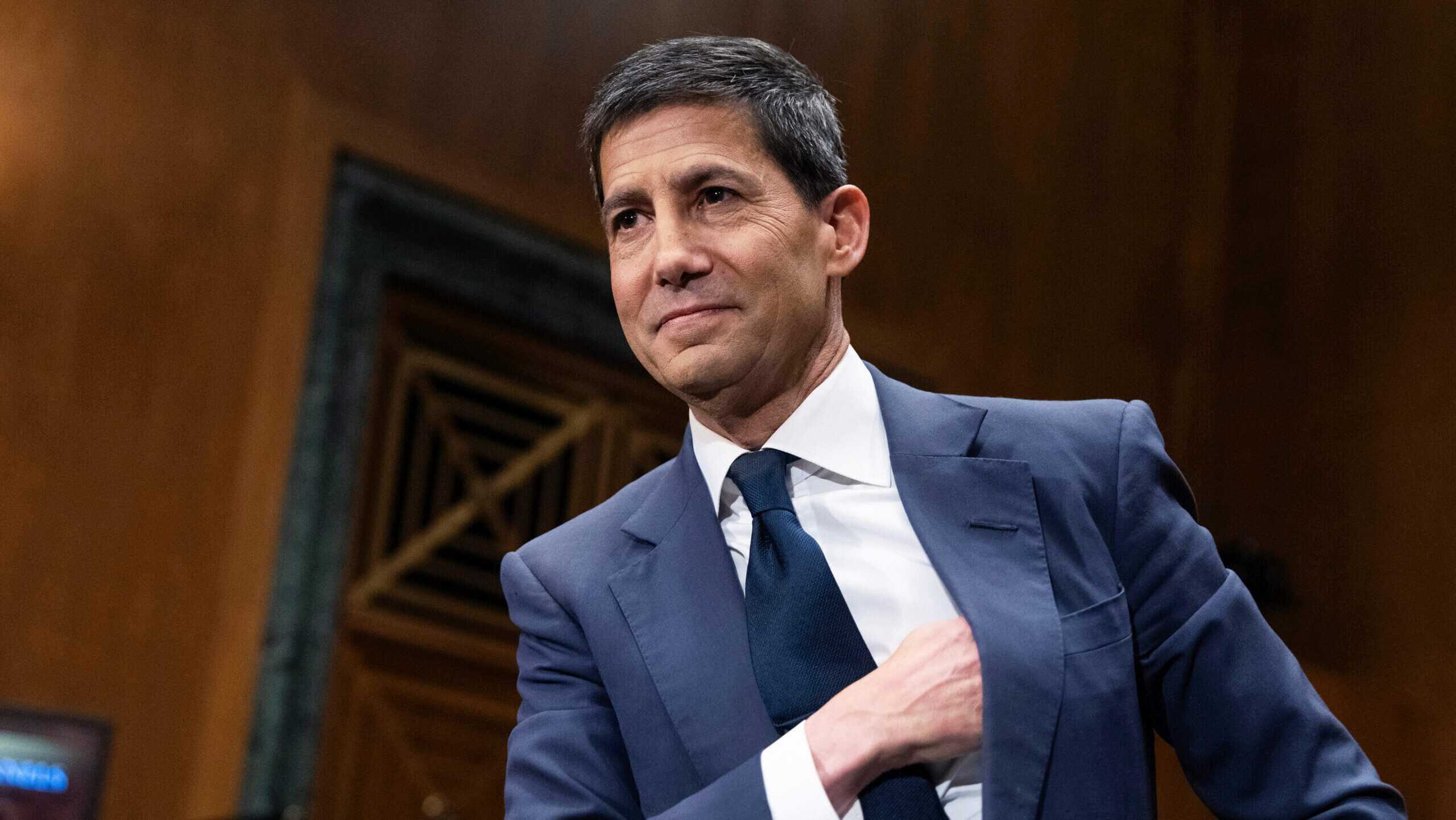
Kevin Warsh, President Trump’s nominee for Fed chair, wants to make big changes at the central bank. Will he succeed?
Sign up for smart news, insights, and analysis on the biggest financial stories of the day.

Kevin Warsh, President Donald Trump’s pick to succeed Jerome Powell as head of the Federal Reserve, is getting closer to confirmation. His nomination was cleared by the Senate Banking Committee in a 13-to-11 vote that stuck to party lines (Republicans supported Warsh for the job), and approval by the full Senate is expected this week.
But then comes the hard part: Will he be able to introduce new processes into a Fed that’s stuck in its ways? He has indicated a desire for big changes at the central bank, including a tighter focus on the Fed’s congressionally established responsibilities, and potentially reducing how much the Federal Open Market Committee (FOMC), which sets interest rates, lets the public into its thinking.
One major change he could bring about soon relates to how the Fed measures inflation, a highly influential factor in its two-pronged mission of maintaining economic stability and maximizing employment.
“The data that’s being used to judge inflation is quite imperfect,” he said during his confirmation hearing.
Pros and Cons
When the Bureau of Labor Statistics drops inflation data each month, it’s sharing the Consumer Price Index (CPI). Meanwhile, the Bureau of Economic Analysis reports the Personal Consumption Expenditures (PCE) data. Both indices include permanent price changes but also a whole lot of noise, which policymakers don’t necessarily want when deciding how to set interest rates. So the Fed also looks at core inflation, which excludes food and energy prices that can fluctuate sharply because of events such as droughts, floods and military conflicts.
Now, Warsh is calling for the central bank to consider “trimmed” mean inflation, which eliminates outliers by sorting the price changes of all items in an index from smallest to largest and removing the most extreme on both ends. There are pros and cons:
- Experts at Brookings say the first release of trimmed mean inflation can better measure inflation than core PCE (both are later revised) and be a better predictor of where inflation is going. It also offers more flexibility around removing volatile elements, since it’s not limited to food or energy.
- On the flip side, “trimmed mean and median inflation measures are unbiased only if the underlying price change distribution remains constant, for example, if prices at the bottom end of the distribution always fall more than prices at the top end of the distribution rise.” Of course, that’s not always the case. The measure would also exclude much of the impact of the president’s tariffs and the war in Iran, which do have a massive impact on the economy, markets and more. Plus, it’s changing the Fed’s goalpost, which doesn’t exactly help the central bank’s credibility.
Upcoming Test: Economists are likely to be looking for early insight into how Warsh’s preferred gauge might work this week. April CPI data comes out Tuesday.
Recent News

-

Photo illustration by Connor Lin / The Daily Upside




-
Photo illustration by Connor Lin / The Daily Upside




-
Photo illustration by Connor Lin / The Daily Upside, Photo by Feedough via iStock