How Kevin Warsh Could Reshape the Fed
During his confirmation hearing last week, Warsh hinted at an out-with-the-old-in-with-the-new approach to monetary policy.
Sign up for smart news, insights, and analysis on the biggest financial stories of the day.

Like David Bowie once did, Federal Reserve Chair nominee Kevin Warsh is calling for ch-ch-ch-ch-changes. Or maybe a Talking Heads “Burning Down the House” reference is more apt, depending on which Wall Street-er you’re talking to.
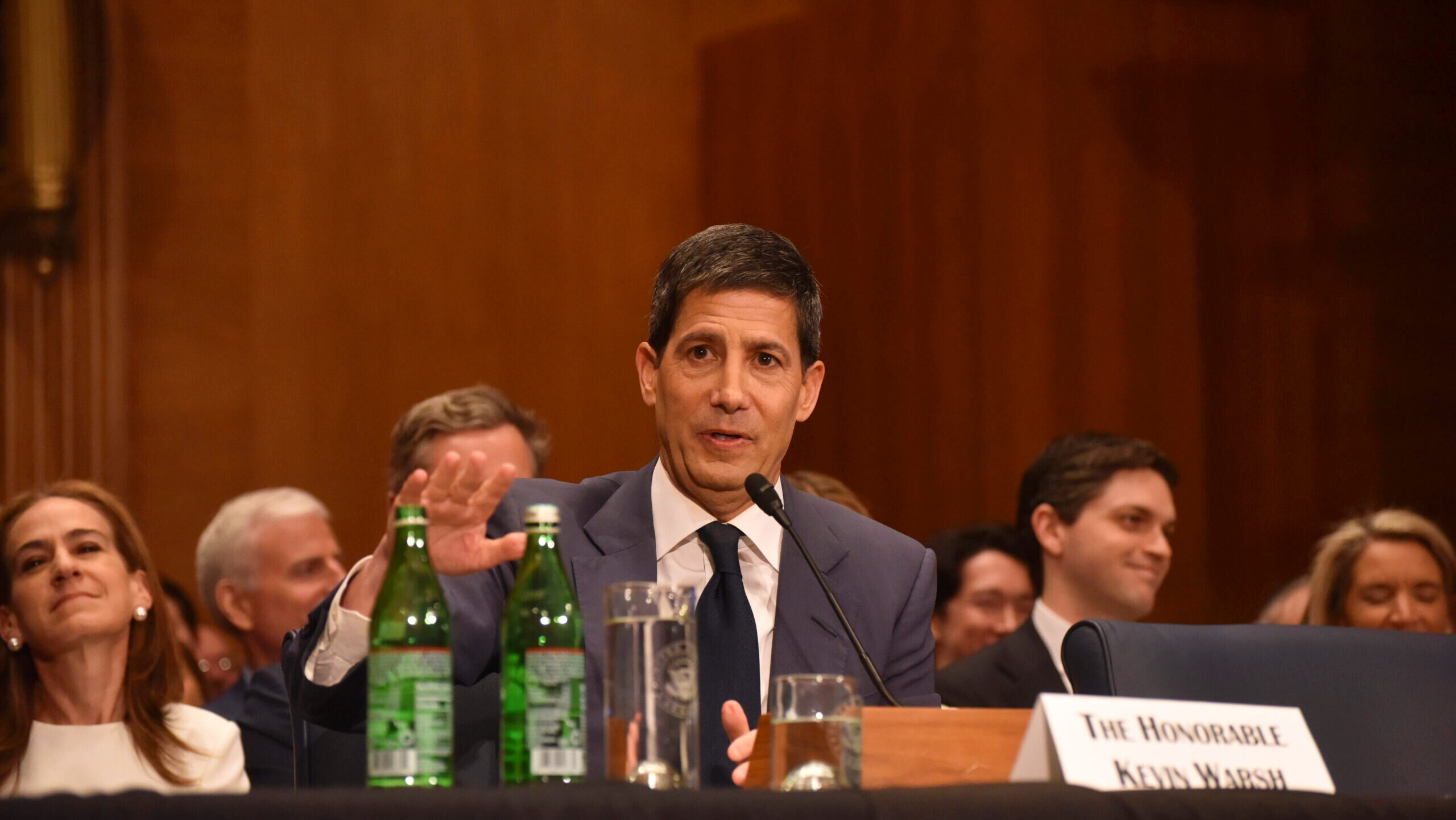
During Warsh’s confirmation hearing last week, President Donald Trump’s pick for the top job hinted at an out-with-the-old-in-with-the-new approach to monetary policy that would upend some long-standing architecture of the Fed’s decision-making. It hasn’t been an easy road. Warsh has faced grilling from lawmakers (Sen. Elizabeth Warren called him Trump’s “sock puppet”) over concerns of Fed independence. Warsh promised that Trump had never asked him to commit to cutting interest rates and that he would never agree to do so, though someone should probably tell the president that.
It seems likely Warsh will end up succeeding Jerome Powell, the current chair. A barrier was Republican Sen. Thom Tillis delaying the confirmation until the Department of Justice dropped a criminal investigation of Powell related to renovations of the Fed’s headquarters, which it did on Friday.
Tight Focus
Warsh, who worked closely with former Chair Ben Bernanke as a member of the Fed’s board of governors from 2006 to 2011, appears to want a narrow Fed mandate. When Republican Sen. Bill Hagerty asked about the Fed’s “mission creep,” pointing to climate change and diversity, equity and inclusion-related work from regional reserve banks, Warsh said the Fed should stick “to its knitting.”
He’s also said it’s time to reduce the Fed’s balance sheet, which has ballooned to $6.7 trillion as the central bank bought up mortgage-backed securities and Treasury bonds aggressively in the years following the Great Recession. Warsh has long been skeptical of quantitative easing, once calling it “reverse Robin Hood” in that it gave to the rich and took from the poor. That’s not the only change he’s hoping for:
- Bernanke and his successors, Janet Yellen and Powell, welcomed the public into the Fed’s thinking via post-meeting press conferences and forward-looking guidance. It’s a tradition Warsh didn’t explicitly say he would nix when asked, although he indicated he thinks his potential colleagues may talk too much.
- Warsh also favors replacing the Fed’s preferred measure of inflation, the core price index for personal consumption expenditures that excludes volatile food and energy prices. He wants to measure inflation by filtering out one-time price changes due to surprises like geopolitical events.
Reality Check: Whether Warsh would actually be able to get all this done if he takes Powell’s spot is unclear, as is how much it would help. Bank of America economist Aditya Bhave told CNBC, for instance, that Warsh’s proposal for using a new inflation gauge could mean minor spikes in inflation, such as those caused by food and energy price movements, sneak into the new reading and push inflation higher than it is in the current view.
Recent News




-

Photo illustration by Connor Lin / The Daily Upside, Photo by Feedough via iStock



-
Photo illustration by Connor Lin / The Daily Upside