Huawei’s Chip Plans: Ambitious or Unrealistic?
The Chinese company was blacklisted from receiving advanced semiconductor technology in 2019 over national-security concerns.
Sign up for smart news, insights, and analysis on the biggest financial stories of the day.

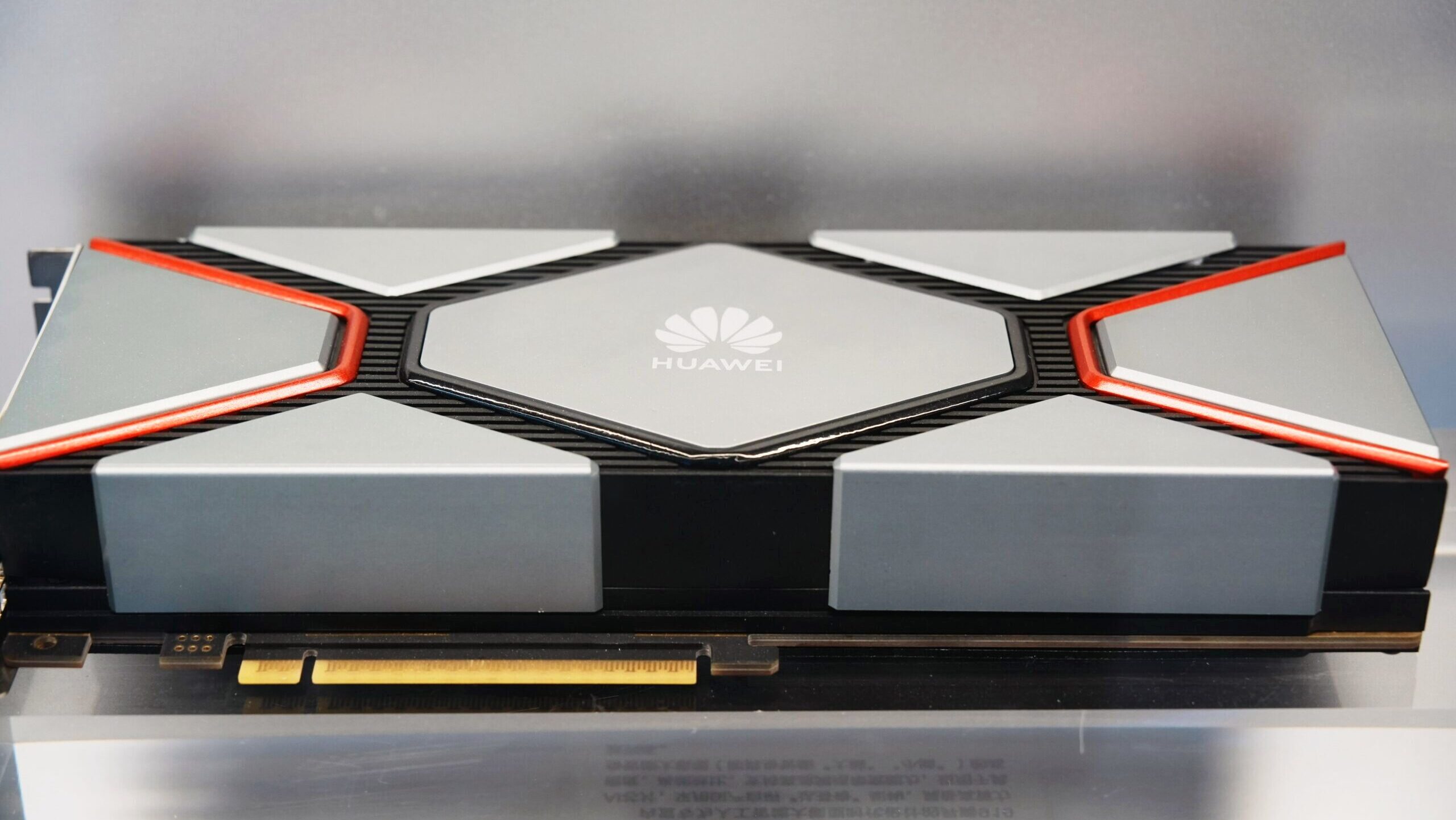
Even semiconductor chips seem to be on GLP-1s now, with Huawei announcing Monday that it’ll launch an ultra-thin 1.4-nanometer chip by 2031 using new “LogicFolding” tech. Huawei plans to first use LogicFolding — a process of folding and stacking circuits to shorten chips’ wiring — to make its Kirin smartphone chips this fall.
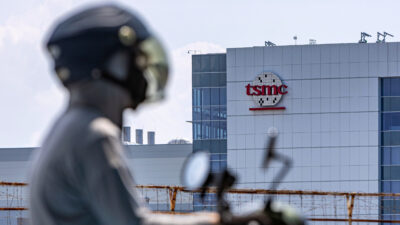
In the semiconductor world, thinner means more powerful. Currently, China’s most advanced chipmaking abilities are believed to yield 7-nanometer chips. Taiwan’s TSMC, the leader in chip manufacturing, makes 2-nanometer chips with a plan for 1.4-nanometer chips in 2028.
The Chip Queen Ditches Moore’s Law
Huawei’s He Tingbo, who’s known in tech circles as the “chip queen,” is leading Huawei’s semiconductor biz through a stage it describes as “extreme survival mode.” The Chinese company was blacklisted from receiving advanced semiconductor technology in 2019 due to national security concerns. That left an Nvidia-sized hole for Huawei to fill, but it also left Huawei without much of the tech it needs to make advanced semiconductors, including key lithography equipment.
He thinks Huawei can compete on a global scale despite the restrictions:
- During a “semiconductor symposium” in Shanghai on Monday, He talked about the Tau Scaling Law. It’s Huawei’s answer to Moore’s Law, which claims the number of transistors in a microchip will double every two years while costs halve. Nvidia CEO Jensen Huang is known for saying semiconductor development is outpacing the doubling timeline of Moore’s Law.
- The Tau Scaling Law dispenses with the measure of progress that Moore’s Law sets altogether. Instead of doubling the number of transistors, the Law of Tao basically measures data transmission speed. Focusing on improving this metric with LogicFolding could help Huawei improve chips without relying on the latest lithography equipment.
Wait and See: Stacked designs, like the ones made by LogicFolding, can make chips hotter. Keeping chips cool is a major cost for tech companies (and why data centers use so much water). That’s all to say there are hurdles ahead for Huawei. Concerning Huawei’s 2031 timeline, Chris Miller, author of “Chip War: The Fight for the World’s Most Critical Technology,” told The Daily Upside, “We shouldn’t believe it until we see it.”