Retail Earnings Likely to Spotlight Inflation’s Bruising Grip on Low-Income Consumers
The reading on the University of Michigan’s consumer sentiment survey has recently plummeted to near all-time lows.
Sign up for smart news, insights, and analysis on the biggest financial stories of the day.

Someone call the chiropractor: There’s a K-shaped kink in the backbone of the economy, and retail therapy isn’t helping.
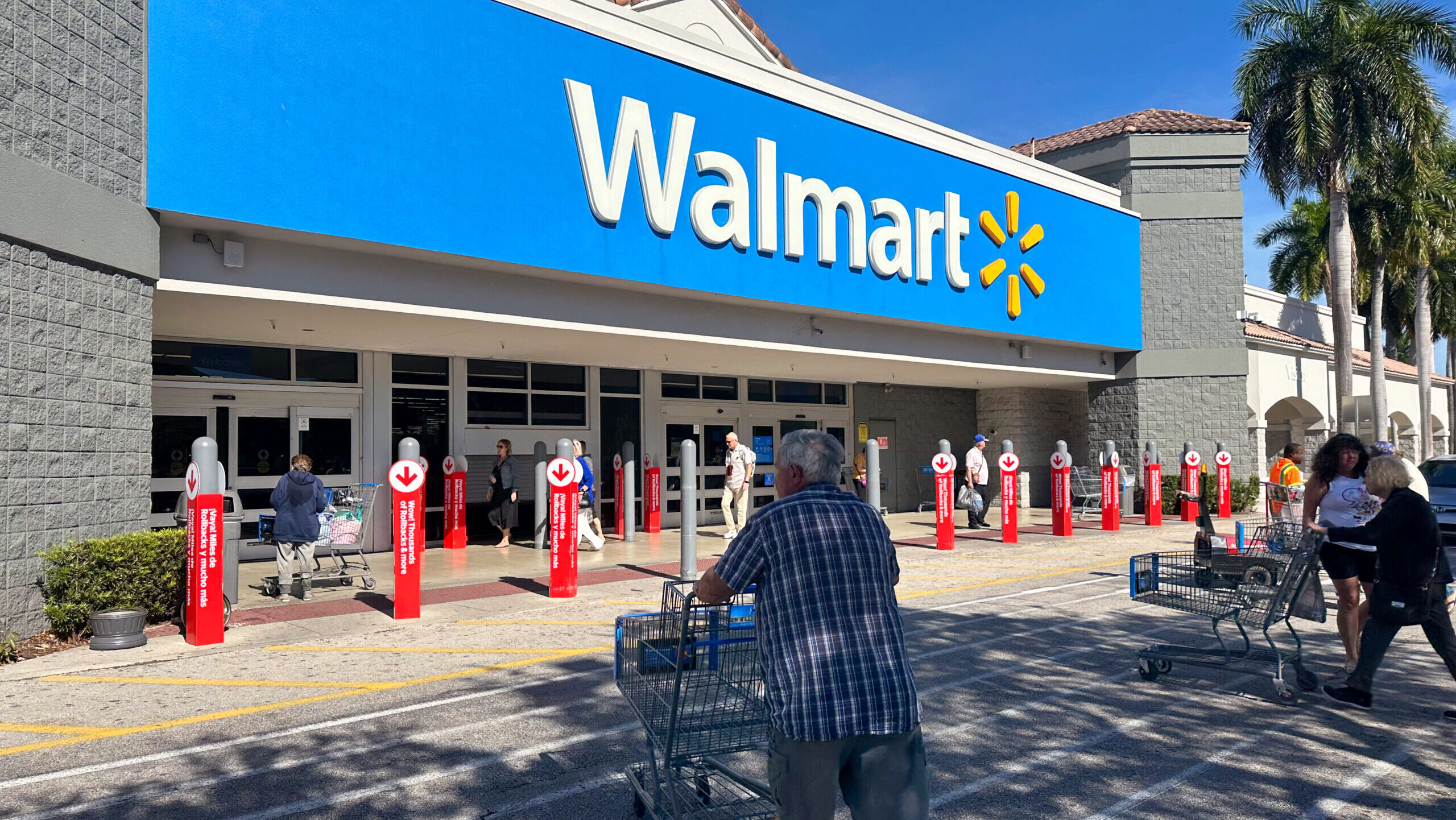
Expect symptoms of the dual-track economy to appear in a plethora of earnings calls from retail giants this week, including Home Depot today, Target tomorrow and Walmart on Thursday. Complicating matters further? The supply chain shock from the closure of the Strait of Hormuz is already showing up in consumer spending habits.
The New K-Mart
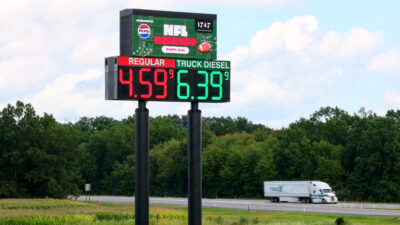
Signs of consumer distress are practically omnipresent these days. The University of Michigan’s consumer sentiment survey has recently plummeted to near all-time lows, even below the dizzying early days of the Covid-19 pandemic. And last week delivered a bleak warning to the retail giants’ strip mall neighbor, when McDonald’s CEO Chris Kempczinski admitted that the consumer environment is “certainly not improving.” Kempczinski flagged fast-rising gas prices as the “core issue” facing lower-income consumers, who are disappearing from the chain’s customer base. Domino’s CEO Russell Weiner echoed the sentiment in the pizza company’s earnings report in late April, and Whirlpool CEO Marc Bitzer warned last week of “recession-level” industry decline for big-ticket items like dishwashers.
It’s why this week’s gamut of retail earnings may be just as significant a macroeconomic indicator as the next quarterly update from AI king Nvidia on Wednesday. And, for now, any sign of consumer resilience can just as easily be interpreted as the continued entrenchment of the K-shaped economy:
- US retail sales in April, for instance, advanced for the third consecutive month, according to a Commerce Department report last week; however, the 0.5% gain was not adjusted for inflation (CPI rose 0.6% month-over-month in April) and may reflect larger tax refunds to higher-earning consumers.
- The Federal Reserve Bank of New York last week also said that US credit card debt in the first quarter had ticked down from a record high at the end of last year … but did cop to “weakness in lower-income households” appearing in delinquency rates.
Abel-Day Parade: This is not all bad for retail players. JPMorgan analysts raised their price outlook for Target in a research note last week, calling tax stimulus an effective buoy for any consumer slowdown. Jefferies analyst Corey Tarlowe, meanwhile, upped his price target for Walmart, which continues to benefit from upper-K shoppers downshifting to the more budget-friendly store. In another seal of approval for big box retail, Greg Abel’s new-look Berkshire Hathaway revealed in filings on Monday that it bought 3 million shares of Macy’s, worth about $60 million, though the move may have been a bullish play on the retailer’s considerable real estate holdings.