Labor Department Reports Inflation at 4.2% in May, and Energy’s Not the Only Problem
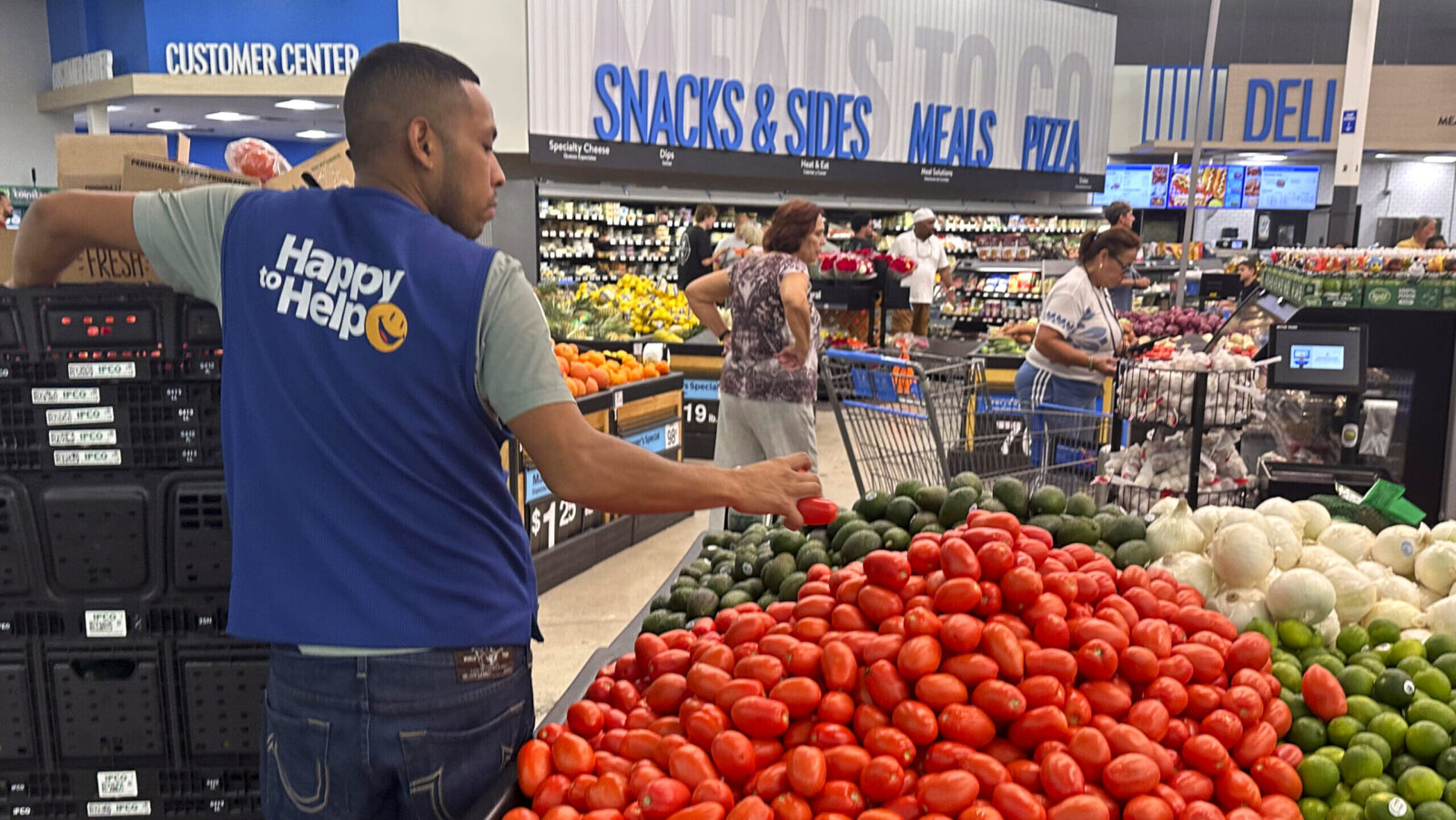
Labor-intensive services such as gardening, home healthcare and day care and preschool were all significant drivers of inflation.

Sign up for smart news, insights, and analysis on the biggest financial stories of the day.

As summer approaches, the consumer price index is unfortunately trending in the same direction as the thermometer. Annualized inflation accelerated to 4.2% in May, the Labor Department said Wednesday, quite a bit hotter than April’s 3.8% reading.
Obviously, rising energy prices stemming from the war in Iran are a pain in the gas. But analysts note there are other inflationary forces that could outlast the conflict.
Taking an Unplanned Hike
First, energy accounted for more than 60% of the monthly CPI increase, officials said. Gas prices alone rose 40.5% year-over-year, which you know all too well from your uncle’s rants in the family group chat. Core CPI, which strips out volatile energy and food prices, rose at an annualized 2.9% pace, up from 2.8% in April. While not as hot, that remains too much for the Federal Reserve’s 2% target (the central bank’s preferred inflation barometer is the Personal Consumption Expenditures Price Index, which tends to come in roughly a quarter point less than CPI; it will next be updated on June 25).
Already, there is concern this is putting the Fed’s 2026 policymaking roadmap in jeopardy. Markets overwhelmingly expect the interest rate-setting Federal Open Market Committee will hold rates when it meets next week. But traders are now pricing in a 46% chance of a rate hike by October and a 62% chance by December, according to the CME FedWatch tool. That’s a stark change from the beginning of the year, before the U.S.-Iran war, when markets expected a year of dovish rate cuts. “The stock market has been climbing a wall of worry and has been able to rally on stronger earnings and stable interest rates, but a rising rate environment is another thing altogether,” said Northlight Asset Management chief investment officer Chris Zaccarelli. Even if the Iran conflict ends, allowing energy markets to begin to normalize and curb inflation, there’s another major factor driving costs:
- “The biggest area of ongoing concern for inflation is the continued upward pressure on prices from labor-intensive services,” said Bill Adams, chief economist at Fifth Third Commercial Bank. “This includes gardening and lawncare [up 10.8% year-over-year], home healthcare [up 7.9%], nursing home and adult day services [up 4.6%], and day care and preschool [up 3.5%].”
- “The industries providing these services are feeling outsize effects from tighter immigration policies,” he added. “These prices will likely keep rising faster than other costs in household budgets.”
The US saw net negative migration for the first time in half a century last year and, on Wednesday, President Trump signed a $70 billion bill to fund the enforcement agencies leading his administration’s crackdown on immigration until the end of his term.
Losing Its Mettle: Gold, normally a resilient hedge against inflation, fell 4.5% Wednesday to $4,072.16 per ounce and is down roughly 20% since the war in Iran began. Until yesterday, it hadn’t been below $4,200 since December. In this case, inflation risks are working against the precious metal’s value because higher rates drive down the appeal of non-yielding assets compared to US Treasury notes.
Recent News




-

Photo illustration by Connor Lin / The Daily Upside