Why European, Especially German, Automakers are Going on Defense, Literally
With the German car industry mired in structural disarray, the pivot to the thriving defense sector has fast become a sign of the times.
Sign up for smart news, insights, and analysis on the biggest financial stories of the day.

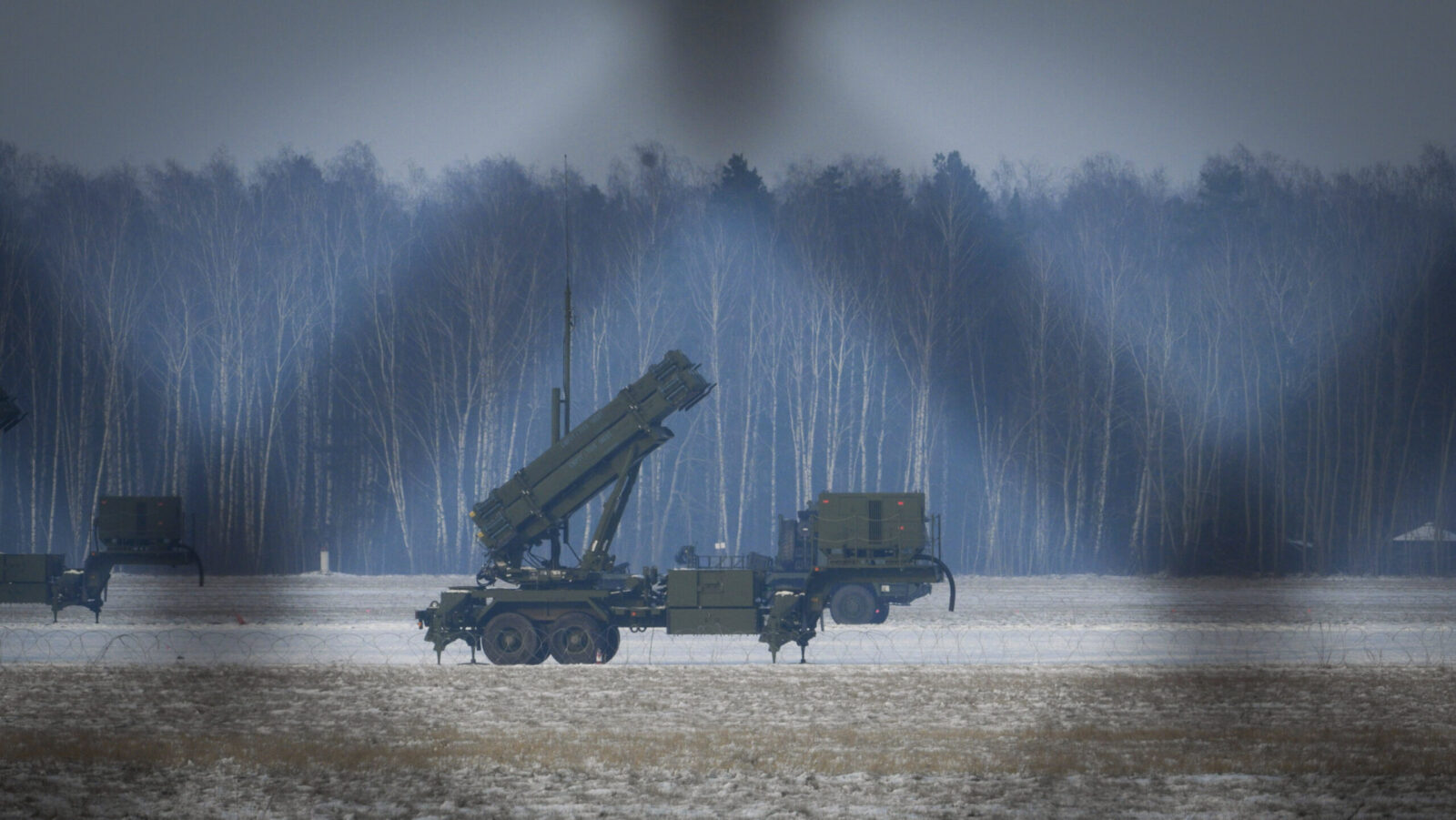
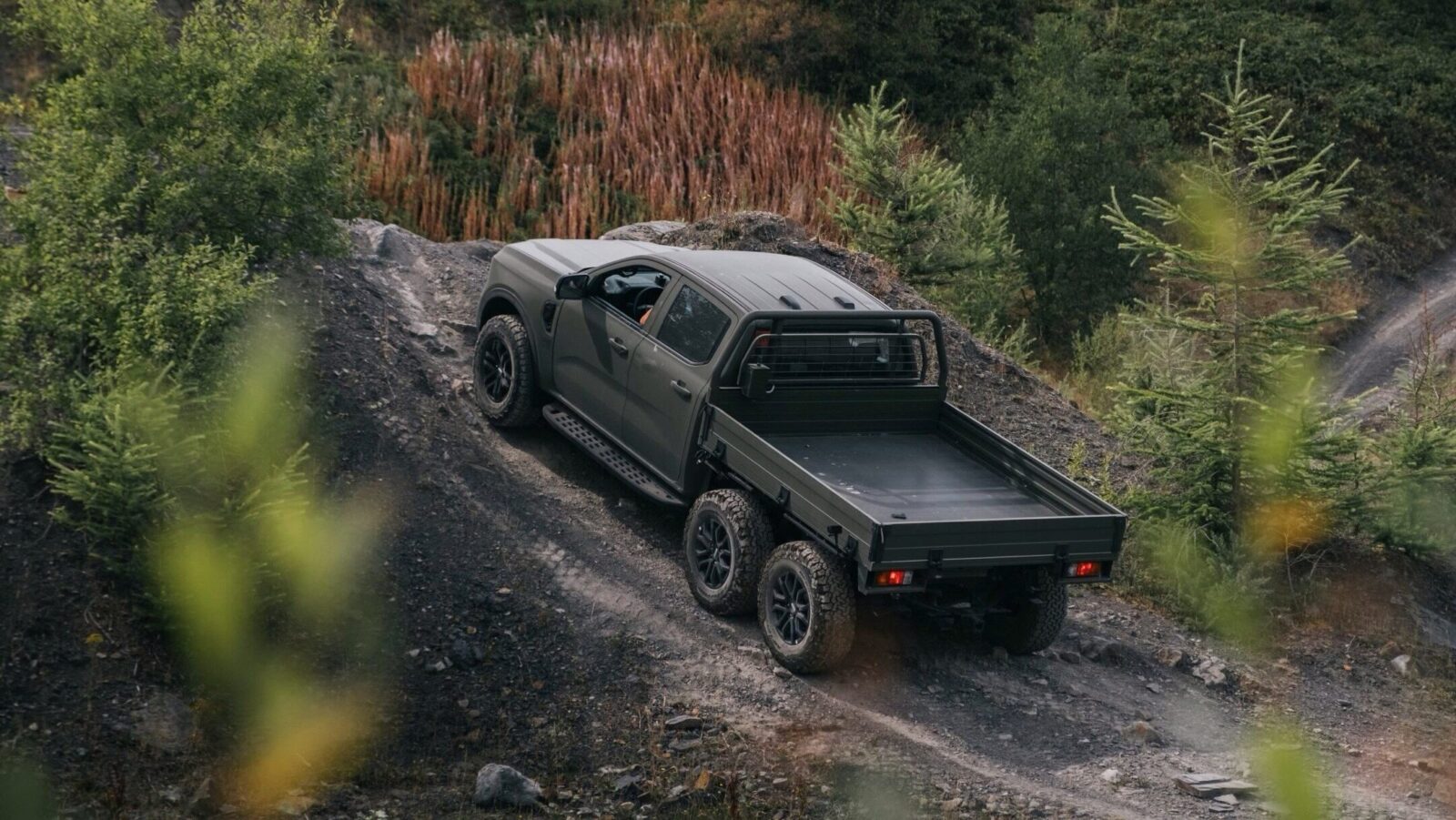
The best defense is a partnership with the defense industry. Last week, German auto giant Mercedes-Benz inked a partnership with Munich-based startup Tytan Technologies to make vehicles for a mobile air-defense system to take out small drones.
With the German car industry mired in structural disarray, the pivot to the thriving defense sector has fast become a sign of the times.
Follow the Money
“The entire German automotive industry is undergoing a profound structural transformation: the loss of foreign markets, expensive overcapacities, high software investments, and a slow ramp-up of electromobility are all weighing on earnings,” says Constantin Gall, a managing partner at EY, which documented a worrying slump in company margins earlier this month.
EY analysts found profits at the three major German carmakers — Volkswagen Group, Mercedes-Benz Group, and BMW — declined 23% in the first quarter. US manufacturers, focused on higher-end models and relatively insulated from Trump administration tariffs, increased their profits by 83%. The average margin of the German automakers fell year-on-year from 5.7% to 4.6%, which is down dramatically from 13.2% in the first quarter of 2022. At home, Germany’s big three are also fending off ambitious Chinese carmakers. In the first four months of the year, Chinese firms accounted for roughly 6% of EU car registrations, close to double their 3.2% market share a year earlier, according to the European Automobile Manufacturers’ Association.
Small wonder German and European automakers are looking to the booming defense industry to deploy their manufacturing capacity. The Stockholm International Peace Research Institute estimates combined defense spending among the 29 European NATO members rose to $559 billion in 2025, with German spending rising 24% to $114 billion. And so in roll the carmakers:
- In 2024, German auto supplier Continental partnered with tank maker Rheinmetall to retrain skilled workers for the defense industry. Volkswagen is in talks to let Israeli missile producer Rafael take over one of its plants, while tank manufacturer KNDS has expressed interest in a Mercedes plant. Porsche SE, the holding company of VW’s founding families, invested €100 million ($116 million) in a defense fund last year.
- The trend’s not limited to Germany, either: In January, French automaker Renault partnered with defense group Turgis Gaillard to manufacture aerial drones for France’s armed forces and said it was developing a ground-based drone in partnership with Belgian firm John Cockerill.
Leaving Breadcrumbs: Mercedes-Benz has supplied the Bundeswehr, Germany’s armed forces, with vans and trucks since the 1950s, including a multi-year, €1.3 billion order for up to 5,800 of its G-Class off-road vehicles placed in 2024. The joint system from Mercedes and Tytan, however, marks a deeper step into defense tech and manufacturing, which CEO Ola Källenius hinted could be “a growing niche” in an interview with the Wall Street Journal last month.
Recent News
-
Musk’s Boring Company Scores $23 Billion Valuation Despite Slow Progress

Photo via The Boring Company/X