Bond Markets Throw Shade on New Fed Chair’s Inflation Strategy as Interest Rates Hold Steady
The yield on 30-year Treasury bonds hit the highest in 19 years after Warsh spoke following the Fed decision to hold interest rates.
Sign up for smart news, insights, and analysis on the biggest financial stories of the day.
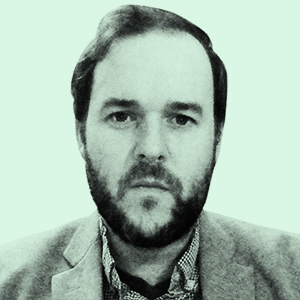
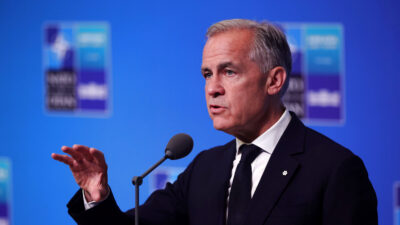
Federal Reserve Chair Kevin Warsh pledged Wednesday that the central bank is “going to deliver 2% inflation and not a whisper more,” citing the Fed’s long-held target.
Bond markets gave him some side-eye. The yield on 30-year Treasury bonds hit the highest level in 19 years on Wednesday, following Warsh’s comments after the Fed held its benchmark interest rate at 3.5% to 3.75%, suggesting traders aren’t confident the new chair is ready to raise rates to tame inflation.
‘Play the Ball, Not the Referee’
Warsh emphasized his goal of reducing the amount of forward guidance the Fed offers. He prefers markets act more independently of the central bank, which he says will give policymakers a “direct and unfiltered” view of the US economy. “Market participants are learning to play the ball, not the referee, and market prices will continue to respond in the direction and magnitude they see fit,” Warsh declared. “This is, in my view, a change for the better.”
After his remarks, the 30-year breakeven, a key bond market measure of inflation expectations, rose the most in a single day since November 2024. Torsten Slok, chief economist at Apollo, said the lack of guidance was contributing to volatility, sending yields “up and down like a yo-yo.”
Many believe the Fed still has wiggle room in dealing with inflation. While the PCE index, the Fed’s preferred gauge, rose 4% year over year in May, more recent data have indicated cooling. The US Bureau of Economic Analysis is scheduled to release June PCE data today. Additionally, labor and economic growth have remained solid amid economic uncertainty, which some economists believe supports the central bank’s holding pattern:
- “While inflation remains elevated, we believe a cooling labor market and the limited effectiveness of monetary policy against supply-driven inflation pressures will make additional rate hikes difficult this year,” said Vanguard senior economist Adam Schickling.
- “The most important uncertainty facing markets today isn’t Fed messaging; it’s the combination of geopolitical risks and the long-term economic impact of AI,” he added.
Hawks Behind the Hold: Three regional Fed presidents, who serve on the monetary policy committee along with the central bank’s governors, broke ranks and voted for a rate hike Wednesday, the most officials to dissent in one direction in a decade. “Not only do they represent other Federal Reserve governors who also think rates should be going up at this stage of the game, but they could also represent members of the board of governors not wanting to undermine Kevin Warsh,” KPMG chief economist Diane Swonk said, adding those others could vote for a hike in September. KPMG expects two before the end of the year.
Recent News
-
Post-Pandemic, ‘Living at the Office’ Takes on New (and Lucrative) Meaning

Photo illustration by Connor Lin / The Daily Upside





-

Photo illustration by Connor Lin / The Daily Upside