The White House, Again, Says the Iran War Will Soon End as the US Stakes a Bigger Claim in Global Energy Exports
Experts, officials, and executives have warned that, even if the US and Iran patch things up, oil markets will take until 2027 to normalize.
Sign up for smart news, insights, and analysis on the biggest financial stories of the day.

Another week, another White House declaration that the US and Iran are ready to broker a truce. If your coffee tastes spiked with déjà vu this morning, it’s because you’ve drunk this exact vintage before.
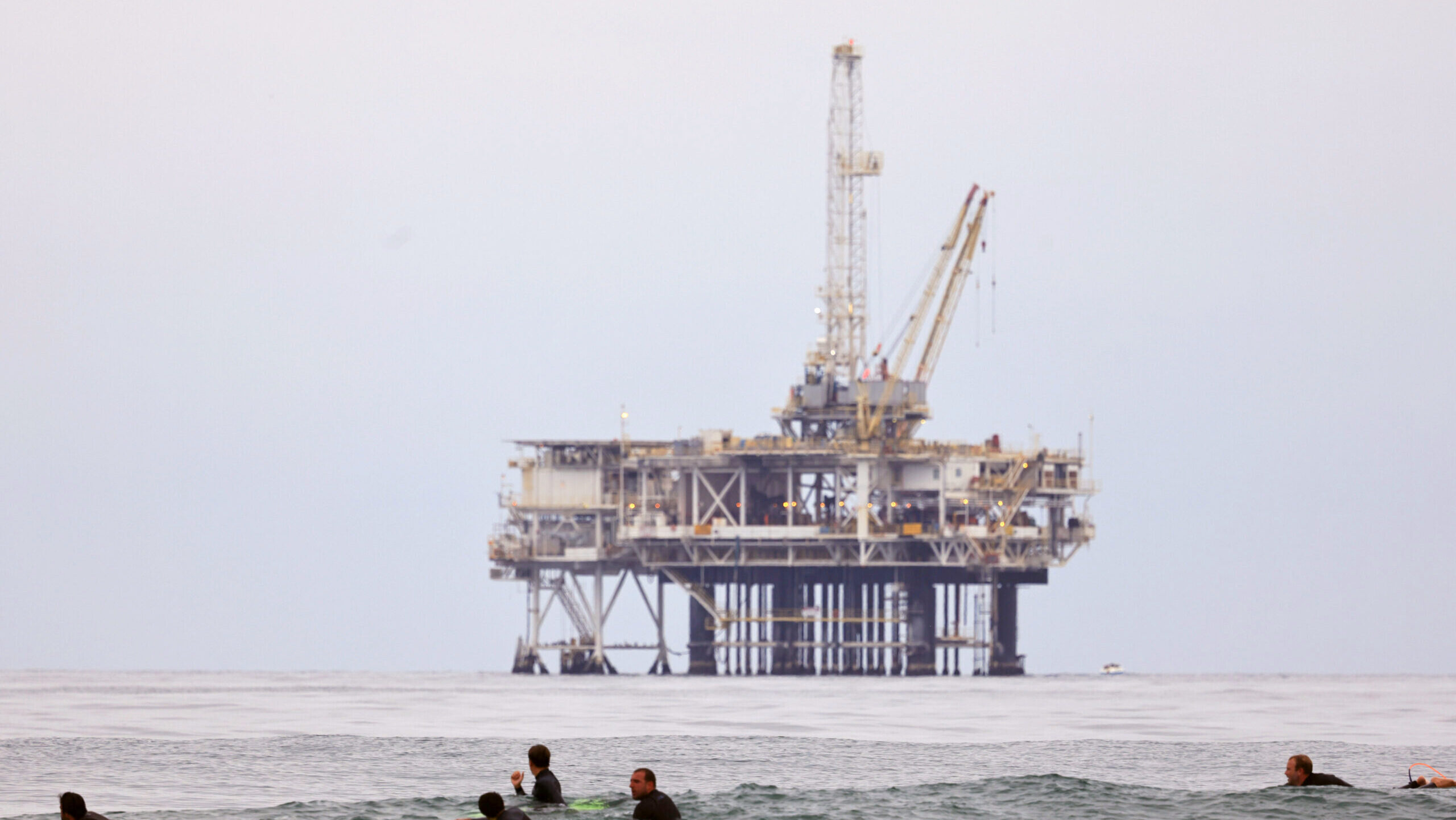
President Donald Trump on Thursday claimed the US has “made a great settlement of the war with Iran” that will end the conflict that’s roiled energy markets and stoked inflation since February. The S&P 500, Nasdaq and Dow surged, closing up 1.7%, 2.5% and 1.8%, respectively. Brent crude, the international oil benchmark, fell 4.2% to $89.21 per barrel. Iran’s foreign ministry on Friday pushed back against the notion that a deal is imminent, but the country’s semi-official Mehr news agency said a memorandum that would suspend US sanctions on Iranian oil and reopen of the Strait of Hormuz, while giving both sides 60 days to hammer out a final agreement, is in the draft stages. Whether or not this latest purported deal comes to pass, new evidence suggests the future US role in global energy markets could be significantly transformed.
Main Street Hits a Wall
Brent remains well above its $70 price before the war in late February, as does the $4.12 per gallon price of gas in the US, up from $2.98. This has been miserable for Main Street, with consumers reporting unprecedented levels of pessimism and dealing with 4.2% inflation, according to the latest consumer price index (CPI). Fifth Third Commercial Bank chief US economist Bill Adams noted businesses may be feeling pressure, too, as they appear to be absorbing “higher input costs in narrower margins” because they may “think consumers are unwilling or unable to absorb further cost increases.”
Wall Street, on the other hand, has been comparatively sanguine, betting the Iran war will end without significant escalation. Adapting to the risk has unleashed a bullish equities run, bolstered by a strong earnings season, with the major indices setting new closing milestones earlier this month (jitters have emerged this week around the AI investment boom as SpaceX lists today).
Experts, officials, and executives have all warned that, even if the US and Iran patch things up, oil markets will take until next year to normalize, which could prolong the pain on Main Street. On the upside, there is evidence the US could exit the conflict in an emboldened position on energy markets:
- According to ship tracking data from Vortexa cited by Reuters, the US has led the world in crude and fuel exports for three months, most recently shipping 10.5 million barrels per day in May, compared to 7 million exported from Russia and 5.9 million from Saudi Arabia. Russian exports have declined because of sanctions over its invasion of Ukraine, while Saudi business has been disrupted by the US-Iran war.
- The US also saw liquefied natural gas and liquefied petroleum gas exports to India triple in May, making it the largest supplier of both to the world’s most populous country, according to Kpler data noted by CNBC.
Too Exposed? After seeing what’s happened to nations that were too reliant on one energy source in the wake of the Ukraine and Iran conflicts, policymakers may be averse to putting all their eggs in the US basket. For example, regulators for the import-reliant EU, writing about LNG imports in May, cautioned that the bloc’s “reliance on U.S. LNG [which makes up 58% of imports] may raise questions of dependency on a single supplying country.”
Recent News






-

Photo illustration by Connor Lin / The Daily Upside